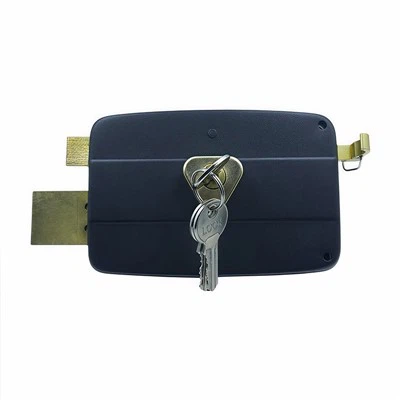
When it comes to securing your wooden doors, understanding the security level of wooden door locks is of utmost importance. As a seasoned supplier of wooden door locks, I've witnessed firsthand the diverse needs of customers and the varying security requirements across different settings. In this blog post, I'll delve into the factors that determine the security level of wooden door locks, explore different types of locks, and provide insights to help you make an informed decision for your security needs.
Factors Determining the Security Level of Wooden Door Locks
Lock Construction and Material
The construction and material of a wooden door lock play a crucial role in its security level. High - quality locks are typically made from durable materials such as stainless steel, brass, or hardened steel. These materials are resistant to corrosion, wear, and physical attacks. For example, a lock with a solid brass body is not only aesthetically pleasing but also provides excellent strength and longevity. The internal components, such as the pins, tumblers, and springs, should also be made from high - grade materials to ensure smooth operation and resistance to picking and bumping.
Lock Design and Mechanism
The design and mechanism of the lock are also significant factors. Deadbolts are generally considered more secure than spring - latch locks. A deadbolt extends deeply into the door frame, providing a strong barrier against forced entry. Single - cylinder deadbolts are operated with a key on the outside and a thumbturn on the inside, while double - cylinder deadbolts require a key on both sides. Double - cylinder deadbolts offer enhanced security but can pose a safety risk in case of an emergency, as quick exit may be difficult.
Another important design aspect is the number of locking points. Multi - point locking systems, which engage at multiple locations along the door, significantly increase the security level. These systems are commonly used in high - security applications such as commercial buildings and high - end residential properties.
Key Control
Key control is an often - overlooked but essential aspect of lock security. A good lock should have a complex keyway design that is difficult to duplicate. High - security locks may use patented key systems that require special authorization to obtain duplicate keys. This helps prevent unauthorized key duplication, reducing the risk of someone gaining access to your property without your knowledge.
Types of Wooden Door Locks and Their Security Levels
Deadbolts
As mentioned earlier, deadbolts are one of the most secure types of wooden door locks. They are available in different grades, with Grade 1 being the highest and most secure. Grade 1 deadbolts are designed for commercial use and can withstand significant force and repeated attacks. Grade 2 deadbolts are suitable for most residential applications and offer a good balance between security and cost. Grade 3 deadbolts are the least secure but are still better than spring - latch locks.
Shed Lock
Shed locks are designed specifically for sheds and other outdoor storage buildings. They are typically made from heavy - duty materials to withstand the elements and provide basic security. Some shed locks are padlocks, which can be easily removed and replaced. Others are built - in locks that are installed directly on the shed door. While shed locks may not offer the same level of security as high - end residential or commercial locks, they are sufficient for protecting tools and other items stored in sheds.
Push Bar Lock
Push bar locks, also known as panic bars, are commonly used in commercial buildings to ensure quick and easy exit in case of an emergency. These locks are designed to be operated by pushing a bar, which releases the lock. While their primary function is safety, they also provide a certain level of security. Push bar locks can be equipped with deadbolts or other locking mechanisms to enhance security when the building is closed.
Privacy Lock
Privacy locks are typically used in bedrooms, bathrooms, and other areas where privacy is desired. They are usually operated with a thumbturn on both sides of the door and do not require a key. While privacy locks are not designed to provide high - level security, they can prevent accidental entry and offer a basic level of privacy.
Assessing the Security Needs for Different Settings
Residential Properties
For residential properties, the security level of wooden door locks depends on several factors, including the location of the property, the crime rate in the area, and the value of the belongings inside. In low - crime areas, a Grade 2 deadbolt may be sufficient for the front door, while privacy locks can be used for interior doors. In high - crime areas or for properties with high - value items, a Grade 1 deadbolt or a multi - point locking system may be necessary.


Commercial Properties
Commercial properties have higher security requirements due to the presence of employees, customers, and valuable assets. In addition to high - quality deadbolts and multi - point locking systems, commercial buildings may also require access control systems, such as card readers or biometric scanners. Push bar locks are also essential for ensuring the safety of occupants in case of an emergency.
Outdoor Structures
Outdoor structures such as sheds and garages require locks that can withstand the elements and provide basic security. Shed Lock s made from heavy - duty materials are a good choice for these applications. It's also important to ensure that the lock is installed properly to prevent easy removal.
Tips for Choosing the Right Wooden Door Lock
Consider Your Security Needs
Before choosing a wooden door lock, assess your security needs based on the factors mentioned above. Consider the location of the door, the type of property, and the level of security required.
Look for Quality and Certification
Choose locks from reputable manufacturers that meet industry standards. Look for locks that are certified by organizations such as the American National Standards Institute (ANSI) or the Builders Hardware Manufacturers Association (BHMA). These certifications ensure that the lock has been tested and meets certain security and performance standards.
Installation Matters
Proper installation is crucial for the security of a wooden door lock. Make sure the lock is installed correctly by a professional or follow the manufacturer's installation instructions carefully. A poorly installed lock can significantly reduce its security level.
Conclusion
The security level of wooden door locks is determined by various factors, including lock construction, design, and key control. Different types of locks offer different levels of security, and it's important to choose the right lock based on your specific needs. As a wooden door lock supplier, I'm committed to providing high - quality locks that meet the diverse security requirements of our customers. Whether you're looking for a basic privacy lock or a high - end multi - point locking system, we have the expertise and products to help you secure your property.
If you're interested in learning more about our wooden door locks or have specific security needs, I encourage you to reach out to us for a consultation. We can provide detailed information about our products, offer expert advice, and assist you in making the best choice for your security needs. Let's work together to ensure the safety and security of your property.
References
- American National Standards Institute (ANSI). (Year). Standards for door locks and hardware.
- Builders Hardware Manufacturers Association (BHMA). (Year). Performance standards for door locks.
- Lock Industry Standards and Training (LIST). (Year). Guide to lock security.