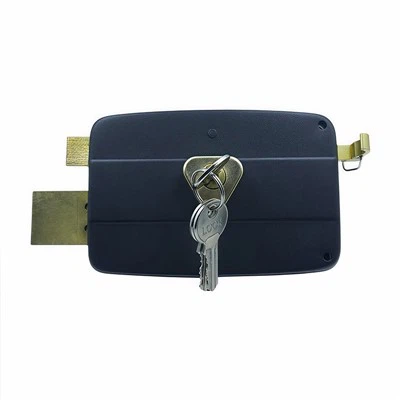
Hey there! As a supplier of quarter turn latches, I've seen firsthand how important it is to get that alignment right during installation. A misaligned quarter turn latch can lead to all sorts of issues, like doors not closing properly or latches that are difficult to operate. So, let's dive into how you can align a quarter turn latch during installation.
First off, let's understand what a quarter turn latch is and why alignment matters. A quarter turn latch is a simple yet effective locking mechanism that secures doors, cabinets, and other enclosures. It works by turning a handle or knob a quarter turn to either lock or unlock the latch. When the latch is properly aligned, it slides smoothly into the striker plate, providing a secure hold. But if it's misaligned, it can bind, preventing the door from closing fully or the latch from engaging correctly.
Pre - installation Checks
Before you start the installation process, it's crucial to do a few checks. First, make sure you have all the necessary tools. You'll typically need a drill, screwdriver, measuring tape, and maybe a pencil or marker for marking. Next, examine the latch and the striker plate. Look for any defects or damage that could affect alignment. If you notice anything wrong, it's a good idea to get a replacement part before you start.


Take a look at the door and the frame where the latch will be installed. Check for any warping or damage. A warped door or frame can make it extremely difficult to align the latch properly. If you find any issues, you may need to address them first, such as using shims to straighten a door or fixing a damaged section of the frame.
Marking the Installation Points
Now that you've done your checks, it's time to mark the installation points. Start by placing the latch on the edge of the door where you want it to be installed. Make sure it's centered and level. You can use a measuring tape to ensure accurate placement. Once you're satisfied with the position, use a pencil or marker to mark the screw holes on the door.
Do the same for the striker plate on the door frame. Place the striker plate in the corresponding position so that when the door is closed, the latch will engage with it. Mark the screw holes on the frame as well. Double - check your measurements to make sure everything lines up correctly.
Drilling the Holes
After marking the installation points, it's time to drill the holes. Use the appropriate drill bit size for the screws that came with your quarter turn latch. Start by drilling pilot holes in the marked spots on the door and the frame. Pilot holes help prevent the wood from splitting when you insert the screws.
When drilling, go slowly and keep the drill perpendicular to the surface to ensure straight holes. If you're drilling into a metal door or frame, you may need to use a different type of drill bit and apply some lubricant to reduce friction.
Initial Installation of the Latch and Striker Plate
Once the holes are drilled, it's time to install the latch and the striker plate. Start with the latch on the door. Insert the screws into the holes and tighten them using a screwdriver. But don't fully tighten them just yet. Leave them a bit loose so that you can make adjustments later.
Next, install the striker plate on the frame. Again, insert the screws and leave them slightly loose. At this point, close the door to see how the latch aligns with the striker plate. You may notice that it's not lining up perfectly, which is normal at this stage.
Adjusting the Alignment
This is the most critical step in the process. If the latch is not aligning with the striker plate, there are a few ways to make adjustments. If the latch is hitting the striker plate too high or too low, you can loosen the screws on the latch and move it up or down slightly. Then tighten the screws and check the alignment again.
If the latch is off to one side, you can do the same thing with the striker plate. Loosen the screws on the striker plate and move it horizontally until the latch aligns properly. Keep closing and opening the door to test the alignment after each adjustment.
Fine - Tuning
Once you have a rough alignment, it's time for some fine - tuning. You can use a small file or sandpaper to gently shape the edges of the latch or the striker plate if there are any minor rubbing points. This will help the latch slide more smoothly into the striker plate.
Also, make sure that the latch handle or knob turns easily. If it feels stiff, it could be a sign of misalignment. Keep making small adjustments until the latch operates smoothly and provides a secure lock.
Troubleshooting Common Alignment Issues
Sometimes, you may encounter some common alignment issues. For example, if the door is sagging, it can cause the latch to misalign. In this case, you may need to adjust the door hinges. Loosen the hinge screws on the door or the frame slightly and use a shim to raise or lower the door as needed. Then retighten the screws and check the alignment of the latch.
Another issue could be a misaligned striker plate due to a previous installation or damage. If this is the case, you may need to remove the striker plate and start the marking and installation process over again.
Related Products
If you're interested in other locking solutions, you might want to check out our Self Locking Door options. These are great for adding an extra layer of security to your doors. Also, our Hotel Locks are designed for high - traffic areas and provide excellent security. And if you need something for outdoor use, our Outdoor Lock range is built to withstand the elements.
Conclusion
Aligning a quarter turn latch during installation may seem like a daunting task, but with the right approach and a bit of patience, you can get it right. Remember to do your pre - installation checks, mark the installation points accurately, and make careful adjustments. If you run into any issues, don't hesitate to reach out for help.
As a quarter turn latch supplier, we're committed to providing high - quality products and support. Whether you're a DIY enthusiast or a professional contractor, we have the latches you need. If you're interested in purchasing our quarter turn latches or have any questions about installation, don't hesitate to contact us for a procurement discussion.
References
- General knowledge on door hardware installation
- Experience from years of supplying quarter turn latches and observing installation processes.