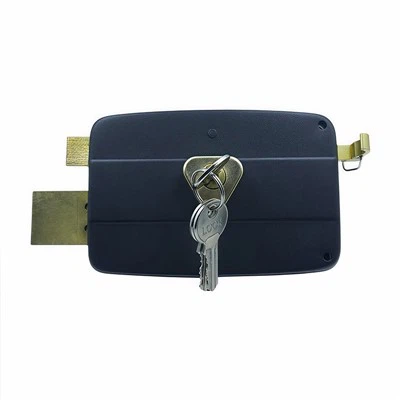
As a supplier of Push Bar Locks, I've seen firsthand the importance of securing these locks against forced entry. Whether it's for a commercial building, a public facility, or even a residential property, a reliable push bar lock can be a crucial line of defense. In this blog, I'll share some practical tips on how to make your push bar lock more secure.
Understanding the Basics of Push Bar Locks
Before we dive into the security measures, let's quickly go over what a push bar lock is. A push bar lock, also known as a panic bar or crash bar, is a type of door hardware that allows people to exit a building quickly by simply pushing on the bar. It's commonly used in areas where a large number of people gather, like theaters, schools, and office buildings. You can find a wide range of push bar locks on Push Bar Lock.
Choose a High - Quality Push Bar Lock
The first step in securing your push bar lock is to start with a good product. Not all push bar locks are created equal. Cheaper locks may be made of inferior materials that can easily be forced open. Look for locks that are made of strong metals like stainless steel or brass. These materials are resistant to corrosion and can withstand a fair amount of force.


When selecting a push bar lock, also consider its certifications. For example, locks that meet ANSI (American National Standards Institute) standards are generally more reliable and durable. These standards ensure that the lock has been tested for things like strength, durability, and functionality.
Proper Installation
Even the best push bar lock won't work effectively if it's not installed correctly. Here are some installation tips to keep in mind:
- Follow the Manufacturer's Instructions: Every push bar lock comes with a set of installation instructions. Make sure to read and follow them carefully. Incorrect installation can compromise the lock's security and functionality.
- Use the Right Tools: Using the appropriate tools during installation is crucial. For example, using a power drill with the correct drill bits will ensure that the holes are drilled accurately and the lock is properly attached to the door.
- Check the Alignment: The push bar should be properly aligned with the strike plate on the door frame. If it's not aligned correctly, the lock may not engage properly, making it easier for someone to force open the door.
Reinforce the Door
The door itself plays a big role in the security of the push bar lock. A weak door can be easily kicked in or pried open. Here are some ways to reinforce your door:
- Upgrade the Door Material: If you have a hollow - core door, consider replacing it with a solid - core door. Solid - core doors are much stronger and more resistant to forced entry.
- Install Door Reinforcement Plates: These plates can be added to the strike plate area of the door frame. They provide extra support and make it more difficult for someone to break the door frame and gain access. You can also install long - lasting hinges that are more resistant to being forced off.
Add Additional Security Features
In addition to the push bar lock, there are other security features you can add to enhance the security of your door:
- Deadbolts: Installing a deadbolt above or below the push bar lock can significantly increase security. Deadbolts are more difficult to pick or force open compared to the latch mechanism on the push bar lock. You can find suitable deadbolts for your doors on House Locks.
- Security Cameras: Placing security cameras near the door can act as a deterrent. Potential intruders are less likely to attempt a forced entry if they know they're being watched.
- Alarm Systems: Connecting your push bar lock to an alarm system can alert you and the authorities if someone tries to force the door open.
Maintain the Push Bar Lock Regularly
Regular maintenance is essential to keep your push bar lock in good working condition. Here are some maintenance tips:
- Lubricate the Moving Parts: Over time, the moving parts of the push bar lock can become dry and stiff. Lubricating them regularly with a silicone - based lubricant will ensure smooth operation.
- Check for Damage: Inspect the lock regularly for any signs of damage, such as cracks, dents, or loose parts. If you notice any damage, repair or replace the lock as soon as possible.
- Test the Lock Functionality: Periodically test the lock to make sure it engages and disengages properly. You can do this by locking and unlocking the door using the push bar and the key.
Train Your Staff
If you're using push bar locks in a commercial setting, it's important to train your staff on how to use and maintain them correctly. They should know how to open the door in case of an emergency using the push bar and also understand the importance of keeping the lock in good condition. Make sure they report any issues with the lock immediately.
Consider the Location
The location of the door and the push bar lock can also affect its security. For example, if the door faces an alleyway or a secluded area, it may be more vulnerable to forced entry. In such cases, you may want to consider adding extra security measures like additional lighting or a security guard.
Use Access Control Systems
Access control systems can be a great addition to your push bar lock security. These systems allow you to restrict access to certain areas and monitor who enters and exits the building. You can use key cards, fobs, or biometric scanners to control access. This not only adds an extra layer of security but also helps you keep track of who is in the building at all times.
Conclusion
Securing a push bar lock against forced entry is a multi - step process. By choosing a high - quality lock, installing it correctly, reinforcing the door, adding additional security features, and maintaining the lock regularly, you can significantly enhance the security of your property. At our company, we're committed to providing you with the best push bar locks and related security solutions. If you're interested in purchasing push bar locks or have any questions about how to secure them, don't hesitate to contact us for a purchase consultation. We're here to help you keep your property safe.
References
- ANSI Standards for Door Hardware
- Industry best practices for door security and lock installation