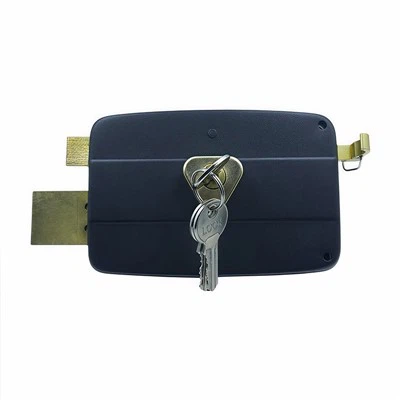
As a supplier of self-locking doors, I've encountered numerous situations where customers face issues with their self-locking doors not locking properly. It can be quite frustrating when you're trying to secure your property, and the door just won't cooperate. In this blog post, I'll share some effective troubleshooting steps to help you resolve this problem.
1. Check the Door Alignment
One of the most common reasons a self-locking door won't lock is misalignment. Over time, doors can shift due to various factors such as settling of the building, temperature changes, or frequent use. Here's how you can check and correct the alignment:
Visual Inspection
Stand in front of the door and look at the gap between the door and the frame. If the gap is uneven, it's a sign of misalignment. You can also try closing the door gently and see if it fits snugly into the frame. If it seems to catch or rub against the frame in certain areas, alignment is likely the issue.


Adjusting the Hinges
Most self-locking doors are hung on hinges, and these can often be adjusted to correct misalignment. Loosen the hinge screws slightly using a screwdriver. Then, gently tap the hinge pins with a hammer to move the door into the correct position. Once the door is aligned, tighten the hinge screws again. Make sure not to overtighten them, as this can cause the hinges to bind.
2. Examine the Lock Mechanism
The lock mechanism itself could be the culprit if the door won't lock. Here are some steps to inspect and troubleshoot the lock:
Check for Obstructions
Sometimes, debris, dirt, or small objects can get stuck in the lock mechanism, preventing it from working properly. Use a can of compressed air to blow out any loose debris from the keyhole and the lock body. You can also use a small brush to gently clean the area around the lock.
Lubricate the Lock
A lack of lubrication can cause the lock to become stiff and difficult to operate. Apply a small amount of graphite powder or a silicone-based lubricant to the key and insert it into the lock. Turn the key back and forth several times to distribute the lubricant evenly inside the lock. Avoid using oil-based lubricants, as they can attract dirt and cause more problems in the long run.
Test the Key
If the lock still won't work after cleaning and lubricating, the key might be the issue. Check if the key is bent or damaged. If it is, you may need to get a new key cut. You can also try using a spare key if you have one. If the spare key works, then the original key is likely the problem.
3. Evaluate the Strike Plate
The strike plate is the part of the lock that the latch or bolt fits into when the door is closed. If the strike plate is misaligned or damaged, the door won't lock properly.
Check the Alignment
Similar to the door alignment, the strike plate needs to be properly aligned with the lock. Use a screwdriver to loosen the strike plate screws. Then, move the strike plate slightly until the latch or bolt fits smoothly into it. Once the alignment is correct, tighten the screws again.
Inspect for Damage
Look for any signs of damage to the strike plate, such as cracks or bent edges. If the strike plate is damaged, it will need to be replaced. You can find replacement strike plates at most hardware stores.
4. Consider the Door Material and Environment
The material of the door and the environment it's in can also affect the locking mechanism.
Door Material
Different door materials expand and contract at different rates due to changes in temperature and humidity. For example, wooden doors are more prone to swelling in humid conditions, which can cause the door to become stuck and prevent the lock from working. If you suspect this is the issue, you may need to sand the edges of the door slightly to create more clearance.
Environment
If the door is exposed to extreme weather conditions, such as heavy rain or strong winds, it can cause damage to the lock or the door itself. Make sure the door is properly sealed to prevent water from getting inside and causing rust or corrosion. You can also install weatherstripping around the door to improve its insulation and protection.
5. Explore Different Lock Options
If you've tried all the above steps and the door still won't lock, it might be time to consider replacing the lock. At our company, we offer a variety of high-quality self-locking doors and locks to meet your needs.
Shed Lock
Our shed locks are designed to provide reliable security for your sheds and other outdoor storage areas. They are made from durable materials and are resistant to weather and tampering.
Universal Door Lock
The universal door lock is a versatile option that can be used on a wide range of doors. It is easy to install and provides a high level of security.
Push Door Lock
Push door locks are convenient and easy to use. They are ideal for interior doors where quick access is required.
If you're experiencing problems with your self-locking door and need further assistance, or if you're interested in purchasing a new lock or door, please don't hesitate to contact us. Our team of experts is ready to help you find the best solution for your security needs.
References
- "Door Lock Troubleshooting Guide" - Home Improvement Magazine
- "How to Align a Door" - DIY Network
- "Maintaining Your Door Locks" - Locksmith Journal