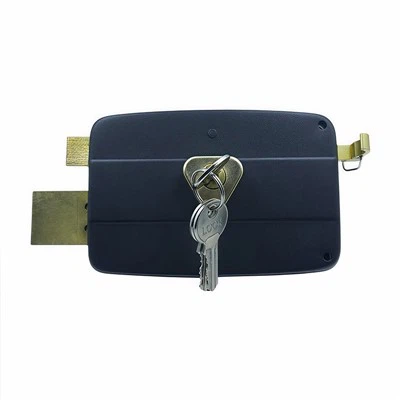
Can wooden door locks be painted? This is a question that many homeowners and professionals in the construction and interior design industries often ask. As a supplier of wooden door locks, I've encountered this query numerous times, and I'm here to provide a comprehensive answer based on my experience and knowledge.
Understanding Wooden Door Locks
Before delving into whether wooden door locks can be painted, it's essential to understand the nature of these locks. Wooden door locks come in various types, designs, and finishes. They are not only functional components that secure our doors but also decorative elements that can enhance the aesthetic appeal of a room. Some common types of wooden door locks include deadbolts, knob locks, and lever locks. Each type has its own unique features and requirements.
The Feasibility of Painting Wooden Door Locks
The short answer is yes, wooden door locks can be painted. However, there are several factors to consider before embarking on this project.
Material Compatibility
The first factor is the material of the lock. Most wooden door locks are made of a combination of wood and metal components. The wood part can generally be painted without much issue, as long as the paint is suitable for wood surfaces. However, the metal parts require special attention. Some paints may not adhere well to metal, leading to peeling or chipping over time. It's crucial to choose a paint that is compatible with both wood and metal. For example, a high - quality enamel paint can often work well on both materials.
Functionality
Painting a wooden door lock can potentially affect its functionality. If paint gets into the moving parts of the lock, such as the keyway or the locking mechanism, it can cause the lock to jam or become difficult to operate. Therefore, it's important to take precautions to protect these areas during the painting process. One way to do this is by using masking tape to cover the keyway and other sensitive parts before painting.


Aesthetic Considerations
Painting a wooden door lock can significantly change its appearance. It can be a great way to match the lock with the overall color scheme of the room or to give an old lock a new look. However, it's important to choose a color that complements the surrounding decor. For instance, if the door is a natural wood color, a stain or a paint that mimics the wood grain can be a good choice. On the other hand, if you want to make a bold statement, you could choose a bright, contrasting color.
The Painting Process
If you've decided to paint your wooden door lock, here is a step - by - step guide on how to do it properly.
Preparation
- Remove the lock: It's much easier to paint the lock when it's removed from the door. Use the appropriate tools to carefully take the lock off.
- Clean the lock: Use a mild detergent and water to clean the lock thoroughly. This will remove any dirt, grease, or old paint that could prevent the new paint from adhering properly.
- Sand the surface: Use fine - grit sandpaper to lightly sand the wood and metal parts of the lock. This will create a rough surface for the paint to stick to.
- Mask sensitive areas: As mentioned earlier, use masking tape to cover the keyway, the locking mechanism, and any other parts that you don't want to get painted.
Painting
- Prime the lock: Apply a primer to the lock. A primer helps the paint adhere better and provides an extra layer of protection. Let the primer dry completely according to the manufacturer's instructions.
- Apply the paint: Use a small brush or a spray paint to apply the paint evenly to the lock. If using a brush, make sure to use smooth, even strokes. If using spray paint, hold the can at a consistent distance from the lock and apply thin, even coats.
- Let the paint dry: Allow the paint to dry completely between coats. Depending on the type of paint, this could take anywhere from a few hours to a full day. Apply multiple coats for a more durable and even finish.
Finishing
- Remove the masking tape: Once the paint is completely dry, carefully remove the masking tape.
- Reinstall the lock: Put the painted lock back on the door using the appropriate tools.
Types of Wooden Door Locks and Painting
Let's take a closer look at some specific types of wooden door locks and how painting them might differ.
Self Locking Door
Self - locking doors, such as those with Self Locking Door mechanisms, often have complex locking systems. When painting these locks, extra care must be taken to ensure that the self - locking feature is not affected. The key is to keep paint away from the sensors or the spring - loaded parts that make the door lock automatically.
Shed Lock
Shed Lock is typically more exposed to the elements. When painting a shed lock, it's important to choose a paint that is weather - resistant. A paint with anti - rust properties can be especially beneficial for metal parts of the shed lock, as it will protect them from corrosion.
Push Lock
Push Lock operates by pushing a button or a lever to lock and unlock. Similar to other locks, when painting a push lock, make sure to prevent paint from getting into the push mechanism. This can be done by masking the area around the button or lever.
Professional vs. DIY
While painting a wooden door lock can be a DIY project, there are times when it's better to hire a professional. If you're not confident in your painting skills or if the lock is a high - security or antique model, a professional painter can ensure that the job is done correctly without compromising the lock's functionality or value.
Contact for Purchase and Consultation
If you're in the market for a new wooden door lock or need more information about painting your existing lock, I'm here to help. As a supplier of wooden door locks, I have a wide range of products to meet your needs. Whether you're looking for a Self Locking Door, a Shed Lock, or a Push Lock, I can provide you with high - quality options. Contact me to discuss your requirements and start a procurement negotiation. I'm committed to providing excellent customer service and ensuring that you get the best products for your project.
References
- "Painting Techniques for Wood and Metal Surfaces" - Home Improvement Handbook
- "Locksmithing Basics: Maintaining and Modifying Locks" - Professional Locksmith Magazine
- "Interior Design: Color and Material Selection" - Design Journal