As a seasoned supplier in the hotel locks industry, I've witnessed firsthand the evolution from traditional to electronic locks. This transformation is not just a matter of technological advancement but also has far - reaching implications for hotel operations, security, and guest experience. In this blog, I'll delve into the differences between traditional and electronic hotel locks to help you make an informed decision when choosing the right locks for your hotel.
1. Mechanism and Operation
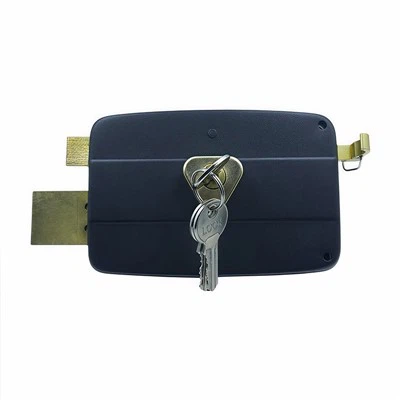
Traditional hotel locks rely on mechanical components such as keys, cylinders, and tumblers. A physical key is inserted into the lock cylinder, and by turning it, the tumblers inside the lock align, allowing the bolt to retract and the door to open. This system has been in use for centuries and is simple in its design. However, it requires guests to carry a physical key, which can be lost or stolen. For example, a guest might misplace their key while exploring the city, or it could be taken by someone with malicious intent.
On the other hand, electronic hotel locks operate on digital technology. They use electronic components like RFID (Radio - Frequency Identification), magnetic stripes, or Bluetooth to communicate with access cards or mobile devices. When a valid access card is swiped or a mobile device is presented near the lock, the lock's electronic system reads the information and verifies its authenticity. If the access is granted, an electric motor inside the lock retracts the bolt, opening the door. This method eliminates the need for guests to carry a traditional key, providing a more convenient and modern experience.
2. Security
Security is a top priority for any hotel. Traditional locks have a certain level of security, but they also have their limitations. The keys used in traditional locks can be easily duplicated. A skilled locksmith or even an unauthorized person with basic tools can create a copy of a key. Moreover, if a key is lost, it's difficult to know who might have it, and there's a risk that the lost key could be used to access the room.
Electronic locks offer enhanced security features. Most electronic locks can be programmed to restrict access to specific times and areas. For example, a hotel can set a check - in and check - out time for each guest, and the access card will only work within that time frame. Additionally, electronic locks can keep a detailed log of all access attempts, including the time, date, and the access card used. This log can be invaluable in case of any security incidents, as it allows hotel management to track who entered a room and when.
3. Installation and Maintenance
Installing traditional locks is a relatively straightforward process. It mainly involves fitting the lock into the door and the door frame, and then connecting the necessary mechanical parts. However, it may require some basic carpentry skills, especially when it comes to aligning the lock properly. Maintenance of traditional locks is also relatively simple. Regular lubrication of the lock's moving parts can prevent them from jamming, and occasional replacement of worn - out components may be needed.
Electronic locks, on the other hand, require more technical expertise for installation. They need to be connected to a power source, and the electronic system needs to be configured correctly. However, once installed, electronic locks often require less maintenance. There are no moving parts that need to be lubricated, and the electronic components are designed to be durable. In case of a malfunction, most electronic locks can be easily diagnosed using diagnostic tools, and replacement parts can be quickly installed.
4. Cost
The cost of traditional and electronic locks varies significantly. Traditional locks are generally more affordable upfront. The cost of a basic traditional hotel lock, including the key and installation, is relatively low. This makes them an attractive option for budget - conscious hotels or those with a large number of rooms to equip.
Electronic locks, however, have a higher initial cost. The cost of the lock itself, along with the necessary electronic system, programming, and installation, can be quite substantial. But when considering the long - term benefits, such as reduced key replacement costs, enhanced security, and improved guest experience, the investment in electronic locks can be well worth it.
5. Guest Experience
Guest experience plays a crucial role in the success of a hotel. Traditional locks may seem old - fashioned to modern guests. Carrying a key can be inconvenient, especially when guests have their hands full with luggage or other items. Moreover, fumbling with a key to unlock a door can be frustrating, especially after a long day of travel.
Electronic locks provide a more seamless and modern guest experience. Guests can simply swipe their access card or use their mobile device to unlock the door, which is quick and easy. Some electronic locks even support contactless entry, which is particularly appealing in the era of health and safety concerns. This convenience can enhance guest satisfaction and loyalty.
Types of Locks in Each Category
In the traditional lock category, there are several types that are commonly used in hotels. One such type is the Quarter Turn Lock. This lock is easy to operate, with a simple quarter - turn motion to open or close the door. It's often used on smaller, less - secure doors or as an additional locking mechanism.
Another type is the Push Bar Lock. This lock is designed for emergency exits and public areas. It can be opened by simply pushing on the bar, providing a quick and easy way to exit in case of an emergency.
Among traditional locks, the Round Door Lock is also popular. It has a classic design and is suitable for various types of doors, offering a balance between style and security.


In the electronic lock category, there are also different types, such as RFID locks, magnetic stripe locks, and Bluetooth locks. Each type has its own advantages and is suitable for different hotel needs.
Conclusion
In conclusion, both traditional and electronic hotel locks have their own advantages and disadvantages. Traditional locks are simple, affordable, and have a long - standing history of use. However, they lack the convenience and advanced security features offered by electronic locks. Electronic locks, while more expensive upfront, provide a higher level of security, better guest experience, and greater control for hotel management.
As a hotel locks supplier, I understand that every hotel has its own unique requirements. Whether you're looking for a traditional lock for a budget - friendly option or an electronic lock for a high - end, modern hotel, I can provide you with the best solutions. If you're interested in learning more about our hotel locks or would like to discuss your specific needs, I encourage you to reach out to me for a detailed consultation and procurement discussion.
References
- "Hotel Security and Safety Management" by John D. Brotherton
- "Introduction to Electronic Lock Systems" by industry research reports
- Various case studies on hotel lock systems from leading hotel chains