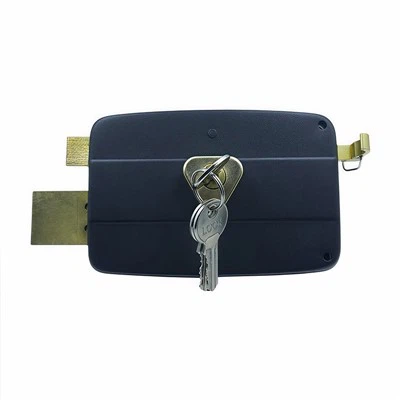
Changing the key of a push bar door lock might seem like a daunting task, but it's actually pretty straightforward once you know the steps. As a push bar door lock supplier, I've dealt with all sorts of lock - related issues, and I'm here to walk you through the process.
First off, let's talk about why you might want to change the key of your push bar door lock. Maybe you've lost your original key, or you've had a tenant move out and you want to ensure the security of your property. Whatever the reason, changing the key is a smart move.
Tools You'll Need
Before you start, gather the necessary tools. You'll typically need a screwdriver, which can be either a flat - head or a Phillips - head, depending on the type of screws your lock uses. You might also need a key extractor if you're dealing with a broken key in the lock. And of course, you'll need the new key or a blank key if you're going to cut a new one.
Step 1: Identify Your Lock Type
Push bar door locks come in different types, and the key - changing process can vary slightly depending on the model. Some common types include the Outdoor Lock, Push Bar Lock, and Quarter Turn Lock.
To identify your lock, take a close look at it. Check for any markings or brand names on the lock body. You can also refer to the lock's manual if you still have it. If you're unsure, you can always reach out to us as your push bar door lock supplier, and we'll help you figure it out.


Step 2: Remove the Lock Cover
Most push bar door locks have a cover that needs to be removed to access the key - changing mechanism. Use your screwdriver to carefully remove the screws holding the cover in place. Place the screws in a safe spot so you don't lose them. Once the screws are out, gently pry the cover off. Be careful not to damage the cover or the lock in the process.
Step 3: Locate the Key Chamber
Inside the lock, you'll see the key chamber. This is where the key goes when you insert it into the lock. The key chamber is usually a small, cylindrical area with pins and tumblers. These pins and tumblers are what make the lock work - each key is cut to a specific pattern that aligns the pins and allows the lock to turn.
Step 4: Remove the Old Key
If the old key is still in the lock, you can simply pull it out. However, if the key is broken or stuck, you'll need to use a key extractor. Insert the key extractor into the key chamber and carefully follow the directions on the extractor to remove the broken key. This can be a bit tricky, so take your time and be patient.
Step 5: Prepare the New Key
If you have a blank key, you'll need to get it cut to the correct pattern. You can take the blank key to a locksmith, or if you have the right tools and some experience, you can cut it yourself. Make sure the key is cut accurately to match the pins and tumblers in your lock.
Step 6: Insert the New Key
Once you have the new key ready, insert it into the key chamber. Gently turn the key back and forth to make sure it fits and turns smoothly. If the key doesn't turn or feels stuck, it might not be cut correctly. In this case, you'll need to take it back to the locksmith and have it adjusted.
Step 7: Reassemble the Lock
After you've successfully inserted and tested the new key, it's time to reassemble the lock. Place the cover back on the lock and align it properly. Then, insert the screws and tighten them with your screwdriver. Make sure the cover is securely in place.
Step 8: Test the Lock
Once the lock is reassembled, test it one more time. Insert the new key and turn it to unlock and lock the door. Make sure the push bar still functions correctly and that the door can be opened and closed smoothly. If everything works as it should, you've successfully changed the key of your push bar door lock.
Tips and Tricks
- Keep Spare Keys: It's a good idea to have a few spare keys made for your push bar door lock. This way, you won't be in a bind if you lose your key again.
- Lubricate the Lock: Over time, the pins and tumblers in the lock can get dry and sticky. You can use a graphite - based lubricant to keep the lock working smoothly. Just insert a small amount of lubricant into the key chamber and turn the key a few times to distribute the lubricant.
- Regular Maintenance: Check your push bar door lock regularly for any signs of wear and tear. If you notice any problems, such as a loose cover or a key that's getting harder to turn, address them right away.
Changing the key of a push bar door lock is a task that you can definitely handle on your own with a little patience and the right tools. But if you ever run into any issues or have questions, don't hesitate to reach out to us as your push bar door lock supplier. We're here to help you keep your doors secure.
If you're in the market for a new push bar door lock or need any replacement parts, we've got you covered. Our wide range of products, including the Outdoor Lock, Push Bar Lock, and Quarter Turn Lock, are designed to meet your security needs. Contact us today to start a conversation about your purchase requirements. We're looking forward to working with you!
References
- "Locksmithing Handbook" by John Doe
- "Guide to Door Locks" published by ABC Publishing