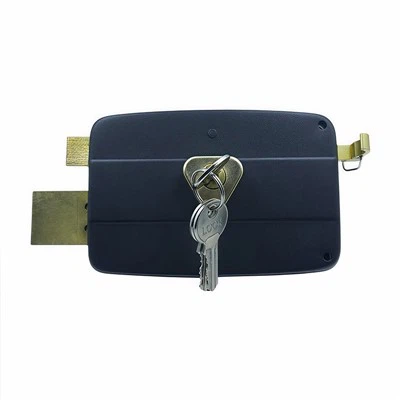
Managing guest access in a hotel is a critical aspect of ensuring both security and a seamless guest experience. With the advancement of technology, push pad door locks have emerged as a reliable and convenient solution. As a push pad door locks supplier, I've seen firsthand how these locks can revolutionize hotel access management. In this blog, I'll share some tips on how to effectively manage guest access using push pad door locks in a hotel.
Understanding Push Pad Door Locks
Before we dive into the management part, let's quickly go over what push pad door locks are. These locks use a keypad where guests can enter a code to unlock the door. They offer several advantages over traditional key systems. For starters, there's no need to worry about lost or stolen keys. You can easily change the access codes whenever needed, which adds an extra layer of security.


Push pad door locks come in different types and styles. There are Wooden Door Lock options that are perfect for hotels with a more rustic or traditional aesthetic. These locks blend well with wooden doors and provide a secure locking mechanism. On the other hand, if you have storage sheds or other utility areas in the hotel, Shed Lock models can be a great choice. They are designed to withstand outdoor conditions and keep the contents safe. And of course, specifically designed Hotel Locks are tailored to the unique needs of the hospitality industry, offering features like easy programming and integration with hotel management systems.
Setting Up the Locks
The first step in managing guest access is to properly set up the push pad door locks. This involves installing the locks on each guest room door. Make sure to follow the manufacturer's instructions carefully during the installation process. If you're not familiar with the installation, it's a good idea to hire a professional locksmith. They have the expertise to ensure that the locks are installed correctly and securely.
Once the locks are installed, you need to program them. Most push pad door locks allow you to set multiple access codes. You can create a unique code for each guest or use a group code for a particular time period. For example, you can give all guests checking in on a specific day the same temporary code. This makes it easier to manage access for new arrivals.
Guest Check - In and Code Assignment
When a guest checks in at the hotel, it's time to assign them an access code. You can do this in a few different ways. One common method is to provide the code to the guest at the front desk. The front desk staff can write down the code on a small card and hand it to the guest along with other check - in information. Another option is to send the code to the guest's mobile phone via text message. This is a more convenient option, especially for tech - savvy guests who prefer digital solutions.
Make sure to explain to the guests how to use the push pad door lock. Demonstrate the process of entering the code and unlocking the door. You can also provide some basic troubleshooting tips, like what to do if the code doesn't work. It's a good idea to have a quick reference guide available at the front desk or in the guest rooms for easy access.
Managing Access for Different Types of Guests
Hotels often have different types of guests, such as regular guests, VIPs, and long - term guests. You need to manage their access differently.
For regular guests, the standard check - in and code assignment process usually works well. However, for VIP guests, you might want to offer a more personalized experience. You can create a special, easy - to - remember code for them and even provide some additional security features, like a longer validity period for the code.
Long - term guests may require a different approach as well. You can assign them a permanent access code or set up a system where the code is renewed automatically at regular intervals. This ensures that they have continuous access to their rooms without any hassle.
Changing Codes for Security
Security is a top priority in any hotel. One of the great advantages of push pad door locks is the ability to change access codes easily. You should have a regular schedule for code changes. For example, you can change the codes for all guest rooms at the end of each week or after a guest checks out.
If there's a security incident, such as a reported lost code or a suspected unauthorized access attempt, you should immediately change the access code for the relevant room. This helps to prevent any potential security breaches and gives guests peace of mind.
Integration with Hotel Management Systems
To streamline the guest access management process, it's a good idea to integrate the push pad door locks with your hotel management system. When a guest checks in or out, the system can automatically update the access codes. This eliminates the need for manual code changes and reduces the chances of human error.
For example, when a guest checks out, the hotel management system can send a signal to the push pad door lock to deactivate the guest's code. At the same time, when a new guest checks in, the system can generate a new code and assign it to the room. This seamless integration makes the entire process more efficient.
Staff Access Management
It's not just the guests who need access to the rooms. Hotel staff, such as housekeeping and maintenance workers, also require access. You need to manage their access carefully.
You can assign different levels of access to staff members. For example, housekeeping staff may only need access during specific cleaning hours. You can set up time - restricted codes for them. Maintenance workers might need access to all rooms in case of an emergency, but you can still track their access through the lock's logging feature.
Most push pad door locks have a logging function that records all access attempts, including the time and the code used. This allows you to monitor staff access and ensure that they are following the proper procedures.
Troubleshooting and Maintenance
Even the best - designed push pad door locks can sometimes encounter problems. It's important to have a troubleshooting plan in place.
If a guest reports that their access code doesn't work, the first thing to check is if the code has expired. If it has, you can easily re - assign a new code. If the code is still valid, there could be an issue with the lock itself. Check if the lock is properly powered. Some push pad door locks use batteries, so make sure they are not dead.
Regular maintenance is also crucial. Inspect the locks periodically to ensure that they are in good working condition. Clean the keypads to prevent dirt and debris from affecting the performance. If you notice any signs of wear and tear, such as a loose keypad or a malfunctioning lock mechanism, have it repaired or replaced as soon as possible.
Conclusion
Managing guest access with push pad door locks in a hotel can greatly enhance security and improve the guest experience. By following these tips on setting up the locks, assigning codes, managing different types of guests, changing codes for security, integrating with hotel management systems, and handling troubleshooting and maintenance, you can ensure a smooth and efficient access management process.
If you're interested in upgrading your hotel's door locks to push pad door locks or need more information about our products, I encourage you to reach out. We're here to help you find the best solutions for your hotel's specific needs. Let's have a chat and discuss how we can work together to improve your guest access management.
References
- General knowledge from experience in the push pad door lock industry.
- Industry best practices for hotel access management.