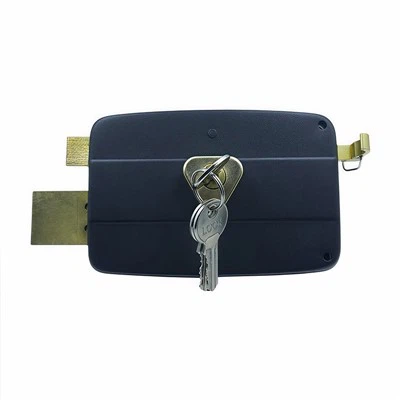
Hey there! As a shed padlock supplier, I often get asked if there are padlocks suitable for saltwater environments, especially for sheds near the sea. Well, you bet there are! In this blog, I'm gonna spill the beans on what to look for in a padlock that can stand up to the harsh conditions of a coastal area.
The Challenge of Saltwater Environments
First off, let's talk about why saltwater is such a big deal. Saltwater is incredibly corrosive. When metal comes into contact with saltwater, it starts a chemical reaction called corrosion. This can eat away at the metal, weaken the padlock, and eventually make it useless. For sheds near the sea, this is a real problem because the padlock is constantly exposed to salty air, sea spray, and maybe even direct contact with water during storms.
So, what should you look for in a padlock to make sure it can handle these tough conditions?
Material Matters
The most important thing is the material of the padlock. Not all metals are created equal when it comes to corrosion resistance.
Stainless Steel
Stainless steel is a top choice for saltwater environments. It contains chromium, which forms a thin layer of oxide on the surface of the metal. This layer acts as a barrier, protecting the steel from further corrosion. There are different grades of stainless steel, but for coastal areas, you want to look for at least 304 or 316 grade. 316 grade is even more resistant to corrosion because it has a higher percentage of nickel and molybdenum.
Brass
Brass is another option. It's an alloy of copper and zinc, and it has good corrosion resistance. Brass also has a nice, classic look. However, it's not as strong as stainless steel, so it might not be the best choice for high-security applications.
Galvanized Steel
Galvanized steel is steel that has been coated with a layer of zinc. The zinc acts as a sacrificial anode, meaning it corrodes before the steel does. This can provide good protection for a while, but over time, the zinc coating can wear off, especially in a saltwater environment.
Additional Protections
In addition to choosing the right material, there are other features that can make a padlock more suitable for saltwater.
Sealed Design
A padlock with a sealed design is a great option. This means that there are no gaps or openings where saltwater can get inside and cause damage. Sealed padlocks are often filled with a lubricant that helps to keep the moving parts working smoothly and also provides an extra layer of protection against corrosion.
Anti-Corrosion Coating
Some padlocks come with an anti-corrosion coating. This can be a paint or a special treatment that adds an extra layer of protection to the metal. Look for padlocks that have a thick, durable coating that can withstand the harsh conditions of a coastal area.
Types of Padlocks
Now, let's talk about the different types of padlocks that are available.
Outdoor Lock
The Outdoor Lock is a great option for sheds near the sea. It's designed to be used outdoors, so it's built to withstand the elements. It usually has a strong, durable body and a shackle that can resist cutting and prying. Many outdoor locks also have a sealed design and an anti-corrosion coating, making them perfect for saltwater environments.
Self Locking Door Lock
The Self Locking Door Lock is another option. This type of lock automatically locks when the door is closed, which is convenient and can help to keep your shed secure. It's important to make sure that the self-locking mechanism is made of a corrosion-resistant material and that it's protected from the elements.
Push Lock
The Push Lock is a simple and easy-to-use lock. You just push the shackle down to lock it and pull it up to unlock it. Push locks are often made of stainless steel or brass, making them suitable for saltwater environments. They're also relatively inexpensive, which makes them a good option for those on a budget.
Maintenance
Even the best padlocks need some maintenance to keep them working properly in a saltwater environment. Here are some tips:


- Clean Regularly: Use a mild soap and water to clean the padlock. This will help to remove any salt or debris that has built up on the surface.
- Lubricate: Apply a lubricant to the moving parts of the padlock every few months. This will help to keep the lock working smoothly and prevent corrosion.
- Inspect Regularly: Check the padlock for any signs of damage or wear. If you notice any problems, replace the padlock as soon as possible.
Conclusion
So, to answer the question, yes, there are definitely padlocks suitable for saltwater environments for sheds near the sea. By choosing the right material, looking for additional protections, and doing some regular maintenance, you can find a padlock that will keep your shed secure for years to come.
If you're in the market for a shed padlock for a coastal area, I'd love to help. Whether you need a high-security stainless steel lock or a simple brass push lock, I've got you covered. Just reach out, and we can discuss your specific needs and find the perfect padlock for your shed.
References
- Corrosion Resistance of Metals in Saltwater Environments, Journal of Materials Science
- Outdoor Lock Technologies and Their Suitability for Harsh Conditions, Locksmith Magazine