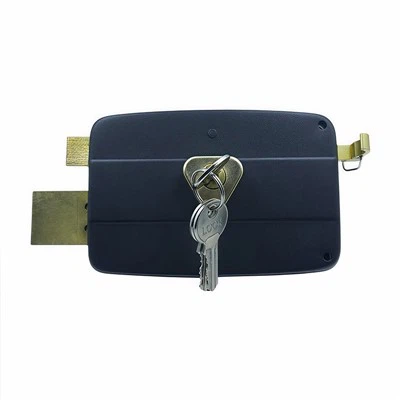
When it comes to testing a garden shed lock, there are several crucial aspects that every garden shed lock supplier, like me, needs to check to ensure the lock's quality, reliability, and functionality. As a supplier in the market, I understand the importance of delivering top - notch products to my customers. In this blog, I will walk you through the key points to consider during the testing process.
1. Physical Durability
The first and perhaps most obvious aspect to check is the physical durability of the lock. A garden shed is often exposed to various weather conditions, including rain, snow, sunlight, and wind. Therefore, the lock must be able to withstand these elements without deteriorating quickly.
- Material Quality: Examine the materials used in the lock's construction. High - quality metals such as stainless steel or brass are excellent choices as they are resistant to rust and corrosion. For example, a lock made of stainless steel will not only look good but also maintain its structural integrity over time. A lock with a thick and sturdy body is less likely to be damaged by impacts or forced entry attempts.
- Finish: The finish of the lock is also important. A smooth and even finish not only enhances the lock's appearance but also provides an additional layer of protection against the elements. Check for any signs of peeling, chipping, or uneven coating, as these can lead to premature corrosion.
2. Locking Mechanism
The locking mechanism is the heart of the garden shed lock, and it needs to be tested thoroughly to ensure proper functionality.


- Key Operation: Insert the key into the lock and turn it multiple times. The key should turn smoothly without any resistance or sticking. A key that is difficult to turn can be a sign of a faulty internal mechanism or misaligned parts. If the key gets stuck or breaks inside the lock, it can be a major inconvenience for the user.
- Locking and Unlocking: Test the locking and unlocking process both from the inside and outside of the shed. The lock should engage and disengage easily and securely. Check if the lock can be locked with the door open and closed to ensure flexibility in usage.
- Self - Locking Feature: If the lock has a Self Locking Door feature, test it to make sure it works as intended. When the door is closed, the lock should automatically engage without the need for manual intervention. This feature provides an extra layer of security, especially if the user forgets to lock the door.
3. Security Level
Security is a top priority when it comes to garden shed locks. There are several factors to consider when evaluating the security level of a lock.
- Resistance to Forced Entry: Try to apply some force to the lock to see how it holds up. A good garden shed lock should be able to resist basic forms of forced entry, such as prying or bumping. Look for locks with anti - pick and anti - bump features, which can prevent unauthorized access.
- Key Duplication: Check the complexity of the key design. Keys that are difficult to duplicate provide better security. Some locks come with high - security keys that have unique patterns or encoding, making it harder for someone to make a copy without proper authorization.
4. Compatibility
The garden shed lock must be compatible with the shed door.
- Door Type: Consider the type of door the lock will be installed on. For wooden doors, a Wooden Door Lock might be the most suitable option. These locks are designed to work well with the natural properties of wood and can provide a secure fit. For doors that are pushed open, a Push Door Lock can be a great choice as it is specifically designed for this type of operation.
- Installation: Test the installation process to ensure that the lock can be easily installed on the shed door. Check if all the necessary hardware is included and if the lock fits the pre - drilled holes or mounting points on the door. A lock that is difficult to install can lead to improper installation, which can compromise its security and functionality.
5. Functionality in Different Conditions
Since the garden shed is exposed to different environmental conditions, it is important to test the lock's functionality in various scenarios.
- Temperature Variations: Place the lock in a controlled environment and expose it to different temperatures. Extreme cold or heat can affect the lock's performance. For example, in cold weather, the metal parts of the lock may contract, which can cause the key to become difficult to turn. The lock should be able to function properly within a wide range of temperatures.
- Moisture Resistance: Simulate wet conditions by spraying the lock with water or placing it in a humid environment. Check for any signs of water damage or rust formation. A lock that is not moisture - resistant can malfunction quickly, especially in areas with high humidity or frequent rainfall.
6. Noise Level
A quiet lock is often preferred, especially if the garden shed is located near living areas. Test the lock to see if it makes any loud or annoying noises when locking or unlocking. Excessive noise can be a sign of loose parts or a poorly designed mechanism. A quiet lock ensures that the user can operate the shed door without disturbing others.
7. Long - Term Performance
To ensure the long - term performance of the lock, it is a good idea to conduct a long - term test. Install the lock on a test shed and monitor its performance over a period of several weeks or months. This will help identify any potential issues that may not be apparent during short - term testing, such as wear and tear, gradual loss of functionality, or corrosion over time.
Conclusion
Testing a garden shed lock is a comprehensive process that involves checking multiple aspects of the lock's design, construction, and functionality. As a garden shed lock supplier, I am committed to providing my customers with high - quality locks that meet their security and durability needs. By thoroughly testing each lock before it reaches the market, I can ensure that my customers are satisfied with their purchase.
If you are in the market for a reliable garden shed lock, I invite you to contact me for more information and to discuss your specific requirements. I am always ready to assist you in finding the perfect lock for your garden shed.
References
- "Security and Durability of Outdoor Locks" - A study on the performance of locks in outdoor environments.
- "Lock Mechanisms and Their Functionality" - An in - depth analysis of different locking mechanisms.