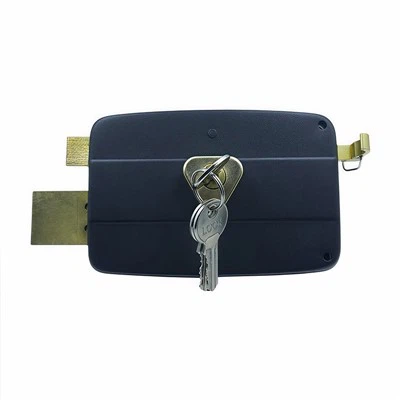
Can an outdoor lock rust? This is a question that many customers often ask us as an outdoor lock supplier. In this blog, we'll delve deep into the factors that contribute to outdoor lock rusting, ways to prevent it, and introduce some of our high - quality outdoor locks that are designed to resist rust.
Understanding Rust
Rust is a common problem for metal objects exposed to the elements, and outdoor locks are no exception. Chemically, rust is the result of a redox reaction between iron, oxygen, and water. When iron in the lock comes into contact with water and oxygen in the air, a hydrated iron(III) oxide is formed, which we commonly recognize as rust. This process is accelerated in the presence of salts, acids, or other contaminants in the environment.


Factors Affecting Outdoor Lock Rusting
- Moisture: Water is one of the main catalysts for rust formation. Outdoor locks are constantly exposed to rain, snow, and humidity. Even in dry climates, morning dew can provide enough moisture to start the rusting process. For example, in coastal areas where the air is more humid, locks are at a higher risk of rusting compared to those in arid regions.
- Oxygen: Oxygen is essential for the rusting reaction. The more oxygen the lock is exposed to, the faster the rusting process can occur. Outdoor locks are in direct contact with the open air, which contains approximately 21% oxygen, making them vulnerable to oxidation.
- Salt and Chemicals: In areas where roads are salted during winter or near industrial areas with high levels of pollutants, outdoor locks are more likely to rust. Salt can act as an electrolyte, speeding up the electrochemical reaction that leads to rust. Chemical pollutants such as sulfur dioxide and nitrogen oxides can also react with water in the air to form acidic solutions, which corrode the metal of the lock.
- Quality of the Metal: The type of metal used in the lock plays a crucial role in its resistance to rust. Locks made from low - grade steel are more prone to rusting compared to those made from stainless steel or brass. Stainless steel contains chromium, which forms a protective oxide layer on the surface of the metal, preventing further oxidation. Brass, on the other hand, is an alloy of copper and zinc and has good corrosion resistance.
Our Outdoor Locks and Rust Resistance
As an outdoor lock supplier, we understand the importance of providing locks that can withstand the elements. We offer a wide range of locks, including the Universal Door Lock, Self Locking Door Lock, and Storeroom Lock.
Our Universal Door Lock is made from high - quality stainless steel. The stainless steel construction ensures excellent rust resistance, even in harsh outdoor environments. It is designed to be durable and long - lasting, providing reliable security for your doors. Whether it's a front door, back door, or a gate, this lock can handle the exposure to the elements.
The Self Locking Door Lock is another great option. It not only offers the convenience of self - locking but also features a rust - resistant finish. This lock is ideal for areas where you need to ensure that the door is always locked for security reasons. The finish acts as an additional barrier against moisture and oxygen, protecting the metal underneath from rusting.
Our Storeroom Lock is specifically designed for outdoor storage areas. It is made from a combination of brass and stainless steel components. Brass is known for its natural corrosion resistance, and when combined with stainless steel, it creates a lock that is highly resistant to rust. This lock can be used to secure storage sheds, tool rooms, and other outdoor storerooms.
Preventing Rust on Outdoor Locks
- Regular Maintenance: Regularly cleaning and lubricating your outdoor locks can significantly extend their lifespan and prevent rust. Use a mild detergent and water to clean the lock, then dry it thoroughly. Apply a lubricant such as silicone spray or graphite powder to the moving parts of the lock. This not only helps to prevent rust but also ensures smooth operation of the lock.
- Protective Coatings: Applying a protective coating to the lock can provide an extra layer of defense against rust. There are various types of coatings available, such as paint, powder coating, or galvanization. Galvanization involves coating the metal with a layer of zinc, which sacrificially corrodes in place of the underlying metal, protecting it from rust.
- Proper Installation: Ensuring that the lock is installed correctly is also important. A poorly installed lock may not be properly sealed, allowing water and moisture to penetrate. Make sure that the lock is installed in a location where it is not directly exposed to water runoff or standing water.
Conclusion
In conclusion, outdoor locks can rust, but with the right precautions and the use of high - quality, rust - resistant locks, you can minimize this risk. As an outdoor lock supplier, we are committed to providing our customers with locks that are not only secure but also durable and resistant to the elements. Our Universal Door Lock, Self Locking Door Lock, and Storeroom Lock are designed to meet the needs of various outdoor applications.
If you are in the market for outdoor locks or have any questions about rust prevention, please feel free to contact us. We are more than happy to assist you in finding the perfect lock for your needs and provide you with expert advice on lock maintenance.
References
- "Corrosion and Corrosion Control" by Mars G. Fontana
- "Metals Handbook: Corrosion" published by ASM International