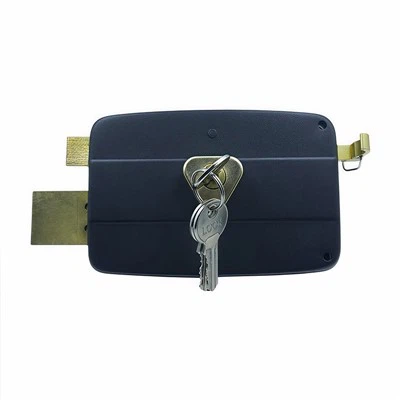
When it comes to securing your shed, choosing the right size padlock is crucial. As a shed padlock supplier, I've encountered numerous customers who are unsure about what size padlock they need. In this blog post, I'll guide you through the factors to consider when selecting the appropriate size for your shed padlock, ensuring that your shed and its contents remain safe and secure.
Understanding Padlock Sizes
Padlocks come in various sizes, which are typically measured by the length of the shackle - the U - shaped part that goes through the hasp or locking mechanism on your shed door. Common shackle lengths range from 1 - 3 inches, with smaller padlocks having shorter shackles and larger ones having longer shackles.
The size of the padlock you choose can impact its security level, durability, and compatibility with your shed's locking setup. A padlock that is too small may not fit through the hasp or provide enough security, while a padlock that is too large can be cumbersome and may not work effectively with your shed's existing hardware.
Factors to Consider When Choosing a Padlock Size
Shed Door and Hasp Dimensions
The first step in determining the right padlock size is to measure the hasp on your shed door. The hasp is the metal loop or plate that the padlock's shackle passes through. Measure the width of the opening in the hasp where the shackle will go. This measurement will give you an idea of the maximum shackle diameter that can fit through the hasp.


For example, if the opening in your hasp is 0.5 inches wide, you'll need a padlock with a shackle diameter of 0.5 inches or less. It's important to note that you should also consider the length of the shackle. If your shed door has a thick frame or if the hasp is recessed, you'll need a padlock with a longer shackle to ensure that it can pass through the hasp and secure the door properly.
Security Requirements
Your security requirements play a significant role in determining the size of the padlock you need. If your shed contains valuable items such as tools, bicycles, or gardening equipment, you'll likely want a larger and more robust padlock. Larger padlocks often have thicker shackles and more complex locking mechanisms, which can provide better resistance against cutting, picking, and other forms of forced entry.
On the other hand, if your shed is used to store less valuable items or if it's located in a relatively safe area, a smaller padlock may be sufficient. Smaller padlocks can still provide a basic level of security and are often more affordable.
Durability
The durability of the padlock is another important factor to consider. Larger padlocks are generally more durable because they are made with thicker and stronger materials. They can withstand harsh weather conditions, physical impact, and wear and tear better than smaller padlocks.
If your shed is exposed to the elements, such as rain, snow, or extreme temperatures, a larger and more durable padlock is recommended. Look for padlocks that are made from materials like hardened steel or brass, as these materials are resistant to corrosion and rust.
Common Padlock Sizes and Their Uses
Small Padlocks (1 - 1.5 inches shackle length)
Small padlocks are ideal for sheds that have thin door frames or small hasps. They are also suitable for sheds that store less valuable items or for temporary use. These padlocks are lightweight and easy to carry, making them convenient for occasional use.
However, small padlocks may not provide the same level of security as larger ones. They are more vulnerable to cutting and picking, so they should be used with caution in areas where security is a major concern.
Medium Padlocks (1.5 - 2 inches shackle length)
Medium - sized padlocks are a popular choice for most sheds. They offer a good balance between security and convenience. With a slightly longer shackle, they can fit through a wider range of hasps and are suitable for sheds with standard - sized door frames.
Medium padlocks are often used for sheds that store tools, gardening equipment, and other moderately valuable items. They are more resistant to forced entry than small padlocks and are still relatively easy to handle.
Large Padlocks (2 - 3 inches shackle length)
Large padlocks are designed for maximum security. They have thick shackles and heavy - duty locking mechanisms, making them highly resistant to cutting, picking, and other forms of forced entry. These padlocks are ideal for sheds that store high - value items such as expensive tools, motorcycles, or valuable equipment.
However, large padlocks can be heavy and cumbersome to use. They may also require a larger hasp and a more substantial door frame to accommodate their size.
Additional Considerations
Locking Mechanisms
In addition to the size of the padlock, you should also consider the type of locking mechanism. There are several types of locking mechanisms available, including key - operated locks, combination locks, and Self Locking Door.
Key - operated locks are the most common type of padlock. They offer a high level of security and are easy to use. Combination locks, on the other hand, eliminate the need for keys, which can be convenient if you tend to lose your keys. Self Locking Door can provide an added layer of security by automatically locking when the door is closed.
Compatibility with Other Locks
If you plan to use multiple locks on your shed, such as a padlock and a Storeroom Lock or a Push Lock, make sure that the padlock is compatible with the other locks. Consider the size, shape, and locking mechanism of the other locks to ensure that they work together effectively.
Conclusion
Choosing the right size shed padlock is essential for ensuring the security of your shed and its contents. By considering factors such as shed door and hasp dimensions, security requirements, durability, and locking mechanisms, you can select a padlock that meets your specific needs.
As a shed padlock supplier, I'm here to help you make the right choice. If you have any questions or need further assistance in selecting the appropriate padlock for your shed, please don't hesitate to contact me. I'll be happy to provide you with expert advice and guidance to ensure that you get the best padlock for your situation. Whether you're looking for a small, medium, or large padlock, I have a wide range of options to choose from. So, let's work together to secure your shed and give you peace of mind.
References
- "Padlock Buying Guide" by Lock Industry Association
- "Security Tips for Shed Owners" by Home Security Magazine