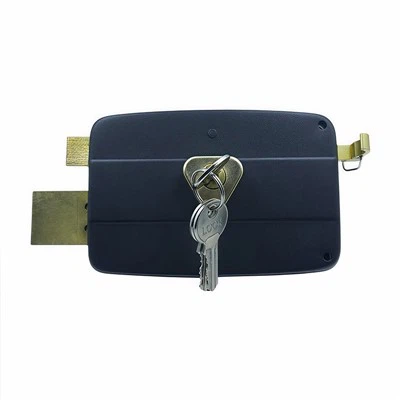
Rust is a common and persistent problem that can significantly compromise the functionality and lifespan of push bar locks. As a dedicated push bar lock supplier, I understand the importance of protecting these essential security components from the detrimental effects of rust. In this blog post, I will share some practical and effective strategies to help you safeguard your push bar locks and ensure their long - term performance.
Understanding Rust and Its Impact on Push Bar Locks
Rust, scientifically known as iron oxide, forms when iron or steel comes into contact with oxygen and moisture. Push bar locks are often made of metals such as steel or iron, which are susceptible to rusting. Once rust begins to develop on a push bar lock, it can cause a variety of issues. Firstly, it can corrode the moving parts of the lock, making it difficult to operate smoothly. This can be a serious safety hazard, especially in emergency situations where quick and easy egress is crucial. Secondly, rust can weaken the structural integrity of the lock, reducing its ability to withstand force and increasing the risk of break - ins.
Choose High - Quality Materials
One of the most fundamental steps in preventing rust on push bar locks is to start with high - quality materials. At our company, we offer a wide range of push bar locks made from corrosion - resistant materials. Stainless steel is an excellent choice as it contains chromium, which forms a protective oxide layer on the surface of the metal, preventing oxygen and moisture from reaching the underlying iron. For a more cost - effective option, zinc - coated steel can also be a great alternative. The zinc coating acts as a sacrificial anode, corroding in place of the steel and providing an extra layer of protection.


When selecting a push bar lock, it is essential to consider the environment in which it will be installed. For outdoor applications or areas with high humidity, such as basements or bathrooms, choosing a lock with a higher level of corrosion resistance is crucial. Our Push Door Lock range is specifically designed to withstand harsh environmental conditions, making it an ideal choice for both indoor and outdoor use.
Apply Protective Coatings
In addition to using corrosion - resistant materials, applying protective coatings can further enhance the rust - prevention capabilities of push bar locks. There are several types of coatings available, each with its own advantages.
- Powder Coating: This is a popular method of applying a protective finish to push bar locks. Powder coating involves applying a dry powder to the surface of the lock and then baking it in an oven. The powder melts and forms a hard, durable coating that provides excellent protection against rust, scratches, and UV rays. Powder - coated push bar locks are available in a variety of colors, allowing you to choose a finish that matches the aesthetic of your door.
- Epoxy Coating: Epoxy coatings are known for their excellent adhesion and chemical resistance. They can provide a high - level of protection against rust, moisture, and chemicals. Epoxy - coated push bar locks are particularly suitable for industrial or commercial applications where the locks may be exposed to harsh chemicals or abrasive substances.
- Wax or Oil - Based Coatings: These coatings create a physical barrier between the metal surface of the lock and the surrounding environment. Wax or oil - based coatings can be easily applied and reapplied, providing ongoing protection against rust. They are also effective in lubricating the moving parts of the lock, ensuring smooth operation.
Proper Installation and Maintenance
Proper installation and regular maintenance are essential for protecting push bar locks from rust.
- Installation: During the installation process, it is important to ensure that the push bar lock is installed correctly and that all connections are tight. Any gaps or loose connections can allow moisture to enter the lock, increasing the risk of rust. It is also recommended to use a sealant around the edges of the lock to prevent water from seeping in.
- Regular Cleaning: Regular cleaning is crucial for removing dirt, debris, and moisture from the surface of the push bar lock. Use a mild detergent and a soft cloth to clean the lock, and then dry it thoroughly. Avoid using abrasive cleaners or tools that can scratch the surface of the lock, as these scratches can provide a starting point for rust to form.
- Lubrication: Lubricating the moving parts of the push bar lock on a regular basis can help prevent rust and ensure smooth operation. Use a high - quality lubricant that is specifically designed for locks. Apply the lubricant to the keyway, the latch, and any other moving parts of the lock, and then operate the lock several times to distribute the lubricant evenly.
Environmental Control
Controlling the environment around the push bar lock can also play a significant role in preventing rust.
- Humidity Control: High humidity levels can accelerate the rusting process. In areas with high humidity, consider using a dehumidifier to reduce the moisture content in the air. This can be particularly beneficial in basements, bathrooms, and other areas where moisture tends to accumulate.
- Ventilation: Proper ventilation is important for allowing air to circulate around the push bar lock and preventing the buildup of moisture. Ensure that there is adequate ventilation in the area where the lock is installed, and avoid blocking any air vents or openings.
Inspection and Early Detection
Regular inspection of push bar locks is essential for early detection of rust. Check the lock for any signs of rust, such as discoloration, flaking, or pitting. If you notice any signs of rust, it is important to take immediate action to prevent it from spreading. For minor rust spots, you can use a rust remover to clean the affected area and then apply a protective coating. For more severe rust damage, it may be necessary to replace the lock.
Conclusion
Protecting push bar locks from rust is crucial for ensuring their functionality, safety, and longevity. By choosing high - quality materials, applying protective coatings, proper installation and maintenance, environmental control, and regular inspection, you can effectively prevent rust from developing on your push bar locks. As a push bar lock supplier, we are committed to providing our customers with high - quality products and expert advice on rust prevention. If you are interested in purchasing push bar locks or have any questions about rust prevention, please feel free to contact us for further information and to discuss your specific needs. Our House Locks and Universal Door Lock ranges also offer a variety of options to meet your security requirements.
References
- "Corrosion Basics" by NACE International
- "Handbook of Corrosion Engineering" by Pierre R. Roberge