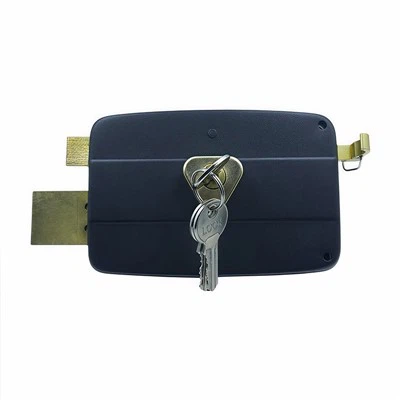
As a seasoned supplier of Outdoor Lock, I've received numerous inquiries about the suitability of our locks in saltwater environments. It's a crucial question, especially for coastal properties, boats, and marine equipment. In this blog, I'll delve into the science behind saltwater corrosion, evaluate the performance of outdoor locks in such conditions, and provide practical advice for ensuring long-lasting functionality.
Understanding Saltwater Corrosion
Saltwater is a highly corrosive medium due to its high concentration of dissolved salts, primarily sodium chloride (NaCl). When metal comes into contact with saltwater, an electrochemical reaction occurs, leading to the formation of rust and other corrosion products. This process is accelerated by factors such as oxygen, temperature, and the presence of other contaminants in the water.
The corrosion of metals in saltwater can be classified into two main types: uniform corrosion and localized corrosion. Uniform corrosion occurs evenly across the surface of the metal, gradually thinning it over time. Localized corrosion, on the other hand, affects specific areas of the metal, such as pits, crevices, or areas with surface defects. Localized corrosion can be particularly damaging as it can lead to the rapid failure of the metal component.
Performance of Outdoor Locks in Saltwater Environments
Not all outdoor locks are created equal when it comes to saltwater resistance. The performance of a lock in a saltwater environment depends on several factors, including the materials used, the design of the lock, and the level of protection provided.
Materials
The choice of materials is crucial in determining the saltwater resistance of an outdoor lock. Some of the most common materials used in outdoor locks include:
- Stainless Steel: Stainless steel is a popular choice for outdoor locks due to its excellent corrosion resistance. It contains chromium, which forms a passive oxide layer on the surface of the metal, protecting it from further corrosion. However, not all stainless steels are created equal. Austenitic stainless steels, such as 304 and 316, are generally more resistant to corrosion than ferritic or martensitic stainless steels. 316 stainless steel, in particular, contains molybdenum, which enhances its resistance to pitting and crevice corrosion in saltwater environments.
- Brass: Brass is another commonly used material for outdoor locks. It is a copper-zinc alloy that offers good corrosion resistance and aesthetic appeal. However, brass can be susceptible to dezincification in saltwater environments, especially in the presence of high levels of chloride ions. Dezincification is a process in which the zinc component of the brass is selectively dissolved, leaving behind a porous copper-rich layer that is more prone to corrosion.
- Aluminum: Aluminum is a lightweight and corrosion-resistant material that is often used in outdoor applications. It forms a protective oxide layer on its surface, which helps to prevent corrosion. However, aluminum can be susceptible to pitting corrosion in saltwater environments, especially in the presence of high levels of chloride ions.
Design
The design of the lock can also play a significant role in its saltwater resistance. A well-designed lock should have a tight seal to prevent saltwater from entering the internal components of the lock. It should also have a smooth surface finish to minimize the accumulation of salt and other contaminants.
In addition, the lock should be designed to minimize the presence of crevices and other areas where saltwater can accumulate. Crevices can trap saltwater and create a localized environment with high levels of chloride ions, which can accelerate the corrosion process.
Protection
In addition to using corrosion-resistant materials and a well-designed lock, it's also important to provide additional protection to the lock in saltwater environments. This can include:
- Coating: Applying a protective coating to the lock can help to prevent saltwater from coming into contact with the metal surface. Some common coatings used for outdoor locks include powder coating, epoxy coating, and galvanizing.
- Lubrication: Lubricating the moving parts of the lock can help to prevent corrosion and ensure smooth operation. It's important to use a lubricant that is specifically designed for use in saltwater environments.
- Regular Maintenance: Regular maintenance is essential for ensuring the long-term performance of an outdoor lock in a saltwater environment. This can include cleaning the lock regularly to remove salt and other contaminants, inspecting the lock for signs of corrosion, and replacing any damaged or worn components.
Practical Advice for Using Outdoor Locks in Saltwater Environments
If you're planning to use an outdoor lock in a saltwater environment, here are some practical tips to help you ensure its long-lasting functionality:
- Choose the Right Lock: Select a lock that is specifically designed for use in saltwater environments. Look for locks made from corrosion-resistant materials such as 316 stainless steel or brass with a protective coating.
- Install the Lock Properly: Make sure the lock is installed correctly to ensure a tight seal and prevent saltwater from entering the internal components of the lock. Follow the manufacturer's instructions carefully when installing the lock.
- Provide Adequate Protection: Apply a protective coating to the lock and lubricate the moving parts regularly. Make sure to use a coating and lubricant that is specifically designed for use in saltwater environments.
- Regular Maintenance: Establish a regular maintenance schedule for the lock. Clean the lock regularly to remove salt and other contaminants, inspect the lock for signs of corrosion, and replace any damaged or worn components.
- Consider Additional Protection: In some cases, it may be necessary to provide additional protection to the lock, such as installing a lock cover or housing. This can help to shield the lock from direct exposure to saltwater and other environmental factors.
Conclusion
In conclusion, while it is possible to use an outdoor lock in a saltwater environment, it's important to choose the right lock and take appropriate measures to protect it from corrosion. By using corrosion-resistant materials, a well-designed lock, and providing additional protection and regular maintenance, you can ensure the long-lasting functionality of your outdoor lock in even the most challenging saltwater environments.
If you're interested in learning more about our Outdoor Lock products or have any questions about using locks in saltwater environments, please don't hesitate to contact us. We're here to help you find the right lock for your specific needs and provide you with the support and guidance you need to ensure its long-term performance.


References
- Fontana, M. G. (1986). Corrosion Engineering. McGraw-Hill.
- Uhlig, H. H., & Revie, R. W. (1985). Corrosion and Corrosion Control. Wiley.
- ASTM International. (2019). Standard Test Methods for Evaluating the Corrosion Resistance of Metals and Alloys in Seawater and Similar Environments. ASTM G4-19.