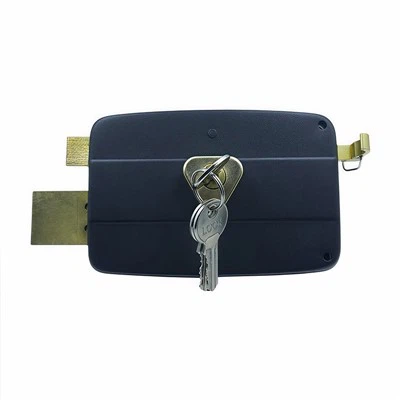
Hey there! As a rim lock supplier, I've been thinking a lot about the safety and security requirements for rim locks in educational institutions. It's a topic that's super important, and I'm excited to share my thoughts with you.
Why Safety and Security Matter in Schools
Educational institutions are places where students learn, grow, and explore. Safety and security are the foundation of a good learning environment. When students and staff feel safe, they can focus better on their studies and work. Rim locks play a crucial role in keeping schools secure. They're used on doors all over the campus, from classrooms to offices and storage rooms.
Key Safety and Security Requirements
Durability
First off, rim locks in schools need to be tough. There's a lot of traffic in educational institutions, with doors being opened and closed constantly. A flimsy lock won't last long. We need locks made from high - quality materials like stainless steel or brass. These materials can withstand wear and tear, and they're resistant to corrosion. For example, if a lock is installed on an exterior door, it'll be exposed to the elements. A durable lock can handle rain, snow, and sunlight without losing its functionality.
Ease of Use
Another important requirement is ease of use. Teachers, students, and staff shouldn't have to struggle with complicated locks. The lock mechanism should be simple to operate, whether it's a key - operated lock or a keypad - based one. In an emergency situation, like a fire or a lockdown, people need to be able to open or close the door quickly. A lock that's difficult to use can put lives at risk.
Locking Mechanisms
There are different types of locking mechanisms that can be used in educational institutions. Deadbolts are a popular choice because they provide a high level of security. They extend deep into the door frame, making it difficult for someone to force the door open. However, they also need to be easy to disengage in case of an emergency.
Combination locks are also a great option, especially for areas where multiple people need access, like storage rooms. They eliminate the need for keys, which can be lost or stolen. You can change the combination easily if needed.
Access Control
Access control is a big deal in schools. Not everyone should have access to every part of the campus. For example, the school's server room or the science lab with dangerous chemicals should be restricted. Rim locks can be integrated with access control systems, such as card readers or biometric scanners. This way, only authorized personnel can enter certain areas.
Specific Rim Locks for Educational Institutions
Side Door Lock
Side door locks are commonly used in schools. They're often installed on exterior doors that lead to the playground or the side entrance of the building. The Side Door Lock we offer is designed to be both secure and easy to use. It has a strong deadbolt mechanism that provides excellent protection against intruders. And it's made from high - quality materials, so it can stand up to the constant use and exposure to the elements.
Hotel Locks
You might be wondering why hotel locks are relevant in educational institutions. Well, some schools have dormitories or guest houses for students or visitors. The Hotel Locks we supply are perfect for these areas. They use advanced technology, like electronic key cards, which offer better security and access control. You can easily program the locks to allow access only during certain times or to specific individuals.
Privacy Lock
Privacy locks are essential for areas where students or staff need some privacy, like restrooms or counseling rooms. Our Privacy Lock is designed to provide a simple yet effective way to lock the door from the inside. It gives people the peace of mind that they won't be interrupted while they're using the facilities.
Meeting Regulatory Requirements
Educational institutions are subject to various safety and security regulations. Rim locks need to meet these standards. For example, in some areas, there are requirements for fire - rated locks. These locks are designed to prevent the spread of fire and smoke through doors. They have specific certifications and testing procedures to ensure they meet the necessary safety levels.


Installation and Maintenance
Proper installation is crucial for the effectiveness of rim locks. A poorly installed lock can be easily bypassed, even if it's a high - quality one. That's why we recommend having our professional installers set up the locks. They have the experience and knowledge to ensure that the locks are installed correctly and securely.
Maintenance is also important. Regularly checking the locks for signs of wear and tear, lubricating the moving parts, and replacing any damaged components can extend the life of the locks and keep them working properly.
Conclusion
In conclusion, the safety and security requirements for rim locks in educational institutions are quite strict. Durability, ease of use, appropriate locking mechanisms, access control, and compliance with regulations are all key factors. As a rim lock supplier, we're committed to providing high - quality locks that meet these requirements.
If you're an administrator or a decision - maker in an educational institution and you're looking for reliable rim locks, I'd love to have a chat with you. We can discuss your specific needs and find the best solutions for your school. Don't hesitate to reach out to start a conversation about how we can enhance the safety and security of your campus with our rim locks.
References
- National Fire Protection Association (NFPA) standards on door locks and access control in educational facilities.
- Local building and safety codes related to door security in schools.