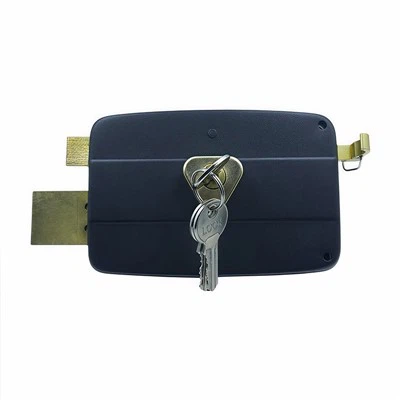
In an era where security and personal space are highly valued, the concept of a Privacy Lock has emerged as a crucial element in safeguarding our private lives. As a supplier of Privacy Locks, I am excited to delve into what exactly a Privacy Lock is, its significance, and the various types available in the market.
Understanding Privacy Locks
A Privacy Lock is a specialized type of lock designed primarily for areas where privacy is of utmost importance. These locks are commonly installed on bathroom doors, bedroom doors, and other private spaces within a home or office. The main purpose of a Privacy Lock is to provide a simple yet effective way to prevent unauthorized entry while allowing the person inside to lock and unlock the door easily.
Unlike traditional locks that require a key for both locking and unlocking, Privacy Locks often feature a simple turn - button or thumb - latch mechanism on the inside of the door. This allows the user to quickly secure the door from the inside without the need for a key. On the outside, there may be a small hole or keyway that can be used with a special tool or key in case of an emergency, such as when someone is trapped inside.
The Significance of Privacy Locks
Privacy is a fundamental human right, and Privacy Locks play a vital role in respecting and protecting this right. In a household setting, a Privacy Lock on a bathroom or bedroom door gives family members the confidence that their personal space will not be invaded. It allows individuals to relax and carry out their private activities without the fear of unexpected interruptions.
In an office environment, Privacy Locks can be installed on meeting rooms or private offices. This helps in maintaining confidentiality during important meetings or when employees need to work on sensitive projects. By providing a physical barrier, Privacy Locks contribute to a more secure and productive work environment.
Types of Privacy Locks
Self Locking Door Lock
One popular type of Privacy Lock is the Self Locking Door Lock. As the name suggests, this lock automatically locks when the door is closed. It is a convenient option for those who may forget to lock the door manually. Self - locking door locks typically use a spring - loaded mechanism that engages the bolt as soon as the door shuts. This type of lock is especially useful in areas where quick and reliable locking is required, such as bathrooms or children's bedrooms.
Small Door Lock
For smaller doors or areas where space is limited, Small Door Locks are an ideal choice. These locks are compact in size but still offer the same level of privacy and security as larger locks. Small Door Locks are often used on closet doors, utility rooms, or small storage areas. They can be easily installed and are available in a variety of styles to match different door designs.
Round Door Lock
The Round Door Lock is another type of Privacy Lock that offers a unique aesthetic appeal. The round shape of the lock gives it a classic and elegant look, making it suitable for both traditional and modern door designs. Round Door Locks are available in different finishes, such as brass, chrome, or nickel, allowing you to choose the one that best complements your door and overall decor.


Features to Consider When Choosing a Privacy Lock
When selecting a Privacy Lock, there are several features to consider to ensure that you choose the right one for your needs.
Security Level
The security level of a Privacy Lock is an important factor. Look for locks that are made from high - quality materials, such as solid brass or stainless steel. These materials are more durable and resistant to tampering. Additionally, consider the type of locking mechanism. Some locks may have a single - bolt design, while others may have multiple bolts for added security.
Ease of Use
The lock should be easy to operate, especially for the people who will be using it on a regular basis. A simple turn - button or thumb - latch mechanism on the inside of the door is often the most user - friendly option. On the outside, make sure that the emergency keyway or tool is easy to access in case of an emergency.
Aesthetic Appeal
The lock should also match the overall style and design of your door and the surrounding area. Choose a lock with a finish and design that complements your decor. Whether you prefer a modern, minimalist look or a more traditional style, there is a Privacy Lock available to suit your taste.
Installation and Maintenance of Privacy Locks
Installing a Privacy Lock is a relatively straightforward process, but it is important to follow the manufacturer's instructions carefully. Most locks come with detailed installation guides and all the necessary hardware. If you are not comfortable installing the lock yourself, it is recommended to hire a professional locksmith.
Regular maintenance is also essential to ensure the proper functioning of the lock. Keep the lock clean and lubricated to prevent rust and ensure smooth operation. Check the locking mechanism periodically to make sure that it is working correctly. If you notice any problems, such as difficulty in locking or unlocking the door, it is important to address them promptly.
Conclusion
In conclusion, a Privacy Lock is an essential component for protecting our private spaces. Whether it is in a home or an office, these locks provide the security and peace of mind that we need. As a supplier of Privacy Locks, we offer a wide range of options, including Self Locking Door Locks, Small Door Locks, and Round Door Locks, to meet the diverse needs of our customers.
If you are interested in purchasing Privacy Locks for your home or office, we invite you to contact us for more information and to discuss your specific requirements. Our team of experts is ready to assist you in choosing the right lock and ensuring a seamless installation process.
References
- American National Standards Institute (ANSI). ANSI A156.25 - 2018, Residential Mortise Locks and Latches.
- National Fire Protection Association (NFPA). NFPA 80 - 2022, Standard for Fire Doors and Other Opening Protectives.