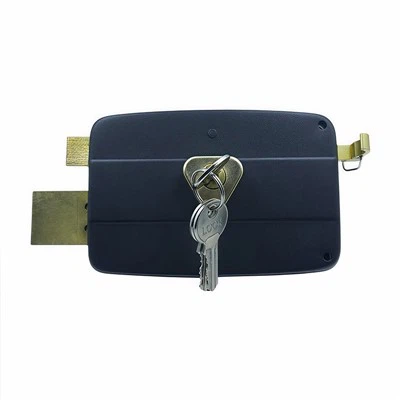
As a supplier of quarter turn latches, I often receive inquiries from customers regarding various aspects of our products. One question that has been coming up more frequently lately is about the sound level when operating a quarter turn latch. In this blog post, I will delve into this topic, exploring the factors that influence the sound level, how to measure it, and why it matters in different applications.
Understanding Quarter Turn Latches
Before we dive into the sound level, let's briefly understand what a quarter turn latch is. A quarter turn latch is a type of locking mechanism that operates by rotating a handle or key a quarter of a turn (90 degrees) to engage or disengage the latch. These latches are commonly used in a wide range of applications, including cabinets, enclosures, doors, and windows. They offer a simple and efficient way to secure access points, providing quick and easy operation.
Factors Influencing the Sound Level
Several factors can influence the sound level produced when operating a quarter turn latch. These include:
Material
The materials used in the construction of the latch play a significant role in the sound it produces. For example, latches made of metal, such as stainless steel or brass, tend to produce a louder, more distinct sound compared to those made of plastic or composite materials. Metal latches have a higher density and stiffness, which allows them to transmit sound waves more effectively. On the other hand, plastic or composite latches are generally more flexible and absorb some of the sound energy, resulting in a quieter operation.
Design
The design of the latch can also affect the sound level. Latches with a simple, straightforward design may produce less noise compared to those with complex mechanisms or moving parts. For instance, a basic quarter turn latch with a single bolt may be quieter than a latch with multiple locking points or a built - in spring - loaded mechanism. Additionally, the fit and finish of the latch components can impact the sound. A well - machined and properly aligned latch will operate more smoothly and quietly than one with loose or misaligned parts.
Installation
Proper installation is crucial for minimizing the sound level of a quarter turn latch. If the latch is not installed correctly, it may rub against the surrounding surface or create vibrations, which can increase the noise. For example, if the latch is not aligned properly with the strike plate, it may cause the bolt to jam or scrape against the plate, producing a loud, grating sound. Ensuring that the latch is installed at the correct angle and with the appropriate clearance can significantly reduce the noise during operation.
Operating Force
The amount of force applied when operating the latch can also influence the sound level. Applying excessive force can cause the latch to slam into place, resulting in a louder noise. On the other hand, using too little force may not fully engage the latch, leading to a rattling or clicking sound. Training users to apply the appropriate amount of force can help to keep the sound level to a minimum.


Measuring the Sound Level
To accurately measure the sound level when operating a quarter turn latch, we can use a sound level meter. A sound level meter is a device that measures the intensity of sound in decibels (dB). Here's a general procedure for measuring the sound level of a quarter turn latch:
- Set up the sound level meter: Place the sound level meter at a fixed distance from the latch, typically about 1 meter away. Make sure the meter is set to the appropriate frequency weighting (usually A - weighting, which is designed to approximate the human ear's response to sound).
- Operate the latch: Rotate the handle or key of the quarter turn latch a quarter of a turn to engage or disengage it. Repeat this operation several times to get an average sound level reading.
- Record the readings: Take note of the maximum and average sound level readings displayed on the sound level meter. These readings can give you an idea of how loud the latch is during operation.
Why Sound Level Matters
The sound level of a quarter turn latch can be an important consideration in various applications. Here are some reasons why:
Residential Applications
In residential settings, such as homes and apartments, a quiet - operating quarter turn latch is desirable. For example, in bedrooms or nurseries, a loud latch could disturb sleep. Similarly, in living rooms or home offices, a noisy latch may be distracting. By choosing a quarter turn latch with a low sound level, homeowners can enjoy a more peaceful and comfortable living environment.
Commercial Applications
In commercial buildings, such as offices, hospitals, and schools, the sound level of latches can also have an impact. In an office environment, a noisy latch on a cabinet or door can disrupt the work of employees. In a hospital, a loud latch could disturb patients. By selecting latches with a low sound level, businesses can create a more professional and comfortable environment for their employees and customers.
Industrial Applications
In industrial settings, the sound level of latches may not be as critical as in residential or commercial applications. However, in some cases, such as in clean rooms or noise - sensitive areas, a low - noise latch may be required. Additionally, reducing the overall noise level in an industrial facility can contribute to a safer and more comfortable working environment for employees.
Our Quarter Turn Latches and Sound Level
At our company, we understand the importance of sound level when it comes to quarter turn latches. That's why we offer a range of latches designed to operate quietly. Our latches are made from high - quality materials, with a focus on precision engineering and proper fit. We also provide detailed installation instructions to ensure that our customers can install the latches correctly and minimize the sound level.
If you are looking for a privacy lock, you can check out our Privacy Lock. For those in need of a push door lock, our Push Door Lock is a great option. And if you require a push bar lock, we recommend our Push Bar Lock.
Contact Us for Purchase and Consultation
If you are interested in our quarter turn latches or have any questions about the sound level or other aspects of our products, we encourage you to contact us. Our team of experts is ready to assist you in selecting the right latch for your specific needs. Whether you are a homeowner, a business owner, or an industrial user, we can provide you with the best solutions.
References
- "Acoustics: An Introduction to Its Physical Principles and Applications" by Allan D. Pierce.
- "Handbook of Noise Measurement" by GenRad.