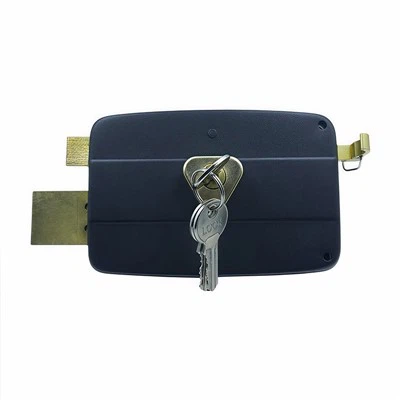
Hey there! As a supplier of small door locks, I often get asked about the locking mechanisms of these little but crucial security devices. So, let's dive right in and break down what makes a small door lock work.
Basics of Small Door Locks
First off, small door locks come in various types, each with its own unique locking mechanism. The most common ones are pin tumbler locks, wafer locks, and disc detainer locks.
Pin tumbler locks are like the OG of small door locks. You've probably seen them on your front door or bedroom door. Inside the lock cylinder, there are a series of pins. When you insert the right key, the key's ridges push the pins up to the shear line. This alignment allows the plug inside the lock to turn, and voila, the door unlocks. If the key is wrong, the pins won't line up properly, and the plug won't turn.
Wafer locks are a bit simpler. Instead of pins, they use wafers. These wafers are flat pieces that are pushed up by the key. When the wafers are at the right height, the lock can be turned. Wafer locks are often used in less - secure applications like filing cabinets or some interior doors.
Disc detainer locks are a bit more high - tech. They have rotating discs with notches. The correct key aligns the notches in the discs, allowing the lock to open. These locks are more resistant to picking compared to pin tumbler and wafer locks.
Different Types of Small Door Locks and Their Mechanisms
Shed Lock
Shed locks need to be tough and reliable. The Shed Lock we offer usually uses a heavy - duty pin tumbler mechanism. Since sheds are often outdoors, the lock needs to withstand the elements. The pins in these locks are made of durable materials like hardened steel. The key is designed to be strong and resistant to bending. The lock body is also reinforced to prevent forced entry. When you insert the key, it engages with the pins, and if the key is correct, the lock's bolt retracts, allowing you to open the shed door.
Privacy Lock
Privacy locks are commonly used in bathrooms and bedrooms. Our Privacy Lock typically uses a simple wafer lock mechanism. It's not meant to provide high - level security but rather to give you a bit of privacy. These locks often have a push - button or turn - knob on the inside of the door for locking. When you turn the button or knob, it moves a small piece inside the lock that prevents the outside key from turning the lock. To unlock from the outside, you need the key, which aligns the wafers to open the lock.
Wooden Door Lock
Wooden doors have a different aesthetic and structure compared to other doors. Our Wooden Door Lock is designed to fit well with wooden doors. It usually uses a pin tumbler mechanism, but the lock is designed to be more aesthetically pleasing. The lock faceplate is often made of brass or other decorative metals. The pins are carefully calibrated to work smoothly with the key. When you insert the key, it acts on the pins, and if the key matches the lock's configuration, the lock opens, and you can swing open your wooden door.
Factors Affecting the Locking Mechanism
Several factors can affect how well a small door lock works.
Material Quality: The quality of the materials used in the lock is crucial. For example, if the pins in a pin tumbler lock are made of low - grade metal, they can wear out quickly, making the lock easier to pick or break. High - quality steel or brass ensures that the lock lasts longer and functions properly.
Key Design: The design of the key is also important. A well - designed key has unique ridges and cuts that are difficult to duplicate. The key should fit snugly into the lock cylinder and be able to move the pins or wafers smoothly.
Environmental Conditions: As mentioned earlier, outdoor locks like shed locks are exposed to rain, snow, and extreme temperatures. These conditions can cause the lock to rust or freeze, affecting its performance. That's why we use corrosion - resistant materials in our outdoor locks.
Security Considerations
When it comes to security, different locking mechanisms offer different levels of protection. Pin tumbler locks are the most common, but they are also the most vulnerable to picking. However, with advanced pin configurations and anti - pick features, their security can be improved.
Wafer locks are the least secure of the three main types. They are relatively easy to pick, but they are sufficient for low - security applications.
Disc detainer locks offer the highest level of security among small door locks. Their complex design makes them difficult to pick, and they are often used in high - security environments.
Maintaining the Locking Mechanism
To keep your small door lock working properly, regular maintenance is essential.
Cleaning: You can use a dry cloth to wipe the lock body and keyhole regularly. If there is dirt or debris inside the keyhole, you can use a compressed air can to blow it out.


Lubrication: Use a graphite lubricant for pin tumbler and wafer locks. Avoid using oil - based lubricants as they can attract dirt and cause the lock to malfunction. For disc detainer locks, follow the manufacturer's instructions for lubrication.
Inspection: Periodically check the lock for any signs of wear or damage. If you notice that the key is not turning smoothly or the lock is making strange noises, it might be time to replace the lock.
Conclusion
So, there you have it, a rundown of the locking mechanisms of small door locks. Whether you need a Shed Lock for your outdoor storage, a Privacy Lock for your personal space, or a Wooden Door Lock to match your beautiful wooden door, understanding the locking mechanism can help you make an informed decision.
If you're interested in purchasing our high - quality small door locks, we'd love to have a chat with you. Reach out to us for more information about our products, pricing, and customization options. Let's work together to find the perfect small door lock for your needs.
References
- "The Complete Guide to Locks and Locksmithing" by Jeff Daniels
- "Security Locks: Design and Analysis" by David Smith