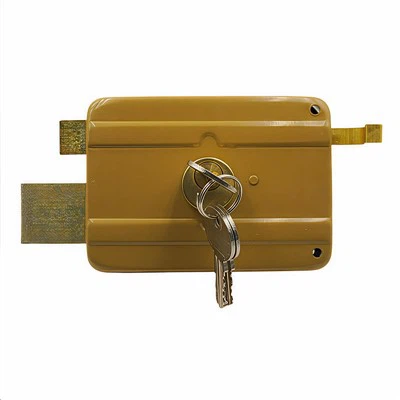
Hey there! As a supplier of Push Locks, I often get asked about the durability of these nifty little devices. So, I thought I'd take some time to break it down for you and give you the lowdown on what makes a Push Lock stand the test of time.
First off, let's talk about what a Push Lock actually is. A Push Lock is a type of door lock that's designed to be operated with a simple push or pull motion. It's commonly used on interior doors, like those in offices, hotels, and residential homes. The main advantage of a Push Lock is its ease of use - you don't need to fumble around with a key every time you want to open or close the door.
Now, when it comes to durability, there are a few key factors to consider. The first is the materials used in the construction of the lock. Most high - quality Push Locks are made from strong metals like stainless steel or brass. These materials are known for their resistance to corrosion, wear, and tear. Stainless steel, in particular, is a great choice because it's tough, doesn't rust easily, and can withstand a lot of abuse.
Another important factor is the design of the lock mechanism. A well - designed Push Lock will have a smooth and reliable operation. The internal components should be precisely engineered to ensure that the lock engages and disengages properly every time. For example, the locking pins should fit snugly into the strike plate, providing a secure hold. If the design is shoddy, the lock may jam or fail to lock properly over time.
Let's also talk about the finish of the Push Lock. A good finish not only enhances the appearance of the lock but also provides an extra layer of protection. Powder - coated finishes are popular because they're durable and resistant to scratches and fading. They can also help prevent the metal from corroding, especially in humid or harsh environments.
One of the things that I'm really proud of as a Push Lock supplier is the quality control process we have in place. Before any lock leaves our factory, it goes through a series of rigorous tests. We test the locks for their strength, durability, and functionality. We simulate thousands of opening and closing cycles to make sure that the lock will last for a long time in real - world use.
Now, let's compare Push Locks with some other types of locks. For instance, Push Bar Lock is often used on emergency exit doors. While Push Bar Locks are designed for quick and easy access in case of an emergency, they may not be as durable as Push Locks in terms of long - term, everyday use. Push Bar Locks are typically used in high - traffic areas and are subject to a lot of force when opened.
On the other hand, Privacy Lock is mainly used for bedrooms and bathrooms where privacy is important. These locks are usually less heavy - duty than Push Locks but are still built to last. They're designed to provide a simple locking mechanism for private areas.
Outdoor Lock is another type of lock. Outdoor Locks need to be extremely durable because they're exposed to the elements. They have to withstand rain, snow, heat, and cold. Push Locks can be used outdoors in some cases, but they may need to be specially treated or made from more weather - resistant materials.
In addition to the physical durability, the durability of a Push Lock also depends on how it's installed and maintained. A proper installation is crucial. If the lock isn't installed correctly, it may not function properly and may wear out faster. For example, if the strike plate isn't aligned correctly, the locking pins may not engage fully, causing unnecessary stress on the lock mechanism.
Maintenance is also important. Regular cleaning and lubrication can go a long way in extending the life of a Push Lock. You can use a mild detergent to clean the lock and a silicone - based lubricant to keep the moving parts working smoothly. Avoid using harsh chemicals or abrasive cleaners, as they can damage the finish and the internal components of the lock.
I've seen some Push Locks last for decades when they're well - made, properly installed, and maintained. However, in high - traffic areas or in environments where the lock is subject to a lot of abuse, the lifespan may be shorter. But even in these situations, a high - quality Push Lock will still outperform a cheaper, lower - quality alternative.
If you're in the market for a Push Lock, it's important to choose a reliable supplier. Look for a supplier who offers a warranty on their products. A warranty is a sign that the supplier stands behind the quality of their locks. It gives you peace of mind knowing that if something goes wrong with the lock, you're covered.
As a Push Lock supplier, I'm always happy to answer any questions you may have about the durability or any other aspect of our products. Whether you're a contractor looking for locks for a new construction project or a homeowner looking to upgrade your door locks, I can help you find the right Push Lock for your needs.
If you're interested in purchasing Push Locks, I'd love to have a chat with you. We can discuss your specific requirements, such as the style, finish, and security level you need. You can reach out to me to start a conversation about your Push Lock needs. Let's work together to find the perfect solution for your doors.


References:
- General knowledge about lock materials and design
- Industry standards for lock durability testing