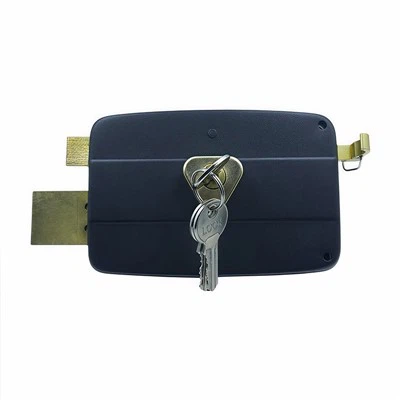
Cleaning house locks is an essential maintenance task that not only enhances the security of your home but also extends the lifespan of your locks. As a reputable House Locks supplier, I understand the importance of proper lock care and am here to share some valuable insights on how to clean your house locks effectively.


Why Cleaning House Locks is Important
Before delving into the cleaning process, it's crucial to understand why cleaning your house locks is so important. Over time, locks can accumulate dirt, dust, grime, and even debris from the environment. This buildup can cause the lock mechanism to become stiff, making it difficult to insert or turn the key. In some cases, it can even lead to the lock jamming or malfunctioning altogether.
Regular cleaning helps to remove these contaminants and ensures that the lock operates smoothly. It also prevents corrosion, which can weaken the lock and compromise its security. By keeping your locks clean, you can avoid costly repairs or replacements and maintain the integrity of your home's security system.
Tools and Materials You'll Need
To clean your house locks, you'll need a few basic tools and materials. Here's a list of what you'll need:
- Lubricant: A high-quality lubricant, such as graphite powder or silicone spray, is essential for keeping the lock mechanism running smoothly. Avoid using oil-based lubricants, as they can attract dirt and dust and cause the lock to become sticky.
- Cleaning solution: You can use a mild detergent or a specialized lock cleaner to remove dirt and grime from the lock. Make sure to choose a cleaning solution that is safe for use on metal surfaces.
- Soft brush: A soft-bristled brush, such as a toothbrush or a paintbrush, can be used to gently scrub the lock and remove any stubborn dirt or debris.
- Microfiber cloth: A microfiber cloth is ideal for wiping down the lock and removing any excess cleaning solution or lubricant.
- Key: You'll need the key to the lock to test its operation after cleaning.
Step-by-Step Guide to Cleaning Your House Locks
Now that you have all the necessary tools and materials, it's time to start cleaning your house locks. Follow these steps for a thorough and effective cleaning:
- Remove the lock from the door: If possible, remove the lock from the door to make it easier to clean. This may require using a screwdriver to remove the screws that hold the lock in place.
- Inspect the lock for damage: Before cleaning the lock, inspect it for any signs of damage, such as cracks, chips, or rust. If you notice any damage, it's best to replace the lock to ensure the security of your home.
- Clean the lock body: Dip the soft brush into the cleaning solution and gently scrub the lock body to remove any dirt or grime. Pay special attention to the keyhole and the area around the lock mechanism.
- Clean the keyhole: Insert the key into the keyhole and turn it back and forth several times to loosen any dirt or debris. Then, use the soft brush to gently scrub the inside of the keyhole.
- Rinse the lock: Once you've finished scrubbing the lock, rinse it thoroughly with clean water to remove any remaining cleaning solution. Make sure to dry the lock completely before applying lubricant.
- Apply lubricant: Apply a small amount of lubricant to the key and insert it into the keyhole. Turn the key back and forth several times to distribute the lubricant evenly throughout the lock mechanism. You can also apply lubricant to the outside of the lock, paying special attention to the moving parts.
- Reinstall the lock: Once the lock is clean and lubricated, reinstall it on the door and test its operation with the key. Make sure the lock operates smoothly and that the key inserts and turns easily.
Tips for Maintaining Your House Locks
In addition to regular cleaning, there are a few other things you can do to maintain your house locks and keep them in good working condition:
- Avoid using excessive force: When inserting or turning the key, avoid using excessive force, as this can damage the lock mechanism. If the key is difficult to insert or turn, try using a lubricant or having the lock serviced by a professional.
- Keep the keyhole clean: To prevent dirt and debris from entering the keyhole, avoid inserting dirty or wet keys into the lock. You can also use a key cover or a keychain to protect the key and keep it clean.
- Replace worn or damaged keys: Over time, keys can become worn or damaged, which can cause the lock to malfunction. If you notice any signs of wear or damage on your keys, such as a bent or broken key, it's best to replace them as soon as possible.
- Have your locks serviced regularly: Even with regular cleaning and maintenance, locks can still wear out over time. To ensure the security of your home, it's a good idea to have your locks serviced by a professional locksmith every few years.
Different Types of House Locks and Their Cleaning Requirements
There are several different types of house locks available on the market, each with its own unique cleaning requirements. Here's a brief overview of some of the most common types of house locks and how to clean them:
- Deadbolt locks: Deadbolt locks are one of the most popular types of house locks and are known for their high level of security. To clean a deadbolt lock, follow the same steps as outlined above. Make sure to pay special attention to the keyhole and the area around the lock mechanism, as these areas can accumulate dirt and debris.
- Knob locks: Knob locks are another common type of house lock and are typically used on interior doors. To clean a knob lock, remove the knob from the door and clean it using a mild detergent and a soft brush. Make sure to dry the knob completely before reinstalling it on the door.
- Lever handle locks: Lever handle locks are similar to knob locks but are easier to operate, making them a popular choice for people with disabilities or limited mobility. To clean a lever handle lock, follow the same steps as outlined above for knob locks.
- Self Locking Door Lock: Self locking door locks are designed to automatically lock when the door is closed, providing an extra layer of security. To clean a self locking door lock, follow the same steps as outlined above for other types of locks. Make sure to test the lock's self-locking mechanism after cleaning to ensure that it is working properly.
- Quarter Turn Lock: Quarter turn locks are commonly used on windows and are known for their simplicity and ease of use. To clean a quarter turn lock, remove the lock from the window and clean it using a mild detergent and a soft brush. Make sure to dry the lock completely before reinstalling it on the window.
- Push Bar Lock: Push bar locks are typically used on commercial doors and are designed to be opened by pushing on a bar. To clean a push bar lock, follow the same steps as outlined above for other types of locks. Make sure to test the lock's operation after cleaning to ensure that it is working properly.
Conclusion
Cleaning your house locks is an important maintenance task that can help to ensure the security of your home and extend the lifespan of your locks. By following the steps outlined in this guide and using the right tools and materials, you can keep your locks clean and functioning properly for years to come.
If you're in the market for high-quality house locks, look no further. As a leading House Locks supplier, we offer a wide range of locks to suit your needs and budget. Our locks are made from the highest quality materials and are designed to provide maximum security and durability.
Contact us today to learn more about our products and services and to discuss your lock needs. We look forward to working with you to enhance the security of your home.
References
- "How to Clean a Lock" by Family Handyman
- "Lock Maintenance Tips" by Home Depot
- "Types of Locks and Their Uses" by Lowe's