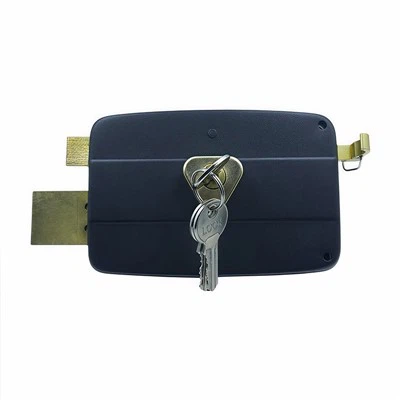
When it comes to securing shed doors, two popular types of locks often come into consideration: rim locks and mortise locks. As a supplier of shed door locks, I've had numerous customers inquire about the differences between these two types of locks. In this blog post, I'll delve into the characteristics, advantages, and disadvantages of rim locks and mortise locks for shed doors, helping you make an informed decision for your shed security needs.
Rim Locks
Rim locks are surface-mounted locks that are installed on the surface of the door and the door frame. They are typically easy to install, as they do not require extensive modifications to the door or the frame. Rim locks come in a variety of styles and designs, including Wooden Door Lock, Push Bar Lock, and Round Door Lock.
Installation
One of the main advantages of rim locks is their ease of installation. They can be installed on almost any type of shed door, including wooden, metal, and PVC doors. All you need is a drill and a few basic tools to attach the lock to the door and the frame. This makes rim locks a popular choice for DIY enthusiasts who want to save money on installation costs.
Security
Rim locks provide a decent level of security for shed doors. They are designed to prevent unauthorized entry by locking the door in place. However, they are not as secure as mortise locks, as they are more vulnerable to being forced open. Rim locks can be easily pried off the door or the frame if they are not properly installed or if they are of low quality.
Aesthetics
Rim locks come in a variety of styles and finishes, allowing you to choose a lock that matches the look of your shed door. They can add a decorative touch to your shed, making it look more attractive. However, some people may find that rim locks are too bulky or obtrusive, especially if they are installed on a small or delicate shed door.
Mortise Locks
Mortise locks are recessed locks that are installed inside the door and the door frame. They are more complex to install than rim locks, as they require a mortise, or a cavity, to be cut into the door and the frame. Mortise locks are typically more expensive than rim locks, but they offer a higher level of security.
Installation
Installing a mortise lock requires more skill and experience than installing a rim lock. You need to cut a mortise into the door and the frame, which can be a challenging task if you are not familiar with woodworking. You also need to make sure that the mortise is the correct size and shape for the lock, as any mistakes can affect the performance of the lock.


Security
Mortise locks are considered to be more secure than rim locks. They are designed to be more resistant to being forced open, as they are recessed inside the door and the frame. Mortise locks have a stronger locking mechanism than rim locks, which makes them more difficult to pick or drill.
Aesthetics
Mortise locks are more discreet than rim locks, as they are installed inside the door and the frame. They do not protrude from the surface of the door, which gives them a cleaner and more streamlined look. Mortise locks are a popular choice for people who want a high-security lock that does not detract from the appearance of their shed door.
Comparison
Now that we've discussed the characteristics of rim locks and mortise locks, let's compare them side by side.
Security
As mentioned earlier, mortise locks are generally more secure than rim locks. They are more resistant to being forced open and have a stronger locking mechanism. If you are looking for a high-security lock for your shed door, a mortise lock is the better choice.
Installation
Rim locks are easier to install than mortise locks. They do not require a mortise to be cut into the door and the frame, which makes them a popular choice for DIY enthusiasts. Mortise locks, on the other hand, require more skill and experience to install, as they require a mortise to be cut into the door and the frame.
Cost
Rim locks are generally less expensive than mortise locks. They are a more affordable option for people who are on a budget. Mortise locks, on the other hand, are more expensive due to their higher level of security and the complexity of installation.
Aesthetics
Rim locks come in a variety of styles and finishes, allowing you to choose a lock that matches the look of your shed door. They can add a decorative touch to your shed. Mortise locks, on the other hand, are more discreet and have a cleaner, more streamlined look. They are a popular choice for people who want a high-security lock that does not detract from the appearance of their shed door.
Conclusion
In conclusion, both rim locks and mortise locks have their advantages and disadvantages. Rim locks are easy to install, affordable, and come in a variety of styles. They provide a decent level of security for shed doors. Mortise locks, on the other hand, are more secure, more difficult to install, and more expensive. They have a cleaner, more streamlined look and are a popular choice for people who want a high-security lock for their shed door.
As a supplier of shed door locks, I can help you choose the right lock for your shed door based on your specific needs and budget. Whether you choose a rim lock or a mortise lock, make sure to choose a high-quality lock from a reputable manufacturer. This will ensure that your shed door is secure and that your belongings are protected.
If you are interested in purchasing shed door locks, please feel free to contact us for more information. We offer a wide range of rim locks and mortise locks at competitive prices. Our team of experts can also provide you with installation advice and support. Let's work together to secure your shed and protect your belongings.
References
- "Door Locks: A Guide to Choosing the Right Lock for Your Home." HomeAdvisor.
- "Rim Locks vs. Mortise Locks: Which is Right for Your Door?" Bob Vila.
- "The Difference Between Rim Locks and Mortise Locks." Locksmith Ledger.