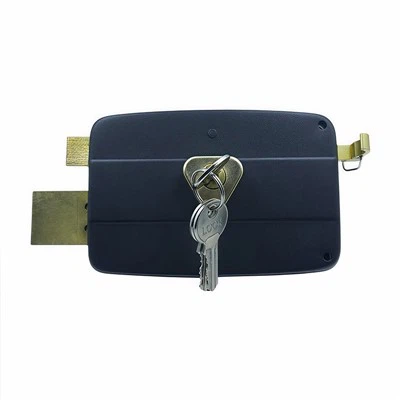
Hey there! As a push bar door lock supplier, I often get asked whether a push bar door lock can be used in a hospital. Well, let's dive right into this topic and explore the ins and outs.
First off, hospitals are unique places. They're bustling with activity, filled with patients, medical staff, and visitors coming and going all the time. Safety and security are of utmost importance here. Push bar door locks have some pretty cool features that make them a potential fit for hospital settings.
One of the main advantages of push bar door locks is their ease of use. In a hospital, quick egress is crucial, especially during emergencies like fires or medical crises. With a push bar door lock, anyone can simply push on the bar, and the door will open immediately. This is super handy for patients who might be in wheelchairs or on stretchers, as well as for staff who need to move quickly with equipment. It's a lot faster than fumbling with a traditional key or even a card reader in a high - stress situation.
Another plus is the security aspect. Push bar door locks can be designed to be quite secure. They can be installed with various locking mechanisms, such as deadbolts or electronic locks. This means that when the door is closed, it can be effectively locked to prevent unauthorized access. In a hospital, there are areas like pharmacies, storage rooms for expensive medical equipment, and restricted patient areas that need to be kept secure.
Let's talk about the different types of push bar door locks that could be suitable for hospitals. There are surface - mounted push bar locks that are relatively easy to install on existing doors. These can be a cost - effective solution for hospitals that want to upgrade their door security without major renovations. Then there are concealed push bar locks, which offer a more aesthetically pleasing look. They're built into the door, so they don't stick out as much. This can be a great option for areas where appearance matters, like the main entrances or patient rooms.
Now, I know what you're thinking. Are there any downsides? Well, like any product, there are a few things to consider. One potential issue is maintenance. Push bar door locks have moving parts, and over time, these parts can wear out. Hospitals need to have a regular maintenance schedule in place to ensure that the locks are working properly. If a lock fails during an emergency, it could be a serious problem.
Another thing is the compatibility with the hospital's existing security system. Some hospitals already have complex access control systems in place. Integrating a new push bar door lock system with these existing systems can be a bit tricky. It might require some technical expertise to make sure that everything works together smoothly.
Let's take a look at some specific areas in a hospital where push bar door locks could be used. In patient rooms, a push bar door lock can provide an extra layer of privacy and security for the patients. They can lock their doors from the inside, and medical staff can easily access the room in case of an emergency. For Wooden Door Lock, it could be a great option for patient room doors, as it can blend in well with the wooden interior of the room.
In storage rooms, especially those that store valuable medical supplies or equipment, a push bar door lock is essential. Storeroom Lock can offer the right level of security for these areas. The easy - to - use push bar feature allows staff to quickly enter and exit the storage rooms while keeping them locked when not in use.
The main entrances of a hospital also benefit from push bar door locks. These doors need to be accessible to a large number of people, including patients, visitors, and staff. Push Door Lock can be installed at the main entrances to ensure quick and easy access during normal operations and effective locking during off - hours or in case of emergencies.
When it comes to choosing the right push bar door lock for a hospital, there are several factors to consider. The first is the level of security required. Different areas of the hospital will have different security needs. For example, a research lab might need a higher level of security than a waiting room. You also need to think about the traffic flow. Areas with high traffic, like corridors and main entrances, will require a more durable push bar door lock that can withstand constant use.


The type of door is also important. Hospitals have different types of doors, including wooden, metal, and glass doors. The push bar door lock needs to be compatible with the type of door it will be installed on. Some locks are specifically designed for certain door materials, so make sure to choose the right one.
In conclusion, a push bar door lock can definitely be used in a hospital. It offers many benefits in terms of safety, security, and ease of use. However, it's important to carefully consider the specific needs of the hospital and choose the right type of lock. With proper installation, maintenance, and integration with the existing security system, a push bar door lock can be a valuable addition to any hospital.
If you're a hospital administrator, facility manager, or anyone involved in the decision - making process for door security in a hospital, I'd love to have a chat with you. We can discuss your specific requirements and find the perfect push bar door lock solution for your facility. Just reach out, and let's start the conversation about improving the safety and security of your hospital.
References
- Hospital Security Best Practices, Journal of Healthcare Security
- Push Bar Door Lock Installation and Maintenance Guide, Industry Standards Publication