As a supplier of Wooden Door Locks, I've witnessed firsthand the diverse compatibility issues that can arise when integrating these locks into different door setups. Understanding these issues is crucial for ensuring a seamless and secure installation, which is why I'm excited to share my insights with you today.
Material Compatibility
One of the primary considerations when choosing a wooden door lock is the compatibility between the lock and the door material. Wood comes in various types, each with its own unique characteristics, such as density, hardness, and grain pattern. These factors can significantly impact the performance and longevity of the lock.
For instance, softwoods like pine and cedar are relatively easy to work with but may not provide the same level of durability as hardwoods like oak or mahogany. When installing a lock on a softwood door, it's essential to use appropriate fasteners and techniques to prevent the wood from splitting or becoming damaged over time. Additionally, softwoods are more prone to warping and shrinking, which can affect the alignment of the lock and compromise its security.

On the other hand, hardwoods offer greater strength and stability but can be more challenging to drill and install. The density of hardwoods may require the use of specialized tools and techniques to ensure a proper fit. It's also important to consider the moisture content of the wood, as excessive moisture can cause the wood to expand and contract, leading to issues with the lock's operation.
Door Thickness and Configuration
Another critical factor to consider is the thickness and configuration of the door. Wooden door locks are designed to fit specific door thicknesses, and using a lock that is not compatible with the door can result in a loose or insecure fit. Most wooden door locks are available in standard sizes, but it's always a good idea to measure the door thickness accurately before making a purchase.
In addition to thickness, the configuration of the door, such as whether it is a single or double door, can also impact the choice of lock. Double doors require special locks, such as deadbolts or mortise locks, that can be installed on both doors to provide a secure closure. It's important to ensure that the locks are properly aligned and coordinated to prevent any gaps or misalignments that could compromise the security of the door.
Lock Type and Functionality
There are several types of wooden door locks available on the market, each with its own unique features and functionality. The most common types of wooden door locks include rim locks, mortise locks, deadbolts, and knob locks. When choosing a lock, it's important to consider the specific needs and requirements of the door, as well as the level of security desired.

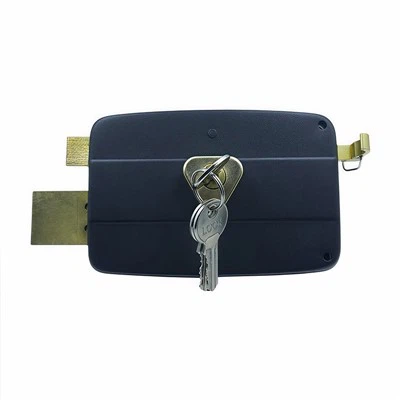
Rim locks are surface-mounted locks that are easy to install and are commonly used on exterior doors. They are available in a variety of styles and finishes to match the aesthetic of the door. However, rim locks may not provide the same level of security as mortise locks or deadbolts, as they are more vulnerable to forced entry.

Mortise locks are recessed into the edge of the door and provide a higher level of security than rim locks. They are more complex to install but offer greater durability and resistance to tampering. Mortise locks are commonly used on high-security applications, such as commercial buildings and residential entry doors.
Deadbolts are another popular type of wooden door lock that provides an additional layer of security. They are typically installed in conjunction with a knob lock or a mortise lock and require a key to lock and unlock. Deadbolts are available in single and double-cylinder models, with the double-cylinder model providing an extra level of security by requiring a key to unlock the door from both the inside and the outside.
Knob locks are the most basic type of wooden door lock and are commonly used on interior doors. They are easy to install and operate but may not provide the same level of security as other types of locks. Knob locks are typically used for privacy and convenience rather than for security purposes.
Environmental Factors
Environmental factors can also have a significant impact on the compatibility of wooden door locks. Exposure to moisture, extreme temperatures, and sunlight can cause the wood to warp, crack, or decay, which can affect the performance and longevity of the lock. It's important to choose a lock that is designed to withstand the specific environmental conditions in which it will be installed.
For outdoor applications, it's recommended to use a lock that is made from corrosion-resistant materials, such as stainless steel or brass. These materials are less likely to rust or corrode when exposed to moisture and other environmental elements. Additionally, outdoor locks should be weatherproof and have a protective finish to prevent damage from UV rays and other environmental factors.
In areas with extreme temperatures, it's important to choose a lock that is designed to operate in a wide range of temperatures. Some locks may become stiff or difficult to operate in cold weather, while others may expand or contract in hot weather, causing the lock to malfunction. It's important to choose a lock that is rated for the specific temperature range in which it will be installed.
Compatibility with Other Hardware
When installing a wooden door lock, it's important to consider the compatibility of the lock with other hardware, such as hinges, handles, and strike plates. The lock and other hardware should be designed to work together seamlessly to ensure a proper fit and operation.
For instance, the size and shape of the strike plate should match the lock's bolt or latch to ensure a secure closure. The hinges should be strong enough to support the weight of the door and the lock, and they should be properly aligned to prevent the door from sagging or rubbing against the frame. The handles should be comfortable to use and should match the style and finish of the lock.
Conclusion
In conclusion, choosing the right wooden door lock requires careful consideration of several factors, including material compatibility, door thickness and configuration, lock type and functionality, environmental factors, and compatibility with other hardware. By understanding these compatibility issues and choosing a lock that is designed to meet the specific needs and requirements of the door, you can ensure a secure and reliable installation that will provide years of trouble-free operation.
If you're in the market for a high-quality Wooden Door Lock, look no further. Our extensive range of wooden door locks is designed to meet the diverse needs of our customers, from residential to commercial applications. We offer a variety of styles, finishes, and security levels to choose from, ensuring that you can find the perfect lock for your door.
In addition to our Wooden Door Locks, we also offer a range of Outdoor Lock and Shed Door Locks that are designed to provide reliable security in outdoor and shed applications. Our outdoor locks are made from corrosion-resistant materials and are weatherproof, ensuring that they will withstand the elements and provide years of trouble-free operation.
If you have any questions or need assistance choosing the right lock for your door, please don't hesitate to contact us. Our team of experts is here to help you find the perfect lock for your needs and to ensure a seamless and secure installation. We look forward to working with you!

References
- "Wooden Door Locks: A Comprehensive Guide." Locksmith Journal, Vol. 25, No. 3, 2022.
- "Choosing the Right Lock for Your Wooden Door." Home Security Magazine, Vol. 12, No. 4, 2021.
- "Compatibility Issues with Wooden Door Locks." Building Materials Review, Vol. 18, No. 2, 2020.