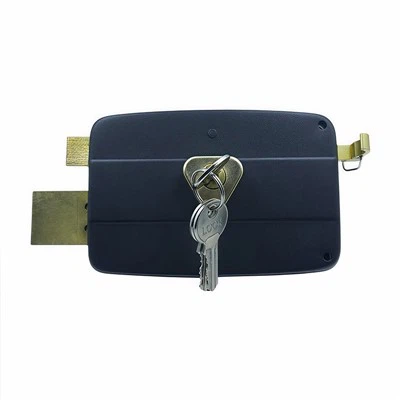
Can a garden shed lock be used on a shed door with a different thickness? This is a question that many shed owners and potential buyers often ask. As a seasoned supplier of garden shed locks, I've encountered this query numerous times, and I'm here to shed some light on the matter.
Understanding the Basics of Garden Shed Locks
Before delving into the compatibility of garden shed locks with different door thicknesses, it's essential to understand the fundamental types of garden shed locks available in the market. There are various designs, including padlocks, deadbolts, and rim locks. Each type has its unique features and installation requirements.
Padlocks are perhaps the most common type of garden shed lock. They are versatile and can be used on a variety of shed doors. However, they typically require a hasp or a staple to be installed on the door and frame, which may not be suitable for all door thicknesses. Deadbolts, on the other hand, are installed directly into the door and frame, providing a more secure locking mechanism. Rim locks are another popular option, which are mounted on the surface of the door and frame. They are relatively easy to install and can offer a good level of security.
Factors Affecting Lock Compatibility with Door Thickness
Several factors come into play when determining whether a garden shed lock can be used on a shed door with a different thickness. One of the primary considerations is the length of the lock's bolt or shackle. The bolt or shackle needs to be long enough to penetrate both the door and the frame securely. If the door is too thick, the bolt may not be able to extend far enough into the frame, compromising the lock's effectiveness. Conversely, if the door is too thin, the bolt may protrude too far, which can also pose a security risk.
Another factor to consider is the mounting requirements of the lock. Some locks are designed to fit specific door thicknesses, and their mounting holes may not align properly if the door thickness is different. This can make installation difficult or even impossible. Additionally, the lock's strike plate, which is the part that the bolt or shackle engages with, needs to be compatible with the door thickness. If the strike plate is not properly aligned or sized for the door, the lock may not function correctly.
Compatibility of Different Lock Types with Varying Door Thicknesses
Let's take a closer look at how different types of garden shed locks perform when used on doors with different thicknesses.
Padlocks: As mentioned earlier, padlocks are versatile and can be used on a wide range of door thicknesses. However, the length of the shackle needs to be appropriate for the combined thickness of the door and the hasp or staple. If the shackle is too short, it may not be able to pass through the hasp or staple, while a shackle that is too long can be easily cut or pried open. When choosing a padlock, it's important to consider the specific requirements of your shed door.
Deadbolts: Deadbolts are generally more secure than padlocks, but they are also more sensitive to door thickness. Most deadbolts are designed to fit standard door thicknesses, typically between 1 3/8 inches and 1 3/4 inches. If your shed door is thicker or thinner than this range, you may need to look for a deadbolt that is specifically designed for non - standard door thicknesses. Some deadbolts come with adjustable backset, which allows for some flexibility in installation.

Rim Locks: Rim locks are a popular choice for garden shed doors because they are easy to install and can be used on a variety of door thicknesses. However, like other locks, they also have their limitations. Rim locks typically have a fixed bolt length, so it's important to choose a lock with a bolt that is long enough to secure the door. For example, our Side Door Lock, Storeroom Lock, and Outdoor Lock are designed to be versatile and can be used on doors with different thicknesses, but it's still crucial to check the specifications before making a purchase.
Measuring Your Door Thickness
Before purchasing a garden shed lock, it's important to accurately measure the thickness of your shed door. To do this, you'll need a tape measure. Measure the door at several points, as the thickness may vary slightly from top to bottom or side to side. Take the average of these measurements to get the most accurate result.
Once you have the door thickness, you can compare it to the specifications of the lock you're considering. Most lock manufacturers provide information about the compatible door thicknesses in their product descriptions. If you're unsure, you can always contact us for assistance.
Custom Solutions for Non - Standard Door Thicknesses
In some cases, you may have a shed door with a non - standard thickness that is not compatible with off - the - shelf locks. In such situations, we offer custom solutions. Our team of experts can work with you to design and manufacture a lock that is specifically tailored to your door's thickness and other requirements. This ensures that you get a high - quality, secure lock that fits your shed door perfectly.
The Importance of Choosing the Right Lock
Choosing the right garden shed lock is crucial for the security of your shed and its contents. A lock that is not compatible with your door thickness may not provide adequate protection, leaving your shed vulnerable to theft or vandalism. Additionally, a poorly installed lock can be easily damaged or broken, rendering it useless.

When selecting a lock, it's not only about the compatibility with the door thickness but also about the overall quality and durability of the lock. Look for locks that are made from high - quality materials, such as hardened steel, and have a good reputation for security.
Conclusion
In conclusion, while some garden shed locks can be used on doors with different thicknesses, it's important to carefully consider the compatibility factors before making a purchase. Measuring your door thickness accurately and choosing a lock that is suitable for that thickness is essential for ensuring the security and functionality of your shed door.
If you're still unsure about which lock is right for your shed door, or if you have a non - standard door thickness, don't hesitate to contact us. We have a wide range of garden shed locks, including the Side Door Lock, Storeroom Lock, and Outdoor Lock, and our team of experts is always ready to assist you in finding the perfect solution for your needs. We welcome you to reach out to us for procurement discussions and look forward to helping you secure your shed.
References
- "Locksmithing: Principles and Practices" by James S. Hollis
- "The Ultimate Guide to Home Security Locks" by Security Today Magazine