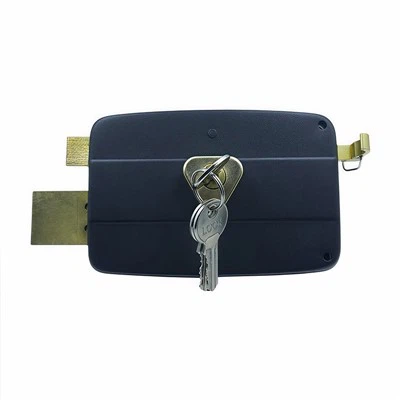
Hey there! I'm a supplier of push pad door locks, and I know firsthand how important it is to keep these locks in top - notch condition, especially when they're up against industrial pollutants. Industrial areas are full of all sorts of nasty stuff that can mess with your door locks over time. So, in this blog, I'm gonna share some tips on how to protect push pad door locks from these pollutants.
Understanding Industrial Pollutants
First things first, we need to know what we're up against. Industrial pollutants come in many forms. There are corrosive chemicals like acids and alkalis. These can be found in factories where they're used in manufacturing processes. For example, in a battery factory, sulfuric acid is used, and if there's a leak or some sort of spill, it can get into the air and land on your door locks.
Then there are particulate pollutants. These are tiny particles like dust, soot, and metal shavings. You'll often find them in construction sites, foundries, or mining areas. These particles can get into the moving parts of the push pad door lock, causing friction and eventually wearing out the components.
Another type of pollutant is moisture. In some industrial settings, there's a lot of humidity, or there could be water leaks. Moisture can lead to rusting, which is a big enemy of door locks.
Choosing the Right Material
One of the best ways to protect your push pad door locks from industrial pollutants is to choose the right material in the first place. Stainless steel is a great option. It's highly resistant to corrosion, so those acidic or alkaline pollutants won't eat away at it easily. Stainless steel also has a smooth surface, which makes it harder for particulate pollutants to stick to.
Brass is another good choice. It has natural anti - corrosive properties and looks great too. Brass locks can withstand a fair amount of moisture without rusting quickly.
If you're in an area with really harsh industrial pollutants, you might even consider locks with a special coating. Some manufacturers offer locks with a powder - coated finish. This coating acts as an extra layer of protection, preventing pollutants from directly contacting the lock material. You can check out our Push Door Lock options, which come in different materials to suit various industrial environments.
Regular Cleaning
Regular cleaning is crucial to keep your push pad door locks free from industrial pollutants. You should start by using a soft brush to remove any loose particulate pollutants like dust or metal shavings. Make sure to get into all the nooks and crannies of the lock, especially around the push pad and the keyhole.
For more stubborn dirt, you can use a mild detergent solution. Mix a little bit of dish soap with water and use a soft cloth to wipe down the lock. Avoid using abrasive cleaners or scrubbers, as they can scratch the surface of the lock, making it more vulnerable to pollutants.
After cleaning, dry the lock thoroughly. Remember, moisture can be a pollutant too, so you don't want any water left on the lock. A dry cloth or even a hair dryer on a low - heat setting can help with this.


Lubrication
Lubrication is another key step in protecting your push pad door locks. Over time, industrial pollutants can cause the moving parts of the lock to become stiff. By lubricating the lock regularly, you can reduce friction and prevent premature wear.
Use a silicone - based lubricant. It's great because it doesn't attract dust and dirt like some other lubricants. Apply a small amount of the lubricant to the keyhole, the push pad buttons, and any other moving parts of the lock. Then, work the lock a few times to distribute the lubricant evenly.
Sealing and Enclosures
In some industrial settings, you can use seals and enclosures to protect your push pad door locks. A simple rubber seal around the lock can prevent moisture and particulate pollutants from getting in. You can also use a lock enclosure, which is like a protective box for the lock.
These enclosures can be made of plastic or metal and are designed to shield the lock from direct exposure to pollutants. They're especially useful in areas with high levels of corrosive chemicals or heavy dust. Check out our Small Door Lock models, which can be easily paired with appropriate seals and enclosures.
Monitoring and Inspection
Regular monitoring and inspection of your push pad door locks are essential. Look for signs of corrosion, such as rust spots or discoloration. Check if the push pad buttons are still working smoothly or if there's any stiffness.
If you notice any problems early on, you can take action before they get worse. For example, if you see a small rust spot, you can use a rust remover and then apply a protective coating to prevent further rusting.
Protection for Outdoor Locks
If your push pad door locks are installed outdoors in an industrial area, they need extra protection. Consider installing a canopy or awning above the door to shield the lock from rain and direct sunlight. Sunlight can cause the lock material to degrade over time, especially if it's plastic or has a painted finish.
You can also use a weather - resistant cover for the lock. These covers are designed to fit over the lock and protect it from the elements. Our Shed Door Locks are often used outdoors and can benefit greatly from these additional protective measures.
Conclusion
Protecting push pad door locks from industrial pollutants is all about a combination of good material selection, regular maintenance, and appropriate protective measures. By following these tips, you can extend the lifespan of your locks and ensure they work smoothly in even the harshest industrial environments.
If you're interested in purchasing high - quality push pad door locks or need more advice on protecting them from industrial pollutants, don't hesitate to reach out. We're here to help you find the best solutions for your security needs.
References
- "Handbook of Industrial Pollution Prevention and Control"
- "Locksmithing: A Comprehensive Guide"
- Industry research on door lock durability in industrial settings.