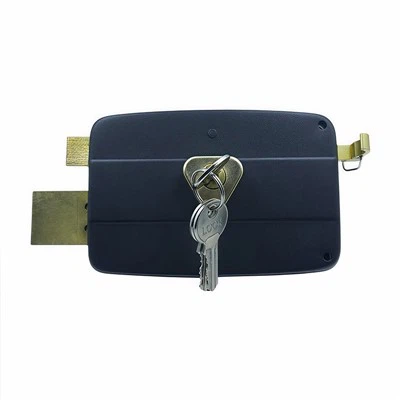
Push bar door locks are essential components in many commercial and public buildings, providing quick and easy egress in case of emergencies. However, in cold climates, these locks can face a variety of challenges that can compromise their functionality and durability. As a push bar door lock supplier, I understand the importance of protecting these locks to ensure they continue to operate effectively. In this blog post, I will share some valuable tips on how to protect a push bar door lock in a cold climate.
Understanding the Impact of Cold Weather on Push Bar Door Locks
Before delving into the protective measures, it's crucial to understand how cold weather can affect push bar door locks. Low temperatures can cause several issues, including:
- Freezing of Moving Parts: The metal components of the lock can contract in cold weather, leading to a reduction in the clearances between moving parts. This can cause the lock to become stiff or even jam, making it difficult to open or close the door.
- Moisture Infiltration: Cold air can hold less moisture than warm air. When warm, moist air inside a building comes into contact with the cold surface of the lock, condensation can form. If this moisture freezes, it can damage the lock mechanism.
- Brittleness of Materials: Some materials used in push bar door locks, such as plastics and certain metals, can become brittle in cold temperatures. This makes them more susceptible to cracking or breaking under stress.
Selecting the Right Push Bar Door Lock for Cold Climates
The first step in protecting a push bar door lock in a cold climate is to choose the right lock in the first place. Look for locks that are specifically designed for cold-weather use. These locks are typically made from materials that can withstand low temperatures without losing their flexibility or strength.
- Stainless Steel Construction: Stainless steel is an excellent choice for cold climates as it is resistant to corrosion and rust, which can be exacerbated by moisture and freezing temperatures. It also maintains its strength and ductility at low temperatures.
- Thermal Insulation: Some push bar door locks come with built-in thermal insulation to prevent the transfer of cold air from the outside to the lock mechanism. This can help reduce the risk of freezing and condensation.
Regular Maintenance and Inspection
Regular maintenance and inspection are key to keeping push bar door locks in good working condition, especially in cold climates. Here are some maintenance tasks that should be performed regularly:
- Lubrication: Apply a high-quality lubricant to the moving parts of the lock, such as the hinges, latches, and push bar mechanism. This will help keep the parts moving smoothly and prevent them from freezing. Make sure to use a lubricant that is designed for use in cold temperatures.
- Cleaning: Keep the lock clean and free of dirt, debris, and ice. Use a soft brush or cloth to remove any buildup on the lock surface and around the keyway. This will prevent the lock from jamming and ensure proper operation.
- Inspection for Damage: Regularly inspect the lock for any signs of damage, such as cracks, dents, or loose parts. If any damage is found, it should be repaired or replaced immediately to prevent further problems.
Protecting the Lock from the Elements
In addition to regular maintenance, it's important to take steps to protect the push bar door lock from the elements. Here are some ways to do this:


- Weatherstripping: Install weatherstripping around the door frame to create a seal between the door and the frame. This will help prevent cold air and moisture from entering the building and reaching the lock. Make sure the weatherstripping is in good condition and properly installed.
- Door Sweeps: Use door sweeps at the bottom of the door to prevent drafts and water from seeping in. This can help keep the lock dry and reduce the risk of freezing.
- Covering the Lock: In extreme cold conditions, consider using a lock cover to protect the lock from snow, ice, and wind. There are various types of lock covers available on the market, including plastic and fabric covers.
Dealing with Frozen Locks
Despite taking all the necessary precautions, there may still be times when a push bar door lock freezes. In such cases, it's important to know how to thaw the lock safely without causing damage.
- Use a De-icer: There are commercial de-icers available that can be sprayed directly onto the lock to melt the ice. Make sure to follow the instructions on the product carefully and use it in a well-ventilated area.
- Apply Heat: If a de-icer is not available, you can try applying heat to the lock using a hairdryer or a warm cloth. Hold the hairdryer a few inches away from the lock and move it back and forth to evenly distribute the heat. Do not use an open flame or excessive heat, as this can damage the lock.
Additional Considerations for Different Types of Buildings
The protection of push bar door locks may vary depending on the type of building. Here are some additional considerations for different types of buildings:
- Hotels: In hotels, push bar door locks are often used on emergency exits and fire doors. These locks need to be in top-notch condition at all times to ensure the safety of guests. Consider using Hotel Locks that are specifically designed for hotel applications and can withstand the wear and tear of frequent use.
- Sheds: Sheds are often exposed to the elements and may not have the same level of insulation as other buildings. For shed doors, choose Shed Door Locks that are durable and weather-resistant. Regularly check the lock for signs of damage and replace it if necessary.
- Houses: In residential settings, push bar door locks are commonly used on patio doors and garage doors. House Locks should be selected based on the security needs of the home as well as the local climate. Make sure to install the lock properly and follow the manufacturer's instructions for maintenance.
Conclusion
Protecting a push bar door lock in a cold climate requires a combination of proper selection, regular maintenance, and protection from the elements. By following the tips outlined in this blog post, you can ensure that your push bar door locks continue to operate effectively and provide the necessary security and safety in cold-weather conditions.
If you are in the market for push bar door locks or need more information on how to protect them in cold climates, please feel free to contact us. We are a leading push bar door lock supplier and can provide you with high-quality products and expert advice.
References
- American National Standards Institute (ANSI). (Year). ANSI/BHMA A156.3 - Standard for Exit Devices.
- International Building Code (IBC). (Year). IBC - Fire and Life Safety Provisions.
- National Fire Protection Association (NFPA). (Year). NFPA 101 - Life Safety Code.