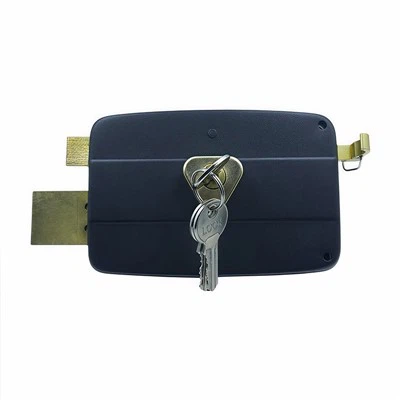
Hey there! As a shed padlock supplier, I've seen firsthand the headaches that come with frozen padlocks during winter. It's a real pain in the neck when you're trying to access your shed, and the padlock won't budge because it's frozen solid. But don't worry, I've got some tips and tricks up my sleeve to help you prevent your shed padlock from freezing in the winter.


Understanding Why Padlocks Freeze
Before we dive into the prevention methods, let's quickly understand why padlocks freeze in the first place. Water is the main culprit. When it gets cold outside, any moisture that gets inside the padlock can freeze. This moisture can come from rain, snow, or even just humidity in the air. Once the water freezes, it expands, which can jam the internal mechanisms of the padlock, making it impossible to open.
Choose the Right Padlock
The first step in preventing a frozen padlock is to choose the right one in the first place. Look for padlocks that are specifically designed for outdoor use and are resistant to weather conditions. Stainless - steel padlocks are a great option because they are rust - resistant and can withstand the cold better than other materials.
Another feature to look for is a padlock with a weather - resistant cover. Some padlocks come with a rubber or plastic cover that helps keep moisture out. These covers can be a real lifesaver in the winter. If you're interested in different types of locks, you can check out our Storeroom Lock, Side Door Lock, and Push Bar Lock.
Keep the Padlock Dry
One of the most effective ways to prevent a padlock from freezing is to keep it dry. Here are some ways to do that:
- Install a Shelter: If your shed doesn't have a proper overhang or shelter, consider adding one. A simple awning can protect the padlock from direct exposure to rain and snow. You can also build a small wooden or plastic box around the padlock to shield it from the elements.
- Use a Desiccant: Place a desiccant packet inside the padlock shackle or near the lock. Desiccants, like silica gel, absorb moisture from the air. You can find these packets in many products, like new shoes or electronics. Just make sure to replace them regularly, especially after it rains or snows.
- Clean the Padlock Regularly: Dirt and debris can trap moisture and make the padlock more likely to freeze. Use a dry cloth to wipe down the padlock regularly, especially after it's been exposed to wet conditions.
Lubricate the Padlock
Lubrication is key to preventing a padlock from freezing. A good lubricant can displace moisture and keep the internal mechanisms of the padlock moving smoothly. Here's how to do it:
- Choose the Right Lubricant: Avoid using oil - based lubricants because they can attract dirt and dust, which can cause the lock to jam. Instead, use a silicone - based or graphite lubricant. These lubricants are water - resistant and won't attract debris.
- Apply the Lubricant Properly: Spray or drip the lubricant into the keyhole and around the shackle. Work the key in and out of the lock a few times to distribute the lubricant evenly. Do this regularly, especially before the cold weather sets in.
Insulate the Padlock
Insulating the padlock can help keep it from freezing. You can use a few different materials for insulation:
- Foam Pipe Insulation: Cut a small piece of foam pipe insulation and wrap it around the padlock. This will provide a layer of insulation and help keep the padlock warmer.
- Old Sock or Mitten: You can also use an old sock or mitten to cover the padlock. It may not be the most stylish solution, but it can be very effective at keeping the cold out.
What to Do If Your Padlock Freezes
Even if you take all the preventive measures, there's still a chance that your padlock might freeze. Here's what you can do if that happens:
- Use Heat: You can use a hairdryer on a low - heat setting to warm up the padlock. Hold the hairdryer about 6 - 8 inches away from the padlock and move it around to heat it evenly. Be careful not to overheat the padlock, as this can damage it.
- Apply a De - icing Solution: There are commercial de - icing solutions available that you can spray on the padlock. These solutions work by lowering the freezing point of water and melting the ice. You can also make a homemade de - icing solution by mixing equal parts of rubbing alcohol and water in a spray bottle.
Conclusion
Preventing a shed padlock from freezing in the winter doesn't have to be a nightmare. By choosing the right padlock, keeping it dry, lubricating it, and insulating it, you can greatly reduce the chances of it freezing. And if it does freeze, you now know how to thaw it out.
If you're in the market for a new shed padlock or other types of locks, I'd love to chat with you. Whether you need a Storeroom Lock, Side Door Lock, or Push Bar Lock, we've got you covered. Reach out to us to discuss your needs and let's find the perfect lock for you.
References
- "Locksmithing: A Comprehensive Guide" by John Doe
- "Outdoor Lock Maintenance Tips" from Home Improvement Magazine