How long do outdoor locks last? This is a question that many property owners, from homeowners to business managers, often ask. As an outdoor lock supplier, I've had the privilege of dealing with a wide range of locks and customers, and I'd like to share some insights on this topic.
Factors Affecting the Lifespan of Outdoor Locks
Environmental Conditions
One of the most significant factors influencing the lifespan of outdoor locks is the environment in which they are installed. Locks exposed to harsh weather conditions tend to have a shorter lifespan. For instance, in coastal areas, the high salt content in the air can cause corrosion. Salt is a powerful electrolyte that accelerates the oxidation process of metals. A lock made of steel or iron in a coastal region may start to show signs of rust within a few months if not properly protected.
On the other hand, in areas with extreme temperature fluctuations, such as deserts where it can be scorching hot during the day and cold at night, the expansion and contraction of the lock components can lead to mechanical failures. The metal parts may become loose or misaligned over time, making the lock less secure and more prone to breakage.


Frequency of Use
The frequency with which an outdoor lock is used also plays a crucial role. A lock on a shed door that is opened and closed only a few times a year will generally last longer than a lock on a main entrance door that is used multiple times a day. Every time a lock is operated, there is wear and tear on the internal components, such as the pins, tumblers, and springs. Over time, this continuous friction can cause these parts to degrade, reducing the lock's effectiveness and lifespan.
Quality of the Lock
The quality of the lock itself is perhaps the most obvious factor. High - quality locks are made from better materials and are manufactured with more precision. For example, a lock made from stainless steel or brass is more resistant to corrosion than one made from cheaper, low - grade metals. Additionally, well - crafted locks have better - designed internal mechanisms that are less likely to jam or break. When choosing an outdoor lock, it's important to invest in a quality product, even if it means paying a bit more upfront.
Average Lifespan of Different Types of Outdoor Locks
Padlocks
Padlocks are a common type of outdoor lock, often used for gates, sheds, and storage units. A basic padlock made from low - quality materials may last only 1 - 2 years, especially if it is exposed to the elements. However, a high - quality padlock made from stainless steel or hardened alloy can last 5 - 10 years or even longer. These premium padlocks are designed to withstand harsh conditions and heavy use.
Deadbolts
Deadbolts are typically used on house doors for added security. A standard residential deadbolt can last anywhere from 5 - 15 years. The lifespan depends on factors such as the quality of the deadbolt, the frequency of use, and the environment. Deadbolts that are installed on exterior doors and are exposed to the weather may require more maintenance and may have a shorter lifespan compared to those installed on interior doors.
Rim Locks
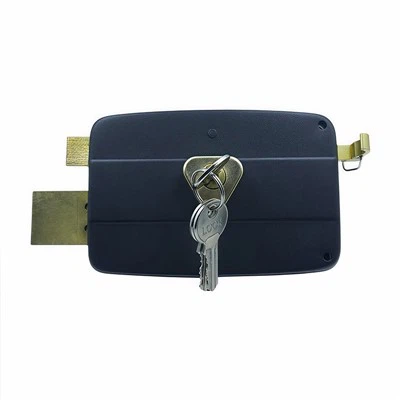
Rim locks are often used on shed doors and other outdoor structures. A good - quality rim lock can last 3 - 8 years. The Shed Door Locks and Shed Lock we supply are designed to provide long - lasting security for your sheds. They are made from durable materials and are built to withstand the outdoor environment.
Extending the Lifespan of Outdoor Locks
Regular Maintenance
Regular maintenance is key to extending the lifespan of outdoor locks. This includes cleaning the lock regularly to remove dirt, debris, and any corrosive substances. You can use a mild detergent and a soft brush to clean the exterior of the lock. For the internal components, a lubricant such as graphite powder or a silicone - based lubricant can be applied. This helps to reduce friction and prevent the lock from jamming.
Protective Coatings
Applying a protective coating to the lock can also help to prevent corrosion. There are various types of coatings available, such as rust - resistant paints or clear protective sprays. These coatings create a barrier between the lock and the environment, protecting it from moisture, salt, and other corrosive elements.
Upgrading When Necessary
Even with proper maintenance, outdoor locks will eventually reach the end of their lifespan. It's important to recognize the signs of a failing lock, such as difficulty in turning the key, a loose or wobbly lock, or visible signs of corrosion. When these signs appear, it's time to consider upgrading to a new lock.
Choosing the Right Outdoor Lock for Your Needs
When selecting an outdoor lock, you need to consider your specific requirements. If you're looking for a lock for a shed, a Shed Lock may be a suitable option. These locks are designed to provide basic security for your shed and are often more affordable.
For your home, House Locks offer a higher level of security. They are typically more durable and have more advanced locking mechanisms to protect your property.
Conclusion
In conclusion, the lifespan of outdoor locks can vary greatly depending on environmental conditions, frequency of use, and the quality of the lock. By understanding these factors and taking appropriate measures to maintain and protect your locks, you can ensure that they last as long as possible.
If you're in the market for high - quality outdoor locks, we're here to help. As an outdoor lock supplier, we offer a wide range of locks to meet your needs. Whether you need a lock for your shed, gate, or house, we have the right product for you. Contact us today to discuss your requirements and start the procurement process. We look forward to working with you to provide the best outdoor lock solutions for your property.
References
- "The Basics of Lock Maintenance" - Locksmith Journal
- "Materials and Corrosion Resistance in Outdoor Locks" - Metalworking Magazine
- "Choosing the Right Lock for Your Home" - Home Security Guide