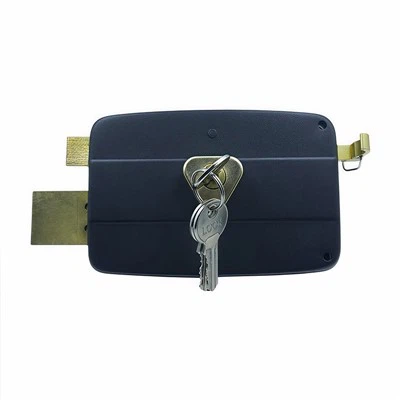
Hey there! As a storeroom lock supplier, I've seen firsthand how humidity can mess with these essential security devices. In this blog, I'm gonna break down the impacts of humidity on storeroom locks and why it's crucial to understand this relationship.
Let's start with the basics. Humidity refers to the amount of water vapor in the air. When the humidity levels are high, there's more moisture floating around, and this can spell trouble for your storeroom locks.


One of the most obvious impacts of high humidity is corrosion. Metal components in storeroom locks, like the shackles, pins, and tumblers, are particularly vulnerable. When metal is exposed to moisture for extended periods, it reacts with oxygen in the air to form rust. Rust not only weakens the structural integrity of the lock but also makes it difficult to operate. You might find that the key doesn't turn smoothly or that the lock gets jammed altogether. This can be a real headache, especially if you need quick access to your storeroom.
Another issue caused by humidity is swelling. Many storeroom locks have parts made of materials like wood or plastic. When these materials absorb moisture, they can swell. This swelling can cause the lock to fit too tightly in its housing or make the internal components rub against each other. As a result, the lock may become harder to open or close, and in some cases, it could even break.
High humidity can also affect the lubrication inside the lock. Most locks are lubricated to ensure smooth operation. However, moisture can break down the lubricant over time. When the lubricant loses its effectiveness, the friction between the moving parts of the lock increases. This not only makes the lock harder to use but also speeds up the wear and tear on the components.
Now, let's talk about how humidity can impact the security of your storeroom. A corroded or malfunctioning lock is easier to pick or force open. Criminals are always on the lookout for weak points, and a lock that's been compromised by humidity is a prime target. So, if you want to keep your valuables safe, it's essential to address the humidity issue.
So, what can you do to protect your storeroom locks from the effects of humidity? One option is to use a dehumidifier in the storeroom. A dehumidifier removes excess moisture from the air, keeping the humidity levels in check. This can significantly reduce the risk of corrosion and other humidity-related problems.
Another thing you can do is choose the right type of lock. Some locks are more resistant to humidity than others. For example, Universal Door Lock is designed to withstand harsh environmental conditions, including high humidity. These locks are often made from corrosion-resistant materials and have special coatings to protect them from moisture.
If you already have a Storeroom Lock that's been affected by humidity, you can try cleaning and lubricating it. Use a rust remover to get rid of any rust on the metal parts, and then apply a high-quality lubricant to the moving components. This can help restore the lock's functionality and extend its lifespan.
It's also important to regularly inspect your locks for signs of damage or wear. Look for rust, swelling, or any other visible issues. If you notice any problems, address them as soon as possible to prevent further damage.
In addition to the physical impacts, humidity can also have an impact on the performance of electronic locks. Electronic locks rely on electrical components to function, and moisture can cause these components to short-circuit or malfunction. This can lead to issues like the lock not responding to the key fob or keypad, or even complete failure of the lock.
If you're using an electronic Storeroom Lock, make sure it's properly sealed to prevent moisture from getting inside. You can also use a moisture-resistant cover or enclosure to protect the lock from the elements.
When it comes to choosing a lock for your storeroom, consider the specific humidity conditions in the area. If you live in a humid climate or if your storeroom is located in a damp environment, you'll need a lock that's designed to handle these conditions. Privacy Lock can be a good option, as they are often built with durability and moisture resistance in mind.
In conclusion, humidity can have a significant impact on the performance, security, and lifespan of your storeroom locks. By understanding these impacts and taking the necessary steps to protect your locks, you can ensure that your storeroom remains secure and your locks operate smoothly.
If you're in the market for a new storeroom lock or need advice on how to protect your existing locks from humidity, don't hesitate to reach out. We're here to help you find the right solution for your needs.
References:
- "The Effects of Humidity on Metal" - Journal of Materials Science
- "Lubrication and Wear in Locks" - Locksmithing Today Magazine
- "Electronic Lock Systems and Environmental Factors" - Security Technology Review