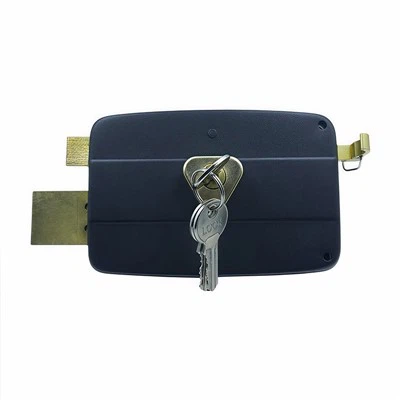
Maintaining a small door lock is crucial for its longevity and proper functionality. As a small door lock supplier, I've witnessed firsthand the importance of regular maintenance in ensuring that these locks serve their purpose effectively. In this blog post, I'll share some valuable tips on how to maintain a small door lock to keep it in top - notch condition.
Understanding the Components of a Small Door Lock
Before delving into maintenance, it's essential to understand the basic components of a small door lock. Most small door locks consist of a cylinder, a bolt, a strike plate, and various internal pins and springs. The cylinder is where you insert the key, and it rotates to operate the bolt, which extends into the strike plate to secure the door. These components work in harmony, and any malfunction in one part can affect the entire lock.
Regular Cleaning
One of the simplest yet most effective ways to maintain a small door lock is through regular cleaning. Over time, dirt, dust, and debris can accumulate inside the lock cylinder and around the bolt and strike plate. This build - up can cause the lock to become stiff and difficult to operate.
To clean the lock, start by using a can of compressed air to blow out any loose dirt and debris from the keyway and around the lock components. You can also use a soft - bristle brush to gently scrub the exterior of the lock, including the cylinder, bolt, and strike plate. For more stubborn dirt, a mild soap and water solution can be used. Dampen a cloth with the solution and wipe down the lock, then dry it thoroughly with a clean cloth.
Lubrication
Proper lubrication is another key aspect of small door lock maintenance. Lubricating the lock helps reduce friction between the moving parts, making it easier to turn the key and operate the bolt. However, it's important to use the right type of lubricant.
Graphite powder is an excellent choice for lubricating small door locks. It's dry, so it won't attract dirt and dust like some oil - based lubricants. To apply graphite powder, insert the key into the lock cylinder and then tap the graphite powder onto the key. Insert and remove the key several times to distribute the powder inside the cylinder. You can also use a graphite lubricant pen, which makes application even easier.
If you prefer an oil - based lubricant, use a light machine oil or a silicone - based lubricant. Apply a small amount to the key and insert it into the lock, then turn the key a few times to spread the lubricant. Be careful not to over - lubricate, as excess oil can attract dirt and cause the lock to malfunction.
Inspection for Wear and Tear
Regularly inspecting your small door lock for signs of wear and tear is essential. Check the key for any signs of bending or damage. A damaged key can cause excessive wear on the lock cylinder and other components. If you notice any issues with the key, have it replaced immediately.
Examine the lock cylinder for any signs of corrosion or rust. Corrosion can cause the cylinder to become stiff and difficult to turn. If you find corrosion, you can try using a rust remover to clean it. However, if the corrosion is severe, it may be necessary to replace the lock cylinder.
Inspect the bolt and strike plate for any signs of misalignment or damage. A misaligned bolt may not properly engage with the strike plate, making the lock less secure. If you notice any misalignment, you may need to adjust the strike plate or the position of the lock on the door.
Protecting the Lock from the Elements
If the small door lock is exposed to the elements, such as rain, snow, or extreme temperatures, it's important to take steps to protect it. For outdoor locks, consider using a lock cover or a weather - resistant paint to prevent corrosion and damage.
In areas with high humidity, moisture can cause the lock to rust. You can use a dehumidifier in the vicinity of the door to reduce the moisture level. Additionally, make sure the door is properly sealed to prevent water from seeping in and reaching the lock.
Different Types of Small Door Locks and Their Maintenance
There are various types of small door locks, each with its own unique maintenance requirements.


Shed Door Locks
Shed Door Locks are often used to secure storage sheds. These locks are typically exposed to the elements and may be subject to more wear and tear. In addition to the regular maintenance steps mentioned above, it's important to check the shed door for any signs of warping or damage, as this can affect the alignment of the lock. Make sure the shed door is properly hung and that the lock and strike plate are securely attached.
Side Door Lock
Side Door Lock is commonly used for side entrances of homes. These locks are used frequently, so they require regular cleaning and lubrication. Pay special attention to the keyway, as it may accumulate more dirt from daily use. Also, check the strike plate to ensure it's firmly attached to the door frame, as a loose strike plate can cause the lock to malfunction.
Self Locking Door
Self Locking Door locks are designed to automatically lock when the door is closed. These locks rely on a spring - loaded mechanism, so it's important to check the springs for any signs of wear or damage. Lubricate the springs regularly to ensure smooth operation. Also, test the self - locking feature regularly to make sure it's working properly.
When to Replace a Small Door Lock
Despite regular maintenance, there may come a time when a small door lock needs to be replaced. If the lock is severely damaged, corroded, or if it no longer functions properly despite your best efforts at maintenance, it's time to consider a replacement.
When choosing a new lock, make sure to select one that is of high quality and suitable for your specific needs. Consider factors such as the level of security required, the type of door, and the environment in which the lock will be used.
Conclusion
Maintaining a small door lock is not a complicated task, but it does require regular attention. By following the tips outlined in this blog post, you can ensure that your small door lock remains in good working condition for years to come. Whether you're using a shed door lock, a side door lock, or a self - locking door, proper maintenance is key to its longevity and functionality.
If you're in the market for high - quality small door locks or need further advice on lock maintenance, I encourage you to reach out to us for procurement and to discuss your specific requirements. We're here to help you find the perfect lock solutions for your needs.
References
- "The Complete Guide to Door Lock Maintenance" by Locksmith Journal
- "Door Lock Care and Troubleshooting" by Home Improvement Magazine