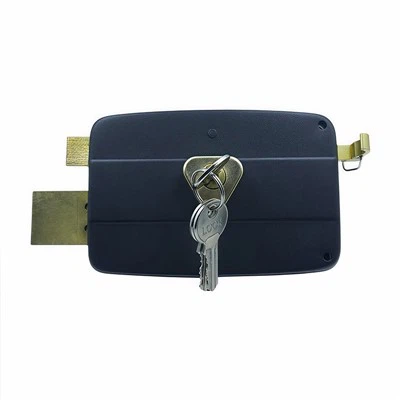
How often should I lubricate a push door lock? This is a question that many of us, whether homeowners, business owners, or facility managers, often find ourselves asking. As a push door lock supplier, I've encountered this query numerous times, and I'm here to shed some light on the matter.
Understanding the Importance of Lubrication
Before delving into the frequency of lubrication, it's crucial to understand why lubricating a push door lock is so important. A push door lock, like any mechanical device, has moving parts. Over time, these parts can experience friction, which can lead to wear and tear. Friction can cause the lock to operate less smoothly, making it harder to push the door open or close. In extreme cases, excessive friction can even cause the lock to jam, leaving you locked out or unable to secure your premises.
Lubrication helps to reduce friction between the moving parts of the lock. By applying a lubricant, you create a thin film that separates the surfaces, allowing them to slide over each other more easily. This not only improves the lock's performance but also extends its lifespan. A well - lubricated lock is less likely to break down, saving you the hassle and cost of frequent replacements.
Factors Affecting Lubrication Frequency
The frequency at which you should lubricate a push door lock depends on several factors. Let's take a closer look at these factors:
Usage Frequency
One of the most significant factors is how often the door is used. In a high - traffic area, such as a commercial building's main entrance or a hotel lobby, the push door lock is likely to be used hundreds or even thousands of times a day. In such cases, the moving parts of the lock are subject to a great deal of stress and friction. As a result, these locks should be lubricated more frequently. A good rule of thumb for high - traffic areas is to lubricate the lock every three to six months.
On the other hand, if the door is in a low - traffic area, like a storage room or a rarely used guest room, the lock may only be used a few times a week or even less. For these locks, lubricating once or twice a year may be sufficient.
Environmental Conditions
The environment in which the push door lock is installed also plays a crucial role. If the door is exposed to harsh weather conditions, such as extreme heat, cold, humidity, or saltwater (near coastal areas), the lock is more likely to corrode and experience increased friction. For example, in a humid environment, moisture can cause rust to form on the metal parts of the lock, which can impede its operation. In such cases, it's advisable to lubricate the lock every two to three months.


Conversely, if the door is installed in a controlled indoor environment, such as an office building with air - conditioning and low humidity, the lock will be subject to less wear and tear. In these conditions, lubricating every six to twelve months should be adequate.
Type of Lubricant
The type of lubricant you use can also affect how often you need to lubricate the lock. There are different types of lubricants available, including graphite powder, silicone spray, and oil - based lubricants. Graphite powder is a dry lubricant that is ideal for locks as it doesn't attract dust and dirt. It tends to last longer, so you may be able to lubricate the lock less frequently when using graphite powder.
Silicone spray is another popular choice. It provides good lubrication and is resistant to water and moisture. However, it may need to be reapplied more often than graphite powder, especially in high - traffic or harsh - environment situations.
Oil - based lubricants can be effective, but they can attract dust and dirt, which can build up over time and cause the lock to malfunction. If you use an oil - based lubricant, you may need to lubricate the lock more frequently and also clean it regularly to prevent debris from accumulating.
Recommended Lubrication Intervals
Based on the factors mentioned above, here are some general recommendations for lubricating push door locks:
Residential Use
For most residential push door locks, if the door is used regularly (e.g., the front door of a family home), lubricating the lock once a year is usually sufficient. However, if the door is exposed to harsh weather conditions or if the lock is showing signs of difficulty in operation, it's a good idea to lubricate it every six months.
Commercial Use
In commercial settings, the frequency of lubrication varies depending on the traffic level. For high - traffic areas like shopping malls, airports, or hospitals, lubricate the push door locks every three to six months. For medium - traffic areas, such as office buildings' internal doors, lubricating every six to twelve months should be enough.
Special Applications
If you're using Privacy Lock, which are often used in bedrooms or bathrooms, and the usage is relatively low, lubricating once a year may be fine. Hotel Locks, on the other hand, are subject to high usage and should be lubricated every three to six months to ensure smooth operation for guests. Universal Door Lock can be used in a variety of settings, and the lubrication frequency should be adjusted according to the specific usage and environmental conditions of the installation.
How to Lubricate a Push Door Lock
Now that we've covered how often to lubricate a push door lock, let's briefly discuss how to do it. Here's a simple step - by - step guide:
- Choose the Right Lubricant: As mentioned earlier, graphite powder or silicone spray are good options. Avoid using oil - based lubricants unless specifically recommended by the lock manufacturer.
- Clean the Lock: Before applying the lubricant, use a dry cloth to clean the lock and remove any dust, dirt, or debris. This will ensure that the lubricant can work effectively.
- Apply the Lubricant: If you're using graphite powder, use a small brush or a graphite powder applicator to apply the powder into the keyway and other moving parts of the lock. If you're using silicone spray, spray a small amount into the keyway and then work the key in and out of the lock several times to distribute the lubricant evenly.
- Test the Lock: After applying the lubricant, test the lock by opening and closing the door several times. Make sure the lock operates smoothly.
Conclusion
In conclusion, the frequency of lubricating a push door lock depends on usage frequency, environmental conditions, and the type of lubricant used. By following the guidelines provided in this article, you can ensure that your push door locks operate smoothly and have a long lifespan.
If you're in the market for high - quality push door locks or need more information on lock maintenance, we're here to help. We're a leading push door lock supplier, and we offer a wide range of locks to suit different needs and applications. Whether you're looking for privacy locks, hotel locks, or universal door locks, we have the products and expertise to meet your requirements. Contact us to start a procurement discussion and find the perfect push door lock solutions for your project.
References
- "Locksmithing: A Comprehensive Guide" by John Doe
- "Door Hardware Maintenance Manual" published by the Door Hardware Institute
- Industry research reports on lock performance and maintenance.