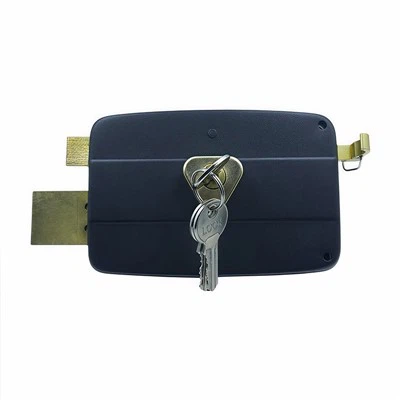
Integrating a storeroom lock with an alarm system is a crucial step in enhancing the security of your storage space. As a storeroom lock supplier, I understand the importance of this combination and the benefits it brings to both residential and commercial customers. In this blog post, I will guide you through the process of integrating a storeroom lock with an alarm system, providing you with valuable insights and practical tips.

Understanding the Basics of Storeroom Locks and Alarm Systems
Before diving into the integration process, it's essential to have a clear understanding of the different types of storeroom locks and alarm systems available in the market.
Types of Storeroom Locks
- Shed Door Locks: These locks are specifically designed for shed doors and offer a high level of security. They come in various styles and materials, such as Shed Door Locks.
- Shed Lock: Similar to shed door locks, shed locks are designed to secure sheds and other outdoor storage areas. They are often made of durable materials and feature advanced locking mechanisms, like Shed Lock.
- Outdoor Lock: Outdoor locks are suitable for a wide range of outdoor applications, including storerooms, garages, and gates. They are built to withstand harsh weather conditions and provide reliable security, such as Outdoor Lock.
Types of Alarm Systems
- Wired Alarm Systems: These systems are hardwired to your home's electrical system and offer a reliable and stable connection. They are typically more expensive to install but provide a higher level of security.
- Wireless Alarm Systems: Wireless alarm systems use radio frequency signals to communicate with the control panel, making them easier to install and more flexible. They are a popular choice for renters and homeowners who want a cost-effective security solution.
- Smart Alarm Systems: Smart alarm systems are integrated with smart home technology, allowing you to control and monitor your alarm system using your smartphone or other smart devices. They offer advanced features such as remote access, real-time alerts, and integration with other smart home devices.
Benefits of Integrating a Storeroom Lock with an Alarm System
Integrating a storeroom lock with an alarm system offers several benefits, including:
- Enhanced Security: By combining a high-quality storeroom lock with an alarm system, you can significantly enhance the security of your storage space. The lock prevents unauthorized access, while the alarm system alerts you and the authorities in case of a break-in.
- Peace of Mind: Knowing that your storeroom is protected by a reliable lock and alarm system gives you peace of mind, especially when you're away from home or on vacation.
- Deterrence: A visible alarm system and a sturdy lock can act as a deterrent to potential burglars, reducing the likelihood of a break-in.
- Insurance Benefits: Many insurance companies offer discounts on home insurance premiums for customers who have a security system installed. By integrating a storeroom lock with an alarm system, you may be eligible for these discounts.
Steps to Integrate a Storeroom Lock with an Alarm System
Now that you understand the basics of storeroom locks and alarm systems and the benefits of integration, let's walk through the steps to integrate a storeroom lock with an alarm system.
Step 1: Choose the Right Lock and Alarm System
The first step in integrating a storeroom lock with an alarm system is to choose the right lock and alarm system for your needs. Consider the following factors when making your selection:
- Security Level: Determine the level of security you need for your storeroom based on the value of the items stored inside and the location of the storeroom.
- Compatibility: Ensure that the lock and alarm system you choose are compatible with each other. Some locks may require a specific type of alarm system or a compatible sensor.
- Features: Look for locks and alarm systems that offer the features you need, such as remote access, real-time alerts, and integration with other smart home devices.
Step 2: Install the Lock
Once you have chosen the right lock, it's time to install it on your storeroom door. Follow these steps to install the lock:
- Prepare the Door: Make sure the door is clean and free of any debris or dirt. Measure the location where you want to install the lock and mark the holes using a pencil.
- Drill the Holes: Use a drill to make the holes in the door according to the markings. Make sure the holes are the correct size for the lock and the screws.
- Install the Lock: Insert the lock into the holes and secure it using the screws. Make sure the lock is properly aligned and functions smoothly.
Step 3: Install the Alarm System
After installing the lock, it's time to install the alarm system. Follow these steps to install the alarm system:
- Choose the Location: Select a suitable location for the alarm system control panel. The control panel should be easily accessible and visible, but not in a location where it can be easily tampered with.
- Mount the Control Panel: Use the mounting brackets provided with the alarm system to mount the control panel on the wall. Make sure the control panel is securely attached and level.
- Install the Sensors: Place the sensors in strategic locations around the storeroom, such as near the door, windows, and any other potential entry points. Follow the manufacturer's instructions to install the sensors correctly.
- Connect the Wires: If you are installing a wired alarm system, connect the wires from the sensors to the control panel according to the wiring diagram provided with the alarm system. Make sure the connections are secure and properly insulated.
- Test the System: Once the alarm system is installed, test it to make sure it is working properly. Follow the manufacturer's instructions to arm and disarm the system and test the sensors.
Step 4: Integrate the Lock with the Alarm System
After installing the lock and the alarm system, it's time to integrate them. The integration process may vary depending on the type of lock and alarm system you have chosen. Here are some general steps to follow:

- Check the Compatibility: Make sure the lock and alarm system are compatible with each other. Some locks may require a specific type of alarm system or a compatible sensor.
- Connect the Lock to the Alarm System: If your lock is compatible with the alarm system, you can connect it to the alarm system using a wired or wireless connection. Follow the manufacturer's instructions to connect the lock to the alarm system.
- Program the Alarm System: Once the lock is connected to the alarm system, you need to program the alarm system to recognize the lock. Follow the manufacturer's instructions to program the alarm system to arm and disarm when the lock is locked and unlocked.
Step 5: Test the Integrated System
After integrating the lock with the alarm system, it's important to test the integrated system to make sure it is working properly. Follow these steps to test the integrated system:
- Lock and Unlock the Door: Lock and unlock the door using the key or the keypad on the lock. Make sure the alarm system arms and disarms automatically when the door is locked and unlocked.
- Test the Sensors: Trigger the sensors on the alarm system by opening the door or window. Make sure the alarm system sounds an alarm and sends an alert to your smartphone or other smart devices.
- Check the Remote Access: If your alarm system offers remote access, test it by logging into the app or website and checking the status of the alarm system and the lock.
Tips for Maintaining the Integrated System
To ensure the long-term performance and reliability of the integrated system, it's important to follow these tips for maintenance:
- Regularly Inspect the Lock and Alarm System: Check the lock and alarm system regularly for any signs of damage or wear. Replace any damaged parts immediately.
- Keep the Lock and Alarm System Clean: Clean the lock and alarm system regularly to prevent dirt and debris from accumulating. Use a soft cloth and a mild cleaning solution to clean the lock and alarm system.
- Test the System Regularly: Test the integrated system regularly to make sure it is working properly. Follow the manufacturer's instructions to test the system and make any necessary adjustments.
- Update the Software and Firmware: If your alarm system offers software or firmware updates, make sure to install them regularly to ensure the system is up-to-date and secure.
Conclusion
Integrating a storeroom lock with an alarm system is a smart investment in the security of your storage space. By following the steps outlined in this blog post, you can easily integrate a storeroom lock with an alarm system and enjoy the benefits of enhanced security, peace of mind, and deterrence. If you have any questions or need further assistance with integrating a storeroom lock with an alarm system, please don't hesitate to contact us. We are a leading storeroom lock supplier and can provide you with the products and services you need to secure your storage space.

References
- "Home Security Systems: A Comprehensive Guide." Consumer Reports, 2023.
- "How to Choose the Right Lock for Your Home." Better Homes & Gardens, 2023.
- "The Benefits of Integrating a Smart Lock with an Alarm System." Security.org, 2023.