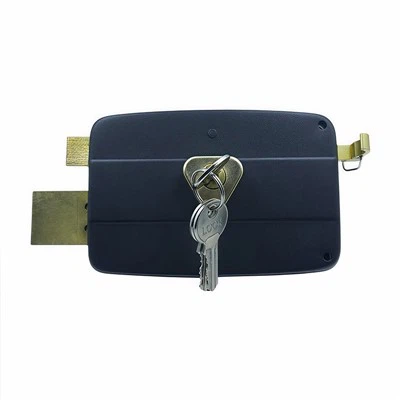
As a seasoned supplier of garden shed locks, I often get asked by customers whether they can install a garden shed lock on their own. The answer is a resounding yes, in most cases. Installing a garden shed lock is a task that can be accomplished by a DIY - enthusiast with the right tools and a bit of know - how. In this blog, I'll guide you through the process and explain why you might want to take on this project yourself.

Why Install a Garden Shed Lock Yourself?
There are several compelling reasons to install a garden shed lock on your own. Firstly, it saves money. Hiring a professional locksmith can be expensive, and for a relatively simple task like installing a garden shed lock, the cost might not be justifiable. By doing it yourself, you can put that money towards a higher - quality lock.
Secondly, it gives you a sense of accomplishment. There's nothing quite like the feeling of looking at a job well - done that you've completed with your own two hands. You'll also have the satisfaction of knowing that you've protected your garden shed and its contents.
Finally, it allows you to work at your own pace. You don't have to wait for a locksmith to fit you into their schedule. You can choose a weekend or a day off to complete the installation at your convenience.
Tools You'll Need
Before you start the installation process, you'll need to gather the necessary tools. Here's a list of what you'll typically require:

- A drill with the appropriate drill bits for the type of shed material (wood, metal, or plastic).
- A screwdriver set, including both flat - head and Phillips - head screwdrivers.
- A tape measure to ensure accurate placement of the lock.
- A pencil to mark the drill holes.
- A spirit level to make sure the lock is installed straight.
Types of Garden Shed Locks
There are various types of garden shed locks available, and the type you choose will affect the installation process.
Shed Lock
The [Shed Lock](/door - lock/rim - lock/shed - lock.html) is a popular choice for garden sheds. It is usually a rim lock, which means it is mounted on the surface of the door rather than being recessed. These locks are relatively easy to install and are available in different levels of security. They can be made of materials like steel or brass, providing durability and resistance to weather conditions.
Wooden Door Lock
If your garden shed has a wooden door, a [Wooden Door Lock](/door - lock/rim - lock/wooden - door - lock.html) might be the best option. These locks are specifically designed for wooden doors and are often more aesthetically pleasing. They can be mortise locks, which are installed inside the door, or rim locks, which are mounted on the surface.
Push Door Lock
A [Push Door Lock](/door - lock/rim - lock/push - door - lock.html) is a convenient option for those who want a simple and easy - to - use lock. It can be locked and unlocked with a simple push or pull motion. These locks are often used on shed doors that are frequently opened and closed.
Step - by - Step Installation Guide
Step 1: Prepare the Door
The first step is to clean the area of the door where the lock will be installed. Remove any dirt, dust, or debris. This will ensure a good fit and prevent any interference during the installation process.
Step 2: Measure and Mark
Use your tape measure to determine the correct placement of the lock. Most locks come with a template that you can use to mark the drill holes accurately. Place the template on the door and use a pencil to mark the holes. Make sure to use a spirit level to ensure that the template is straight.

Step 3: Drill the Holes
Once you've marked the holes, it's time to drill. Use the appropriate drill bit for the material of your shed door. If you're drilling into wood, a standard wood drill bit will work. For metal or plastic, you'll need a drill bit designed for those materials. Drill the holes carefully, applying even pressure to avoid splintering or cracking the door.
Step 4: Install the Lock
After drilling the holes, insert the lock into the holes and secure it with the screws provided. Use your screwdriver to tighten the screws, but be careful not to overtighten, as this could damage the lock or the door.
Step 5: Test the Lock
Once the lock is installed, test it to make sure it works properly. Insert the key and turn it to lock and unlock the door. Check that the latch engages and disengages smoothly. If there are any issues, you may need to adjust the lock or the strike plate.
Potential Challenges
While installing a garden shed lock is generally a straightforward process, there can be some challenges.
Uneven Doors
If your shed door is uneven, it can be difficult to install the lock properly. You may need to shim the door or adjust the hinges to make it level before installing the lock.
Rusty or Damaged Hardware
If the existing hardware on your shed door is rusty or damaged, it may need to be replaced before installing the new lock. This can add some extra time and cost to the project.
Compatibility Issues
Make sure the lock you choose is compatible with your shed door. Some locks are designed for specific door thicknesses or materials, so double - check the specifications before making a purchase.
Conclusion
Installing a garden shed lock yourself is a feasible and rewarding project. With the right tools, a bit of patience, and the information provided in this blog, you should be able to install a lock on your garden shed successfully.
If you're in the market for a high - quality garden shed lock, we offer a wide range of options to suit your needs. Whether you're looking for a [Shed Lock](/door - lock/rim - lock/shed - lock.html), a [Wooden Door Lock](/door - lock/rim - lock/wooden - door - lock.html), or a [Push Door Lock](/door - lock/rim - lock/push - door - lock.html), we've got you covered. Contact us to discuss your requirements and start the process of protecting your garden shed today.
References
- "DIY Home Security: Installing Locks" - Home Improvement Magazine
- "Garden Shed Maintenance and Security" - Gardening Today Journal