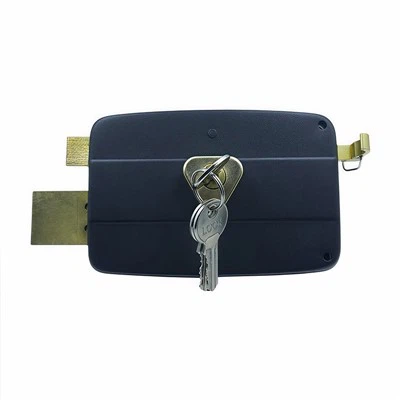
Hey there! As a small cylinder lock supplier, I often get asked, "How long do small cylinder locks last?" Well, it's not a one - size - fits - all answer, and in this blog, I'll walk you through the factors that influence their lifespan and give you a ballpark estimate.
Factors Affecting the Lifespan of Small Cylinder Locks
Quality of Materials
The materials used in making the lock play a huge role. High - quality metals like brass are known for their durability. Brass is resistant to corrosion, which is a major enemy of locks, especially in humid or coastal areas. On the other hand, locks made from lower - grade metals or alloys may start to rust or wear out much faster. For example, if a lock is made from a cheap steel that hasn't been properly treated, it can corrode within a couple of years, leading to jamming and eventually rendering the lock useless.
Frequency of Use
How often the lock is used matters a great deal. A small cylinder lock on a rarely - opened shed door will last much longer than one on a frequently - used interior door. Every time you insert and turn the key, there's a certain amount of wear and tear on the lock's internal components. If you're using a lock several times a day, the pins, tumblers, and springs inside the cylinder will experience more friction and stress, which can gradually degrade their performance.
Environmental Conditions
The environment where the lock is installed has a significant impact. If a lock is exposed to extreme temperatures, either very hot or very cold, it can cause the metal to expand or contract. This can lead to misalignment of the internal parts and make the lock difficult to operate. Moisture is another big issue. In wet or damp environments, such as a basement or an outdoor shed, the lock is at a higher risk of rusting. Even in areas with high humidity, the moisture in the air can seep into the lock and cause corrosion over time.
Installation
Proper installation is crucial for the longevity of a lock. If a lock is not installed correctly, it can put additional stress on the internal components. For example, if the strike plate is not aligned properly with the lock, the bolt may not slide in and out smoothly, causing unnecessary wear on the locking mechanism. A poorly installed lock may also be more vulnerable to forced entry attempts, which can damage the lock even further.
Average Lifespan Estimates
Under normal conditions, which means moderate use, average environmental conditions, and proper installation, a good - quality small cylinder lock can last anywhere from 5 to 15 years.
If the lock is used in a low - traffic area, like a storeroom that's only accessed occasionally, it could easily last 10 to 15 years. For instance, a Storeroom Lock installed in a company's supply closet might not be used more than a few times a week. With proper maintenance, such as occasional lubrication, it can serve you well for a long time.
On the other hand, a lock on a frequently - used door, like the front door of a busy office or a rental property, may only last 5 to 10 years. The constant use takes a toll on the lock's internal parts, and eventually, you may start to notice issues like difficulty turning the key or the lock not latching properly.
For outdoor applications, such as Shed Door Locks, the lifespan can be a bit shorter, usually around 5 to 8 years. Outdoor locks are exposed to the elements, including rain, snow, and sunlight, which can accelerate the aging process. However, if you choose a lock with good weather - resistant properties and take steps to protect it, like installing a weather shield, you can extend its lifespan.
Signs That Your Small Cylinder Lock Needs Replacement
Difficulty Turning the Key
If you find that it's becoming increasingly hard to insert or turn the key in the lock, it's a sign that something is wrong. This could be due to worn - out pins or tumblers, or it could be a result of dirt and debris getting inside the lock. In some cases, it might just need a good cleaning and lubrication, but if the problem persists, it may be time to replace the lock.
Loose or Wobbly Lock
A lock that feels loose or wobbly when you try to turn the key is a clear indication of damage. This could be caused by a broken mounting plate or worn - out screws. A loose lock is not only inconvenient but also less secure, as it may not hold up well against a forced entry attempt.
Visible Rust or Corrosion
If you notice rust or corrosion on the outside of the lock, it's likely that the internal components are also affected. Rust can cause the metal to weaken and break down, making the lock unreliable. Once rust has set in, it can be difficult to completely remove, and in most cases, replacing the lock is the best solution.
Security Concerns
If you've had a break - in attempt or if you suspect that the lock has been compromised, it's a good idea to replace it. A lock that has been tampered with may no longer provide the same level of security, and it's better to be safe than sorry.


Extending the Lifespan of Your Small Cylinder Locks
Regular Maintenance
One of the easiest ways to extend the life of a lock is to perform regular maintenance. This includes cleaning the lock periodically to remove dirt, dust, and debris. You can use a can of compressed air to blow out any particles that may have gotten inside the keyway. Lubrication is also important. You can use a graphite - based lubricant or a silicone spray to keep the internal components moving smoothly. Just be careful not to over - lubricate, as this can attract more dirt.
Protect from the Elements
If possible, protect the lock from extreme environmental conditions. You can install a weather shield over an outdoor lock to keep it dry and protected from the sun. In areas with high humidity, you can use a dehumidifier in the room where the lock is installed to reduce the moisture in the air.
Use the Right Key
Make sure you're using the correct key for the lock. Using a key that doesn't fit properly can cause unnecessary wear on the lock's internal parts. If you've lost your key, get a new one made from a professional locksmith to ensure a proper fit.
Our Small Cylinder Locks
At our company, we offer a wide range of small cylinder locks, including Small Door Lock, Storeroom Lock, and Shed Door Locks. Our locks are made from high - quality materials and are designed to withstand the rigors of daily use. We take pride in providing locks that offer both security and durability.
If you're in the market for a new small cylinder lock or you have any questions about the lifespan and maintenance of your existing locks, don't hesitate to reach out. We're here to help you find the right lock for your needs and ensure that it serves you well for years to come. Whether you're a homeowner looking to secure your shed or a business owner in need of reliable storeroom locks, we've got you covered. Contact us today to start a procurement discussion and find the perfect lock solution for you.
References
- "Locksmithing: A Complete Guide" by Jim Cassidy
- "Security Locks and Their Selection" by the American Society of Home Inspectors