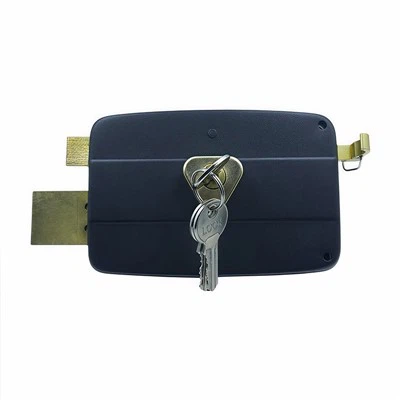
Hey there! As a push door lock supplier, I've gotten tons of questions from folks about installing these locks. One question that pops up a lot is, "Are there any special requirements for the door frame when installing a push door lock?" Well, let's dig into this topic and find out.
First off, let's talk about the basics. A push door lock, as the name suggests, is designed to be operated with a simple push. It's a convenient and practical choice for many types of doors, whether it's in your home, office, or commercial space. But to ensure that your push door lock works smoothly and securely, the door frame plays a crucial role.
Material of the Door Frame
The material of the door frame matters big time. Different materials have different characteristics, and they can affect how well the push door lock is installed and functions.
Wooden Door Frames
Wooden door frames are pretty common, especially in residential settings. They're relatively easy to work with when it comes to installing a push door lock. However, there are a few things to keep in mind.
Wood can expand and contract with changes in temperature and humidity. This means that over time, the fit of the lock might change. To counter this, you need to make sure that the holes for the lock are drilled accurately. If the holes are too big, the lock might not be secure. If they're too small, it could be difficult to install the lock properly.
When installing a push door lock on a wooden door frame, it's also a good idea to use appropriate fasteners. Screws are the most common choice, but make sure they're the right size and type for the wood. For example, if you're using a Wooden Door Lock, you'll want to use screws that are long enough to hold the lock firmly in place but not so long that they split the wood.
Metal Door Frames
Metal door frames are often used in commercial buildings because they're strong and durable. Installing a push door lock on a metal door frame can be a bit more challenging than on a wooden one.
One of the main issues is drilling into the metal. You'll need the right tools, like a high - speed steel drill bit, to make clean holes. Also, metal can be prone to corrosion, so it's important to choose a lock that's made from materials that are resistant to rust.
Some metal door frames have a hollow design. When installing a push door lock on a hollow metal door frame, you might need to use special anchors or backing plates to ensure that the lock is secure. This is because the thin metal might not provide enough support on its own.
Aluminum Door Frames
Aluminum door frames are lightweight and resistant to corrosion, making them a popular choice for both residential and commercial applications. When installing a push door lock on an aluminum door frame, you need to be careful not to damage the soft metal.
Use a drill bit that's specifically designed for aluminum. And like with metal door frames, make sure the holes are drilled accurately. You might also want to use a sealant around the lock to prevent water from getting in and causing damage.
Dimensions of the Door Frame
The dimensions of the door frame are another important factor. The size and shape of the frame need to be compatible with the push door lock you're using.
Width of the Door Frame
The width of the door frame determines how much space there is for the lock to be installed. Most push door locks are designed to fit standard door frame widths, but it's always a good idea to double - check.
If the door frame is too narrow, you might not be able to install the lock properly. On the other hand, if it's too wide, the lock might not be centered, which could affect its functionality.
Thickness of the Door Frame
The thickness of the door frame is also crucial. Different push door locks are designed for different frame thicknesses. For example, some locks are suitable for thin door frames, while others are made for thicker ones.
When choosing a push door lock, make sure to check the manufacturer's specifications for the recommended frame thickness. Using a lock that's not suitable for the thickness of your door frame can lead to problems like the lock not engaging properly or being easily forced open.


Alignment of the Door Frame
Proper alignment of the door frame is essential for the smooth operation of a push door lock. If the door frame is out of alignment, the door might not close properly, and the lock might not work as intended.
Vertical Alignment
The door frame should be perfectly vertical. If it's tilted, the door will not hang straight, and the lock might not line up correctly. This can cause the lock to jam or not engage fully.
To check the vertical alignment, you can use a spirit level. If the frame is out of alignment, you might need to adjust the hinges or shim the frame to get it straight.
Horizontal Alignment
The horizontal alignment of the door frame is also important. The top and bottom of the frame should be parallel to each other. If the frame is uneven horizontally, the door might not close evenly, and the lock might not work properly.
Surface Condition of the Door Frame
The surface condition of the door frame can affect the installation and performance of the push door lock.
Smoothness
A smooth surface is ideal for installing a push door lock. If the surface of the door frame is rough, it can make it difficult to install the lock evenly. It can also cause the lock to rub against the frame, which could lead to wear and tear over time.
Before installing the lock, you might want to sand the surface of the door frame to make it smooth. This will ensure a better fit and reduce the risk of damage to the lock.
Cleanliness
The door frame should be clean before installing the push door lock. Dirt, dust, and debris can get in the way of the installation process and affect the performance of the lock.
Use a clean cloth to wipe down the surface of the door frame. You might also want to use a mild detergent to remove any stubborn stains.
Compatibility with Other Hardware
When installing a push door lock, you need to consider its compatibility with other hardware on the door frame.
Hinges
The hinges on the door need to be in good condition and properly aligned. If the hinges are loose or damaged, the door might not close properly, which can affect the operation of the push door lock.
Make sure the hinges are the right size and type for the door and the frame. And if you're replacing the lock, check to see if the new lock is compatible with the existing hinges.
Door Handles
Some push door locks come with a built - in handle, while others are designed to work with separate door handles. If you're using a separate door handle, make sure it's compatible with the push door lock.
The handle should be easy to operate and should not interfere with the locking mechanism. Also, make sure the handle is installed at the right height and position on the door.
Conclusion
So, as you can see, there are definitely some special requirements for the door frame when installing a push door lock. From the material and dimensions to the alignment and surface condition, every aspect of the door frame can affect the installation and performance of the lock.
If you're in the market for a push door lock, we've got a great selection of Universal Door Lock and Privacy Lock options that are designed to meet different needs and door frame requirements.
If you have any questions about which lock is right for your door frame or need help with the installation process, don't hesitate to reach out. We're here to help you make the best choice for your security and convenience. Let's start a conversation and find the perfect push door lock for you!
References
- "Door Lock Installation Guide" - Various manufacturers' manuals
- "Handbook of Door and Window Technology" - Industry - specific reference book