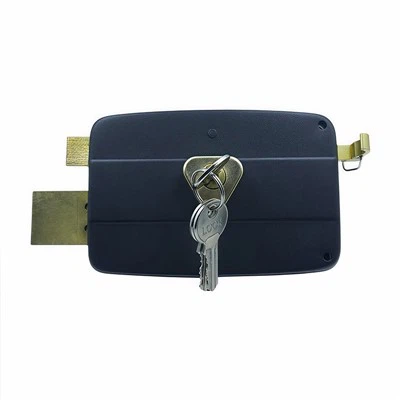
As a supplier of side door locks, I often encounter inquiries about the functionality of panic bar side door locks. These locks are crucial components in ensuring the safety and security of buildings, especially in areas where quick and easy egress is required. In this blog post, I will delve into the inner workings of panic bar side door locks, explaining how they operate and why they are an essential addition to any commercial or public space.
The Basics of a Panic Bar Side Door Lock
A panic bar side door lock, also known as an emergency exit device or crash bar, is a type of door lock designed to allow for rapid and unobstructed exit from a building in case of an emergency. It consists of a horizontal bar that spans the width of the door, typically mounted on the interior side. When pressure is applied to the bar, it releases the lock mechanism, allowing the door to swing open freely.
Components of a Panic Bar Side Door Lock
To understand how a panic bar side door lock works, it's important to familiarize yourself with its key components:
- Panic Bar: The horizontal bar that is pushed to release the lock. It is usually made of durable materials such as steel or aluminum and is designed to withstand significant force.
- Latch Assembly: This is the part of the lock that engages with the strike plate on the door frame, holding the door closed. When the panic bar is pushed, the latch is retracted, allowing the door to open.
- Strike Plate: Mounted on the door frame, the strike plate provides a secure anchor for the latch. It is typically made of metal and is designed to withstand repeated use.
- Rim Lock Body: The main housing of the lock, which contains the latch mechanism and other internal components. It is usually mounted on the surface of the door.
- Push Pad or Button: Some panic bar side door locks feature a push pad or button that can be used to release the lock without applying pressure to the entire bar. This is useful in situations where a person may not have the strength or ability to push the bar.
How a Panic Bar Side Door Lock Works
The operation of a panic bar side door lock is relatively straightforward. When a person pushes on the panic bar, the following sequence of events occurs:
- Pressure on the Panic Bar: When pressure is applied to the panic bar, it activates a linkage mechanism inside the lock body. This mechanism is designed to transfer the force from the bar to the latch assembly.
- Retraction of the Latch: As the linkage mechanism moves, it causes the latch to retract from the strike plate. This releases the door from its locked position, allowing it to swing open.
- Door Opens: Once the latch is retracted, the door can be pushed open freely. The panic bar is designed to remain in the released position until the door is closed again, ensuring that it can be opened quickly in case of an emergency.
- Re - locking the Door: When the door is closed, the latch springs back into place, engaging with the strike plate and locking the door. This process is automatic and does not require any additional action from the user.
Types of Panic Bar Side Door Locks
There are several types of panic bar side door locks available on the market, each with its own unique features and applications. Some of the most common types include:


- Surface - Mounted Panic Bars: These are the most traditional type of panic bar side door locks. They are mounted on the surface of the door and are relatively easy to install. Surface - mounted panic bars are suitable for a wide range of applications, including commercial buildings, schools, and hospitals.
- Concealed Panic Bars: Concealed panic bars are designed to be installed inside the door, providing a more aesthetically pleasing appearance. They are often used in high - end commercial buildings and residential properties where a clean and modern look is desired.
- Vertical Rod Panic Bars: Vertical rod panic bars are used on double doors and consist of two vertical rods that extend from the top and bottom of the door. When the panic bar is pushed, the rods retract, allowing both doors to open simultaneously.
Safety and Security Features
Panic bar side door locks are designed with several safety and security features to ensure the well - being of building occupants. Some of these features include:
- Emergency Egress: The primary function of a panic bar side door lock is to provide a quick and easy means of emergency egress. In case of a fire, earthquake, or other emergency, occupants can simply push on the panic bar to open the door and escape the building.
- Anti - Tampering: Panic bar side door locks are designed to prevent unauthorized tampering. They often feature built - in security mechanisms such as pick - resistant locks and tamper - proof covers.
- Fire Resistance: Many panic bar side door locks are rated for fire resistance, meaning they can withstand high temperatures for a specified period of time. This is important in preventing the spread of fire and smoke throughout a building.
Applications of Panic Bar Side Door Locks
Panic bar side door locks are used in a wide variety of applications, including:
- Commercial Buildings: Offices, retail stores, restaurants, and other commercial establishments are required by law to have panic bar side door locks installed on all emergency exits.
- Schools and Universities: Educational institutions need to ensure the safety of their students and staff in case of an emergency. Panic bar side door locks are commonly used on classroom doors, hallways, and other exits.
- Hospitals and Healthcare Facilities: In healthcare settings, quick and easy egress is essential for the safety of patients, staff, and visitors. Panic bar side door locks are used on patient rooms, operating theaters, and other critical areas.
- Hotels and Motels: Hotel Locks are another important application for panic bar side door locks. Guests need to be able to exit their rooms quickly in case of an emergency, and these locks provide a reliable solution.
- Outdoor Areas: Outdoor Lock solutions often incorporate panic bar side door locks to ensure the safety of people in outdoor structures such as warehouses, garages, and storage facilities.
Advantages of Using Our Side Door Locks
As a leading supplier of side door locks, we offer a range of high - quality panic bar side door locks that provide numerous advantages:
- Durability: Our locks are made from high - quality materials that are designed to withstand the rigors of daily use. They are built to last, ensuring long - term reliability and performance.
- Ease of Installation: Our panic bar side door locks are designed for easy installation, saving you time and money. We provide detailed installation instructions and support to ensure that the installation process goes smoothly.
- Customization Options: We understand that every building has unique requirements. That's why we offer a range of customization options, including different finishes, sizes, and locking mechanisms.
- Compliance with Standards: Our locks are designed to meet or exceed all relevant safety and security standards, ensuring that your building is in compliance with local regulations.
Why Choose Our Push Door Lock
Our Push Door Lock is a popular choice for many customers. It offers the following benefits:
- Smooth Operation: The push door lock is designed to provide smooth and effortless operation. The panic bar can be easily pushed, even with minimal force, ensuring quick and easy egress.
- Enhanced Security: Our push door lock features advanced security features such as anti - pick locks and tamper - proof covers, providing an extra layer of protection for your building.
- Aesthetic Appeal: The sleek and modern design of our push door lock adds a touch of style to any door. It is available in a variety of finishes to match the decor of your building.
Contact Us for Your Side Door Lock Needs
If you are in the market for high - quality side door locks, including panic bar side door locks, Push Door Lock, Hotel Locks, or Outdoor Lock, we encourage you to contact us. Our team of experts is ready to assist you in selecting the right lock for your specific needs. Whether you are a building owner, contractor, or facility manager, we can provide you with the information and support you need to make an informed decision.
References
- "Building Codes and Regulations for Emergency Exit Devices." International Code Council.
- "Fire and Life Safety in Commercial Buildings." National Fire Protection Association.
- "Door Hardware Handbook." Door and Hardware Institute.