


Can a garden shed lock be used in a humid climate?
Hey there! As a garden shed lock supplier, I get asked this question a lot: Can a garden shed lock be used in a humid climate? Well, let's dig into this topic and find out.

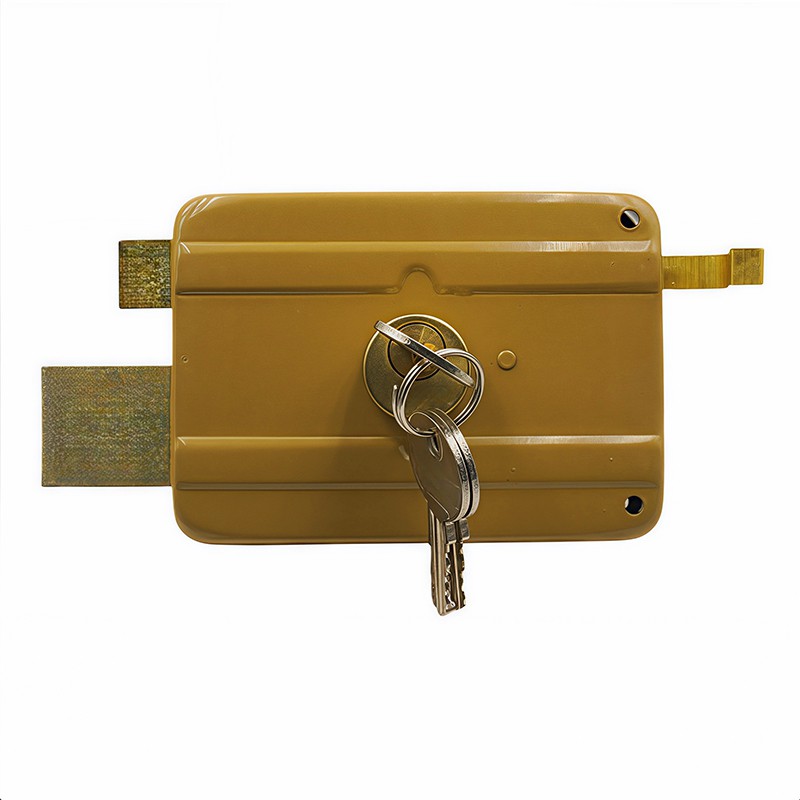
First off, we need to understand what a humid climate does to locks. Humidity means there's a high amount of moisture in the air. When this moisture comes into contact with metal parts of a lock, it can lead to rust and corrosion. Rust is like the enemy of locks. It can make the lock mechanism stiff, and in the worst - case scenario, it can even make the lock completely unusable.
Now, let's talk about the types of garden shed locks we offer. We have the Privacy Lock, which is great for those who want a bit of privacy in their shed. It's designed to keep nosy neighbors or curious critters out. Then there's the [Self Locking Door](/door-lock/rim-lock/self - locking-door.html), which is super convenient as it locks itself when you close the door. And of course, our Storeroom Lock is perfect for storing valuable tools or equipment in your shed.
But the big question remains: Can these locks handle a humid climate? The answer is, it depends.
Some of our locks are made from materials that are more resistant to rust and corrosion. For example, locks made from stainless steel are a great option. Stainless steel has a protective layer that helps prevent moisture from seeping in and causing damage. However, not all stainless steel is created equal. There are different grades, and the higher - grade ones are more resistant to corrosion in humid conditions.
Another factor to consider is the coating on the lock. A good quality powder - coated lock can provide an extra layer of protection against moisture. The powder coating acts as a barrier between the metal of the lock and the humid air. It can significantly reduce the chances of rust forming.
However, even with the best materials and coatings, there are still some things you need to do to ensure your garden shed lock lasts in a humid climate. Regular maintenance is key. You should clean your lock periodically with a dry cloth to remove any moisture that might have settled on it. You can also apply a light lubricant to the lock mechanism. This not only helps the lock work smoothly but also provides an additional layer of protection against rust.
Let's take a look at some real - world examples. I had a customer in a coastal area where the humidity is really high. They installed one of our Storeroom Lock on their garden shed. At first, they were a bit worried about how it would hold up. But after following our maintenance tips, they were really happy with the performance. The lock has been working great for over a year now, and there's no sign of rust or corrosion.
On the other hand, I've also seen cases where people didn't take proper care of their locks in a humid climate. A customer in a rainy region installed a basic lock on their shed. They didn't clean it regularly or apply any lubricant. After just a few months, the lock started to rust, and it became difficult to open and close.
So, to sum it up, yes, a garden shed lock can be used in a humid climate, but you need to choose the right lock and take proper care of it. Our Privacy Lock, [Self Locking Door](/door-lock/rim-lock/self - locking-door.html), and Storeroom Lock are all available in materials and with coatings that can handle humidity to a certain extent. But remember, regular maintenance is crucial.
If you're thinking about buying a garden shed lock for a humid area, don't hesitate to reach out. We're here to help you choose the best lock for your needs and give you all the tips and tricks for keeping it in top shape. Whether you're a DIY enthusiast looking to secure your tool shed or a homeowner wanting to protect your outdoor equipment, we've got you covered.
Contact us to start the conversation about your garden shed lock needs. We're ready to assist you in finding the perfect solution for your shed in any climate, especially those humid ones.
References
- "Locks and Their Maintenance in Harsh Environments", Journal of Home Security
- "The Effects of Humidity on Metal Components", Metal Science Review


