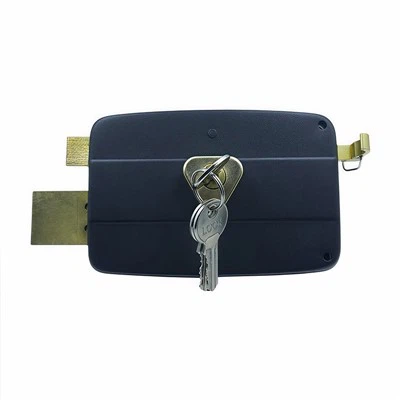
Hey there! As a garden shed lock supplier, I've had my fair share of questions about how different locks work. One of the most popular inquiries I get is about keyless entry garden shed locks. So, I thought I'd break it down for you and explain exactly how these nifty locks operate.
The Basics of Keyless Entry
First off, let's talk about what a keyless entry system is. Instead of using a traditional key to unlock a door, keyless entry systems rely on other methods like codes, fingerprints, or proximity sensors. For garden shed locks, the most common types are code - based and proximity - based systems.
Code - Based Keyless Entry
Code - based keyless entry locks are super popular. They work in a pretty straightforward way. When you set up the lock, you choose a unique code. This code is stored in the lock's internal memory.
The lock has a keypad on the outside of the shed door. When you want to unlock the shed, you enter the code on the keypad. The lock's microcontroller, which is like the brain of the lock, checks if the entered code matches the one stored in memory. If it does, the lock mechanism is triggered, and the lock disengages, allowing you to open the door.
Most of these locks allow you to change the code whenever you want. This is great if you have different people accessing the shed at different times, like a gardener or a neighbor helping out. You can give them a temporary code and then change it later for security reasons.
One of the cool things about code - based locks is that they often have a built - in error counter. If someone tries to enter the wrong code too many times, the lock will lock itself for a certain period. This helps prevent unauthorized access. For example, if you've set the error limit to 3 attempts, and someone enters the wrong code three times in a row, the lock might lock out for 5 minutes.


These locks are usually powered by batteries. You'll need to replace the batteries every so often, depending on how often the lock is used. Some models even have a low - battery indicator, so you know when it's time to swap them out.
If you're interested in a lock with great security features, you might want to check out our Privacy Lock. It offers high - level protection and can be used in a garden shed setup.
Proximity - Based Keyless Entry
Proximity - based keyless entry systems use radio frequency identification (RFID) technology. You get a small key fob or a card that has an RFID chip inside. The lock on the shed has a reader that can detect the unique signal emitted by the RFID chip.
When you approach the shed door with the key fob or card in your pocket or hand, the lock's reader picks up the signal. If the signal matches the one stored in the lock's memory, the lock unlocks automatically. It's a really convenient way to access the shed, especially if your hands are full.
The range of the proximity sensor can vary. Some locks have a short range, meaning you need to be within a few inches of the lock for it to work. Others have a longer range, allowing you to unlock the door from a couple of feet away.
Just like code - based locks, proximity - based locks are also battery - powered. You'll need to keep an eye on the battery level of the key fob or card as well as the lock itself.
Our Wooden Door Lock can be adapted to work with proximity - based systems. It's a great option if you have a wooden garden shed.
Inner Workings of the Lock Mechanism
Now that we've covered the entry methods, let's dig into the lock mechanism itself. Whether it's a code - based or proximity - based lock, the basic locking and unlocking process is similar.
Most garden shed locks use a deadbolt mechanism. A deadbolt is a solid piece of metal that slides into a strike plate on the door frame. When the lock is engaged, the deadbolt extends into the strike plate, preventing the door from being opened.
When the correct code is entered or the RFID signal is detected, an electric motor inside the lock is activated. This motor turns a series of gears or levers that cause the deadbolt to retract. Once the deadbolt is retracted, you can easily open the door.
The lock mechanism is designed to be sturdy and durable. It needs to withstand the elements, like rain, wind, and extreme temperatures. That's why many of our locks are made from high - quality materials like stainless steel or heavy - duty plastic.
Advantages of Keyless Entry Garden Shed Locks
There are several reasons why keyless entry garden shed locks are a great choice.
Convenience
No more fumbling around for keys, especially when your hands are full. With a keyless entry system, you can quickly enter a code or wave a key fob to unlock the shed. This is really handy if you're carrying gardening tools or plants.
Security
Keyless entry locks offer better security than traditional locks. With a traditional key, it's easy for someone to copy the key without you knowing. But with a keyless system, you can change the code or revoke access to a key fob at any time. Also, the built - in error counter and other security features make it harder for unauthorized people to break in.
Flexibility
You can give different codes or key fobs to different people. For example, you can give your gardener a temporary code for the days they come to work. Once their job is done, you can change the code, so they no longer have access.
Maintenance and Troubleshooting
To keep your keyless entry garden shed lock working properly, there are a few maintenance tips you should follow.
Battery Replacement
As mentioned earlier, these locks are battery - powered. Make sure to replace the batteries regularly, especially if you notice the lock is starting to respond slowly or if the low - battery indicator comes on.
Cleaning
Keep the keypad or the RFID reader clean. Dirt and debris can interfere with the operation of the lock. You can use a soft cloth and a mild cleaning solution to wipe down the surface.
If you run into any problems with the lock, like it not unlocking even when you enter the correct code, there are a few things you can try. First, check the batteries. A low - battery can sometimes cause the lock to malfunction. If the batteries are fine, try resetting the lock to its default settings. This usually involves following a specific sequence of button presses, which you can find in the lock's user manual.
If you're still having issues, don't hesitate to reach out to us. We're here to help you get your lock up and running again.
Our Self - Locking Option
If you're looking for an extra layer of security, check out our Self Locking Door Lock. This lock automatically locks when the door is closed, so you don't have to worry about forgetting to lock up.
Wrapping Up
Keyless entry garden shed locks are a great addition to any shed. They offer convenience, security, and flexibility. Whether you choose a code - based or proximity - based system, you'll be able to access your shed with ease.
If you're interested in purchasing a keyless entry garden shed lock or have any questions, feel free to contact us. We're a garden shed lock supplier with years of experience, and we're here to help you find the perfect lock for your needs. Let's start a conversation about how we can secure your garden shed!
References
- Various industry manuals on keyless entry lock technology
- Personal experience as a garden shed lock supplier