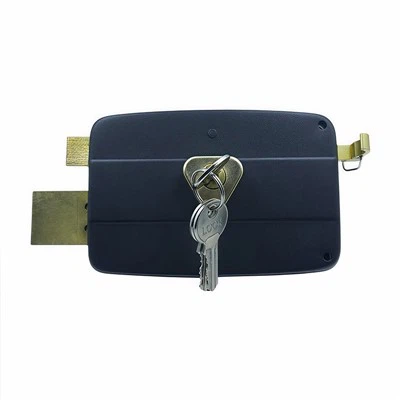
As a shed padlock supplier, I often receive inquiries from customers about the performance of our products in various environmental conditions. One question that comes up frequently is whether shed padlocks work well in cold weather. In this blog post, I'll delve into this topic, exploring the factors that can affect padlock performance in cold temperatures and offering insights to help you make informed decisions for your shed security needs.
How Cold Weather Affects Shed Padlocks
Cold weather can have several impacts on the functionality of shed padlocks. Understanding these factors is crucial for ensuring that your padlock continues to provide reliable security during the winter months.
Lubrication and Viscosity
Most padlocks are lubricated to ensure smooth operation. However, in cold weather, the lubricants used in padlocks can thicken or even freeze. This increase in viscosity can make it difficult to turn the key or operate the locking mechanism. For example, a padlock that operates smoothly at room temperature might become stiff and unresponsive when exposed to sub - zero temperatures.
Material Contraction
Metals, which are commonly used in the construction of padlocks, contract in cold weather. This contraction can cause the internal components of the padlock to fit more tightly together. In some cases, this can lead to the key not fitting properly or the locking mechanism becoming jammed. For instance, if the keyhole contracts slightly, the key may not be able to insert fully, preventing the padlock from being unlocked.
Moisture and Freezing
Moisture is another significant factor. If water gets into the padlock, it can freeze in cold weather. The expansion of water as it freezes can cause internal damage to the padlock, such as cracking the housing or breaking internal components. Moreover, ice can block the keyhole, making it impossible to insert the key. This is especially common in areas with high humidity or where the padlock is exposed to snow or rain.
Features of Cold - Resistant Shed Padlocks
To address the challenges posed by cold weather, our company offers shed padlocks with several features designed to ensure reliable performance even in frigid conditions.


Specialized Lubricants
We use high - quality, cold - resistant lubricants in our padlocks. These lubricants are formulated to maintain their fluidity at low temperatures, ensuring that the locking mechanism remains smooth and easy to operate. Unlike standard lubricants, they do not thicken or freeze, allowing the key to turn effortlessly even in extremely cold weather.
Weather - Resistant Materials
Our padlocks are constructed from weather - resistant materials. For example, we use stainless steel, which is highly resistant to corrosion and rust. Stainless steel does not contract as significantly as some other metals in cold weather, reducing the risk of the locking mechanism jamming. Additionally, the housing of our padlocks is designed to be waterproof, preventing moisture from entering and freezing inside.
Sealed Design
Many of our shed padlocks feature a sealed design. This means that the internal components are protected from the elements, reducing the risk of moisture ingress and damage. The seals prevent snow, ice, and water from getting into the keyhole and the locking mechanism, ensuring that the padlock remains functional in cold and wet conditions.
Testing and Quality Assurance
As a responsible shed padlock supplier, we conduct rigorous testing to ensure that our products meet the highest standards of performance in cold weather.
Temperature Testing
We subject our padlocks to a range of low - temperature environments in our testing facilities. This allows us to observe how the padlocks perform under different cold conditions. We test the ease of key insertion, the smoothness of the locking and unlocking mechanisms, and the overall durability of the padlock at various temperatures.
Moisture Testing
In addition to temperature testing, we also test our padlocks for moisture resistance. We simulate wet conditions, such as heavy rain or snow, to ensure that the padlocks can withstand exposure to water without being damaged. This helps us identify any potential weaknesses in the design and make necessary improvements.
Comparison with Other Lock Types
When considering shed security in cold weather, it's also worth comparing shed padlocks with other types of locks, such as Push Door Lock, Round Door Lock, and Push Lock.
Installation and Flexibility
Shed padlocks offer a high degree of flexibility in terms of installation. They can be easily attached to various types of shed doors and gates, regardless of the existing hardware. In contrast, some other lock types may require more complex installation processes, which can be challenging in cold weather conditions.
Security Level
Padlocks are known for their high security levels. They are often made with strong materials and advanced locking mechanisms, providing reliable protection for your shed. While other lock types can also offer good security, padlocks are generally more resistant to physical attacks and tampering.
Cold - Weather Performance
Our shed padlocks are specifically designed to perform well in cold weather, with features such as cold - resistant lubricants and weather - resistant materials. Some other lock types may not have these specialized features, making them more prone to problems in cold temperatures.
Tips for Using Shed Padlocks in Cold Weather
Even with high - quality, cold - resistant padlocks, there are some additional steps you can take to ensure optimal performance in cold weather.
Keep the Padlock Dry
Whenever possible, try to keep the padlock dry. You can use a waterproof cover or shelter to protect the padlock from snow and rain. If the padlock does get wet, dry it thoroughly before it has a chance to freeze.
Use a Key Lubricant
Applying a small amount of key lubricant can help prevent the key from sticking in the lock. Make sure to use a lubricant that is suitable for cold weather conditions.
Inspect the Padlock Regularly
Regularly inspect the padlock for any signs of damage or wear. Check the keyhole for ice or debris, and make sure the locking mechanism is operating smoothly. If you notice any problems, address them promptly to avoid further issues.
Conclusion
In conclusion, shed padlocks can work well in cold weather if they are designed and manufactured with the right features. Our company's shed padlocks are engineered to withstand the challenges of low temperatures, including lubrication issues, material contraction, and moisture. By choosing a high - quality, cold - resistant padlock and following the tips mentioned above, you can ensure that your shed remains secure throughout the winter months.
If you're interested in learning more about our shed padlocks or would like to discuss your specific security needs, we invite you to contact us for a purchase negotiation. Our team of experts is ready to assist you in finding the perfect padlock solution for your shed.
References
- Smith, J. (2020). "The Effects of Cold Weather on Metal Locks." Journal of Security Technology, 15(2), 45 - 52.
- Brown, A. (2019). "Choosing the Right Lock for Cold Environments." Security Today, 22(3), 67 - 73.