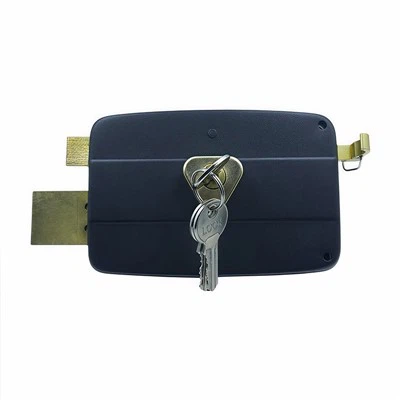
In the hospitality industry, electronic hotel locks have become an indispensable part of ensuring security and convenience for guests. As a prominent Hotel Locks supplier, I am eager to share with you the inner workings of these cutting - edge security devices.
The Basics of Electronic Hotel Locks
Electronic hotel locks are a modern alternative to traditional mechanical locks. They rely on electronic components to control the locking and unlocking process, offering enhanced security features and greater flexibility compared to their mechanical counterparts.
Components of an Electronic Hotel Lock
- Lock Cylinder or Bolt Mechanism: This is the physical part of the lock that secures the door. When the lock is engaged, the bolt extends into the strike plate on the door frame, preventing the door from opening. In an electronic hotel lock, this mechanism is controlled by an electric motor or solenoid.
- Control Panel: The control panel is where the user interacts with the lock. It can include a keypad for entering a PIN, a card reader for swiping or inserting a key card, or a proximity sensor for using a key fob. The control panel is connected to the lock's internal electronics and processes the input from the user.
- Power Source: Electronic hotel locks require a power source to operate. Most commonly, they use batteries, which are easy to replace and provide reliable power for an extended period. Some high - end locks may also be connected to the hotel's electrical system for continuous power.
- Microcontroller: The microcontroller is the brain of the electronic hotel lock. It receives signals from the control panel, processes the information, and sends commands to the lock cylinder or bolt mechanism. It also stores data such as access codes, user information, and lock usage history.
How Electronic Hotel Locks Unlock
There are several common methods for unlocking electronic hotel locks, each with its own advantages and applications.
Key Card Systems
Key card systems are the most widely used method for unlocking electronic hotel locks. Here's how they work:
- Card Encoding: When a guest checks in at the hotel, the front desk staff encodes a key card with the necessary information. This includes the room number, the check - in and check - out dates, and any other access restrictions. The encoding process uses a magnetic stripe or a chip on the card to store the data.
- Card Reading: When the guest inserts or swipes the key card into the card reader on the lock, the reader reads the data on the card. The data is then sent to the microcontroller for verification.
- Verification and Unlocking: The microcontroller compares the data on the card with the information stored in its memory. If the data matches and the access is valid, the microcontroller sends a signal to the lock cylinder or bolt mechanism to unlock the door.
Keypad Entry
Keypad entry systems allow guests to enter a PIN code to unlock the door. Here's the process:
- PIN Assignment: At check - in, the guest is given a unique PIN code. This code is also entered into the hotel's lock management system and stored in the microcontroller of the corresponding lock.
- PIN Entry: The guest enters the PIN code on the keypad of the lock. The keypad sends the entered code to the microcontroller.
- Verification and Unlocking: The microcontroller verifies the entered PIN code. If it matches the stored code and the access is valid, the lock is unlocked.
Proximity Key Fobs
Proximity key fobs are a convenient and contactless way to unlock doors.
- Fob Programming: Similar to key cards, key fobs are programmed with the guest's access information at check - in.
- Proximity Detection: When the guest approaches the door with the key fob in their pocket or hand, the lock's proximity sensor detects the presence of the fob. The sensor sends a signal to the microcontroller.
- Unlocking: The microcontroller verifies the fob's information and, if valid, unlocks the door.
Security Features of Electronic Hotel Locks
Electronic hotel locks offer several security features to protect guests and hotel property.
Access Control
One of the main advantages of electronic hotel locks is the ability to control access. Hotel management can easily assign and revoke access rights for guests, staff, and maintenance personnel. For example, a guest's access can be restricted to their own room and specific common areas, while staff members can be given access to multiple rooms or areas as needed.
Audit Trails
Electronic hotel locks keep a detailed audit trail of all lock activities. This includes information such as the time and date of each unlock, the access method used (key card, PIN, etc.), and the user who performed the action. Audit trails can be used for security monitoring, troubleshooting, and compliance purposes.
Anti - Tampering and Anti - Bumping
Modern electronic hotel locks are designed to be resistant to tampering and bumping. They use advanced locking mechanisms and encryption technologies to prevent unauthorized access. For example, some locks have sensors that detect if someone is trying to force the lock open or use a bump key, and they can trigger an alarm or lock down the door.
Integration with Hotel Systems
Electronic hotel locks can be integrated with other hotel systems for enhanced functionality and management.
Property Management System (PMS)
Integration with the PMS allows for seamless check - in and check - out processes. When a guest checks in, the PMS automatically sends the access information to the corresponding lock. When the guest checks out, the access rights are immediately revoked.
Alarm and Surveillance Systems
Electronic hotel locks can be connected to the hotel's alarm and surveillance systems. In case of a security breach, such as an unauthorized access attempt, the lock can trigger an alarm and send a signal to the surveillance system to record the event.
Types of Electronic Hotel Locks
As a Hotel Locks supplier, we offer a variety of electronic hotel locks to meet different needs.
Privacy Lock
Privacy locks are designed for guest rooms and provide an additional layer of security for guests. They can be locked from the inside using a thumbturn or a button, and can only be unlocked from the outside using a master key or a special access code.
Hotel Locks
Our standard hotel locks are suitable for most hotel applications. They come in different styles and finishes to match the hotel's decor, and offer a range of features such as key card access, PIN entry, and audit trails.
Outdoor Lock
Outdoor locks are designed for use in areas such as hotel entrances, pool gates, and storage areas. They are weather - resistant and offer high - level security to protect against outdoor elements and unauthorized access.


Conclusion
Electronic hotel locks play a crucial role in the hospitality industry, providing security, convenience, and flexibility for both guests and hotel management. As a leading Hotel Locks supplier, we are committed to providing high - quality, reliable, and innovative electronic hotel locks to meet the diverse needs of our customers.
If you are in the market for electronic hotel locks or have any questions about our products, we encourage you to contact us for a detailed discussion. Our team of experts is ready to assist you in finding the perfect solution for your hotel's security needs. Let's work together to enhance the security and comfort of your guests.
References
- "Security and Technology in the Hospitality Industry" - Hospitality Technology Journal
- "Electronic Lock Systems: Principles and Applications" - Locksmithing Handbook
- "Integrating Hotel Systems for Enhanced Efficiency" - Hotel Management Review