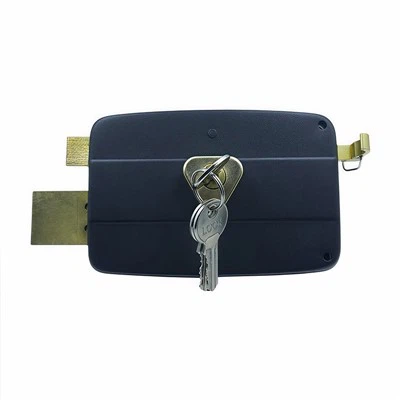
Are self - locking doors good for exterior use?


As a supplier of self - locking doors, I've been asked this question countless times. Self - locking doors have become increasingly popular in recent years, and for good reason. But when it comes to exterior use, there are several factors to consider.
Advantages of Self - Locking Doors for Exterior Use
Enhanced Security
One of the primary benefits of self - locking doors for exterior applications is the heightened security they provide. With a Self Locking Door Lock, you don't have to worry about forgetting to lock the door behind you. This is especially crucial for exterior doors, as they are the first line of defense against unauthorized entry. Whether it's a residential home or a commercial building, a self - locking door can significantly reduce the risk of break - ins.
For example, in a busy household, family members may be in a hurry when leaving the house. They might forget to lock the door, leaving the property vulnerable. A self - locking door eliminates this risk. In a commercial setting, such as a store or an office, it ensures that the premises are secure at all times, even when employees are distracted or in a rush.
Convenience
Self - locking doors offer unparalleled convenience. You can simply close the door behind you, and it will lock automatically. This is particularly useful in situations where your hands are full. For instance, if you're carrying groceries or equipment into your home or business, you don't have to fumble for a key to lock the door. It saves time and makes your daily routine more efficient.
Durability
Most self - locking door locks are designed to be robust and long - lasting. They are built to withstand the elements, such as rain, wind, and extreme temperatures. This makes them suitable for exterior use, where they are exposed to harsh environmental conditions. High - quality self - locking locks are made from materials like stainless steel or brass, which are resistant to corrosion and wear.
Disadvantages of Self - Locking Doors for Exterior Use
Risk of Lock - Outs
One of the most significant drawbacks of self - locking doors for exterior use is the risk of lock - outs. If you accidentally leave your keys inside the building, you'll be locked out. This can be a major inconvenience, especially if you're in a hurry or don't have access to a spare key. In some cases, it may even require the services of a locksmith, which can be costly.
Limited Accessibility
Self - locking doors may pose challenges for people with disabilities or limited mobility. For example, individuals who use wheelchairs or have difficulty reaching for a key may find it difficult to operate the door. Some self - locking systems may require a certain level of physical dexterity to unlock, which can be a barrier for some users.
Cost
High - quality self - locking doors and locks can be more expensive than traditional doors and locks. The initial investment may be higher, which can be a deterrent for some homeowners or businesses on a tight budget. Additionally, if the lock malfunctions, the cost of repair or replacement can also be significant.
Considerations for Different Exterior Settings
Residential Use
In a residential setting, self - locking doors can be a great addition. They enhance the security of your home and provide convenience for your family. However, it's important to have a plan in place for dealing with lock - outs. You could keep a spare key with a neighbor or use a key - hiding device outside the home.
It's also crucial to choose a self - locking system that is suitable for your home's style and architecture. There are various types of self - locking locks available, from traditional deadbolts to more advanced electronic locks.
Commercial Use
For commercial buildings, self - locking doors are often a necessity. They help protect valuable assets and ensure the safety of employees and customers. In a hotel, for example, Hotel Locks are designed to provide maximum security and convenience for guests. They can be programmed to allow access only to authorized individuals, and they can be easily reprogrammed if a key is lost or stolen.
In a storeroom, Storeroom Lock can prevent unauthorized access to inventory and equipment. These locks are typically more heavy - duty and may have additional security features, such as tamper - proof mechanisms.
Mitigating the Disadvantages
Preventing Lock - Outs
To reduce the risk of lock - outs, you can implement several strategies. Keep a spare key in a secure location outside the building, such as a key - safe hidden in a discreet spot. You can also provide spare keys to trusted neighbors or family members. Some modern self - locking systems also offer alternative methods of unlocking, such as keyless entry using a code or a smartphone app.
Improving Accessibility
To make self - locking doors more accessible, you can choose locks that are easy to operate. For example, some electronic locks can be opened with a simple touch or a proximity sensor. You can also install ramps or other accessibility features to make it easier for people with disabilities to approach and operate the door.
Managing Costs
While self - locking doors may have a higher upfront cost, they can save you money in the long run. The enhanced security can reduce the risk of theft and damage, which can save you from potential losses. Additionally, you can shop around for the best deals and compare different brands and models to find a self - locking system that fits your budget.
Conclusion
Self - locking doors can be a great option for exterior use, offering enhanced security, convenience, and durability. However, they also come with some drawbacks, such as the risk of lock - outs, limited accessibility, and higher costs. By carefully considering these factors and taking appropriate measures to mitigate the disadvantages, you can make an informed decision about whether self - locking doors are right for your exterior needs.
If you're interested in learning more about our self - locking doors and locks, or if you'd like to discuss your specific requirements, please feel free to reach out to us. We're here to help you find the best solution for your home or business.
References
- "Security and Access Control Systems Handbook" by Richard C. Hughes
- "Building Construction Handbook" by Edward Allen and Joseph Iano
- Industry reports on door and lock technologies