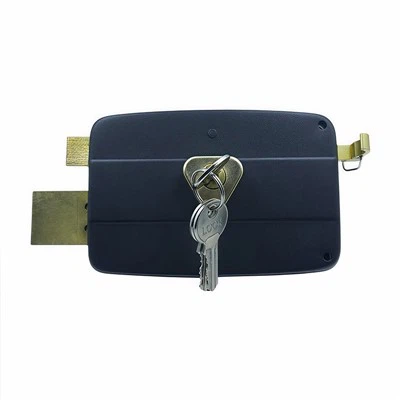
Hey there! As a push lock supplier, I often get asked this question: "Do push locks have a limited number of locking cycles?" Well, let's dive right into it and explore this topic in detail.
First off, what exactly are push locks? Push locks are a type of door lock that you can operate with a simple push or pull motion. They're super convenient and are used in a variety of settings, like homes, offices, and hotels. You can check out some of our different types of push locks, such as the Privacy Lock, Storeroom Lock, and Hotel Locks.
Now, back to the main question. Do push locks have a limited number of locking cycles? The short answer is yes, but it's not as straightforward as it might seem.
Understanding Locking Cycles
A locking cycle refers to the complete operation of locking and unlocking a lock. Every time you lock and then unlock a push lock, that counts as one cycle. Over time, all mechanical components of a lock will experience wear and tear, and push locks are no exception.
The number of locking cycles a push lock can endure depends on several factors. One of the most important factors is the quality of the materials used in the lock's construction. High - quality metals, like stainless steel or brass, are more durable and can withstand a greater number of cycles compared to cheaper materials.
For example, a push lock made from low - grade steel might start to show signs of wear after just a few thousand cycles. On the other hand, a well - crafted push lock made from high - quality brass could potentially handle hundreds of thousands of cycles before any significant issues arise.
Quality of Manufacturing
Another crucial factor is the quality of the manufacturing process. A lock that is precisely engineered and assembled with tight tolerances will generally have a longer lifespan in terms of locking cycles. When a lock is made with care, all the internal components fit together perfectly, reducing friction and wear.
Our company takes great pride in the manufacturing of our push locks. We use state - of - the - art machinery and strict quality control measures to ensure that each lock meets the highest standards. This means that our locks can handle a large number of locking cycles without losing their functionality.
Environmental Factors
The environment in which the push lock is installed also plays a big role. If a lock is exposed to harsh conditions, such as extreme temperatures, high humidity, or corrosive substances, its lifespan in terms of locking cycles will be reduced.
For instance, in a coastal area where the air is salty, the metal parts of a push lock can corrode more quickly. This corrosion can cause the internal components to stick or jam, reducing the number of successful locking cycles. Similarly, in a very hot and dry environment, the lubricants inside the lock can dry out, leading to increased friction and premature wear.
Usage Patterns
How the push lock is used can also impact its number of locking cycles. If a lock is used frequently, say in a busy office building where the door is opened and closed hundreds of times a day, it will reach its maximum number of cycles faster than a lock in a rarely - used storage room.
However, it's important to note that even with heavy usage, a well - made push lock can still last a long time. We've had customers who have used our push locks in high - traffic areas for years without any major problems.
Testing and Certification
To give you an idea of the durability of our push locks, we conduct extensive testing. Our locks are tested to meet industry standards for the number of locking cycles. For example, many of our locks are tested to withstand at least 100,000 locking cycles without failure.
These tests are carried out in a controlled environment, simulating real - world usage. We also have some of our locks certified by independent testing agencies, which gives you an extra level of confidence in the quality and durability of our products.
Signs of Wear
So, how can you tell if your push lock is reaching the end of its locking cycle lifespan? There are a few signs to look out for. If you notice that the lock is becoming harder to operate, either when locking or unlocking, it could be a sign of wear. You might also hear strange noises, like grinding or clicking, when using the lock.


Another sign is if the lock starts to become loose or if the bolt doesn't fully extend or retract. These issues can indicate that the internal components are wearing out and that the lock may need to be replaced soon.
Extending the Lifespan of Push Locks
There are some things you can do to extend the lifespan of your push locks. Regular maintenance is key. You can lubricate the lock periodically with a silicone - based lubricant. This helps to reduce friction and keep the internal components moving smoothly.
It's also important to keep the lock clean. Wipe away any dirt or debris that might accumulate around the keyhole or the locking mechanism. This can prevent the dirt from getting inside the lock and causing damage.
Conclusion
In conclusion, yes, push locks do have a limited number of locking cycles. But with high - quality materials, excellent manufacturing, proper installation, and regular maintenance, you can ensure that your push lock lasts for a long time.
If you're in the market for a reliable push lock, whether it's a Privacy Lock, Storeroom Lock, or Hotel Locks, we've got you covered. Our locks are designed to provide long - lasting performance and security.
If you're interested in purchasing our push locks or have any questions about our products, feel free to reach out to us. We're always happy to help you find the right lock for your needs and answer any concerns you might have. Let's start a conversation about your locking requirements and see how we can work together!
References
- Industry standards for lock durability testing
- Internal research and testing reports from our manufacturing facilities