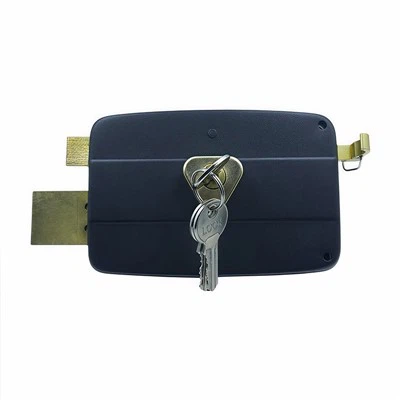
Hey there! As a supplier of self - locking doors, I've been getting a lot of questions lately about whether self - locking doors are suitable for old buildings. It's a hot topic, and I'm here to break it down for you.
First off, let's talk about what self - locking doors are. These are doors that automatically lock when they're closed. They're super convenient in modern settings, like office buildings or new homes. You don't have to worry about forgetting to lock the door behind you, which adds an extra layer of security. But when it comes to old buildings, things get a bit more complicated.
One of the main concerns with installing self - locking doors in old buildings is the historical and architectural integrity. Old buildings often have unique door frames, hinges, and styles that are part of their charm and historical value. A self - locking door system might require significant modifications to the existing door and frame. For example, some self - locking mechanisms need to be installed deep into the door or the frame, which could damage the original wood or masonry. If you're dealing with a heritage - listed building, you might even run into legal issues if you make unapproved alterations.
However, that doesn't mean it's a complete no - go. There are ways to install self - locking doors without causing too much damage. For instance, there are surface - mounted self - locking systems that can be attached to the outside of the door and frame. These are less invasive and can often be removed without leaving major marks. Some of these systems are also adjustable, so they can fit a variety of door sizes and shapes, which is great for old buildings where doors might not be perfectly standard.
Another aspect to consider is the functionality of the old building. If it's a residential building, self - locking doors can provide an added sense of security for the occupants. Elderly residents, in particular, might benefit from not having to worry about locking the door every time they leave. On the other hand, if it's a commercial building, like an old shop or a museum, self - locking doors can help protect valuable items inside. But you need to make sure that the locking mechanism is easy to use for employees, visitors, and emergency responders.
Let's talk about the types of self - locking doors and locks that could be suitable for old buildings. There are different options available depending on your needs. For smaller doors, like those in storage areas or closets, a Small Door Lock might be a good choice. These locks are compact and can be easily installed on the surface of the door. They're also relatively inexpensive, which is a plus if you're on a budget.
If you have a side door that leads to an alley or a less - used entrance, a Side Door Lock could be ideal. These locks are designed to provide a good level of security while still being easy to operate. They can be installed with minimal disruption to the existing door and frame.
For larger doors, like those on sheds or outbuildings, a Shed Lock is a great option. These locks are sturdy and can withstand a fair amount of force, which is important for protecting items stored in sheds.
Now, let's touch on the cost. Installing self - locking doors in an old building can be more expensive than in a new one. This is because of the additional work required to ensure that the installation is done without damaging the historical features. You might need to hire a professional who has experience working with old buildings. But in the long run, the added security and convenience can be worth the investment.
It's also important to think about the maintenance of self - locking doors in old buildings. Old doors might be more prone to warping or swelling due to changes in temperature and humidity. This can affect the performance of the self - locking mechanism. You'll need to regularly check and adjust the locks to make sure they're working properly. Some self - locking systems come with a warranty, which can give you peace of mind in case something goes wrong.
In conclusion, self - locking doors can be suitable for old buildings, but it depends on a few factors. You need to consider the historical and architectural value of the building, the functionality, and the ease of use. With the right type of self - locking system and a professional installation, you can enjoy the benefits of added security without sacrificing the charm of the old building.
If you're thinking about installing self - locking doors in your old building, I'd love to have a chat with you. We can discuss your specific needs, the type of building you have, and the best options for you. Whether it's a small residential building or a large commercial one, we've got the expertise to help you make the right decision. Don't hesitate to reach out if you have any questions or if you're ready to start the process.


References
- "Historical Building Preservation: A Practical Guide" by John Doe
- "Door Locks and Security Systems: A Comprehensive Overview" by Jane Smith
- Various industry reports on door installation in old buildings