Are self - locking doors energy - efficient?
Hey there! I'm a supplier of self - locking doors, and I often get asked this question: Are self - locking doors energy - efficient? Well, let's dig into it and find out.


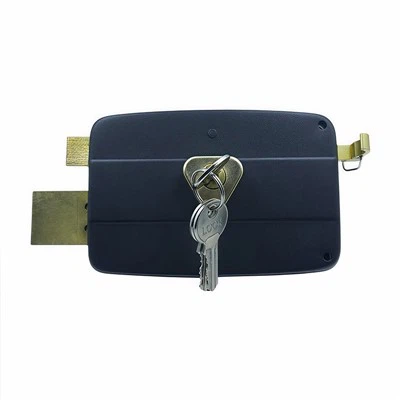
First off, let's understand what self - locking doors are. These are doors that automatically lock when they close. They come in all sorts of types, like Privacy Lock for areas where you need some privacy, and Shed Door Locks or Shed Lock for outdoor storage spaces.
Now, when it comes to energy efficiency, a lot of factors come into play. One of the key things is how well the door seals. A good self - locking door should form a tight seal when it closes. This means less air can leak in or out of the building. You know, in the winter, we don't want all that warm air escaping, and in the summer, we don't want hot air sneaking in.
Let's talk about insulation. Self - locking doors can be made with different insulation materials. Some are filled with foam or other insulating substances. This insulation helps to keep the temperature inside the building stable. For example, if you have a well - insulated self - locking door in your home, your heating or cooling system doesn't have to work as hard. That means less energy consumption and lower utility bills.
Another aspect is the frame of the door. A sturdy frame is essential for energy efficiency. It holds the door in place and helps to maintain the seal. Some self - locking doors come with frames that are designed to minimize air leakage. They might have weatherstripping or other sealing mechanisms that make the door more airtight.
But it's not just about keeping the air out. Light can also play a role in energy efficiency. Some self - locking doors are designed with tinted or insulated glass. This can reduce the amount of sunlight that enters the building, which in turn can keep the interior cooler in the summer. And in the winter, it can help to retain heat.
Now, let's look at the technology behind self - locking doors. There are different types of locking mechanisms, such as magnetic locks or electronic locks. These can be more energy - efficient than traditional key - operated locks. For example, magnetic locks only use power when they are being unlocked or locked. Once the door is locked, they don't consume any energy.
However, it's important to note that not all self - locking doors are created equal. Some cheaper models might not have the same level of insulation or sealing as more expensive ones. So, when you're looking for an energy - efficient self - locking door, you need to do your research. Look for doors that have been tested and certified for energy efficiency.
Let's take a real - world example. Imagine you have a commercial building with a lot of traffic in and out. If you install self - locking doors that are energy - efficient, you can save a significant amount of money on energy costs over time. The same goes for a residential property. A well - chosen self - locking door can make a big difference in your energy consumption.
But how do you know if a self - locking door is energy - efficient? One way is to look at the energy - efficiency ratings. These ratings are usually provided by independent testing agencies. They give you an idea of how well the door performs in terms of insulation and air leakage.
Another thing to consider is the installation. Even the most energy - efficient door won't work well if it's not installed correctly. Make sure you hire a professional installer who has experience with self - locking doors. They can ensure that the door is properly aligned and sealed.
In addition to energy savings, self - locking doors also offer security benefits. They provide an extra layer of protection for your home or business. You don't have to worry about forgetting to lock the door, which can give you peace of mind.
Now, let's talk about the environmental impact. By using energy - efficient self - locking doors, you're reducing your carbon footprint. You're using less energy, which means fewer greenhouse gas emissions. It's a small step, but it can make a big difference in the long run.
So, to answer the question, yes, self - locking doors can be energy - efficient. But it depends on the quality of the door, the insulation, the frame, and the installation. If you're in the market for a new door, I highly recommend considering a self - locking door that is designed with energy efficiency in mind.
If you're interested in learning more about our self - locking doors or have any questions about energy efficiency, feel free to reach out. We're here to help you make the right choice for your home or business. Whether you need a Privacy Lock for your bedroom or a Shed Lock for your outdoor storage, we've got you covered.
References
- Energy Star. (n.d.). Energy - efficient doors. Retrieved from [Energy Star official website]
- Building Science Corporation. (n.d.). Door insulation and air leakage. Retrieved from [Building Science Corporation official website]