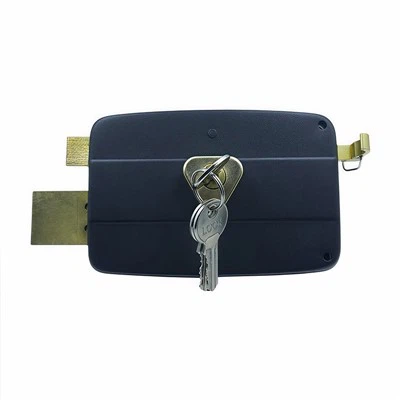
When it comes to securing hotels, the choice of locks is paramount. As a reputable hotel locks supplier, I understand the diverse needs of the hospitality industry and the importance of selecting the right type of lock for different applications. In this blog post, I will explore the various types of hotel locks available in the market, providing insights into their features, advantages, and ideal use cases.
Traditional Key Locks
Traditional key locks have been the standard in the hotel industry for decades. These locks use a physical key to grant access to a room. They are simple, reliable, and cost - effective. One of the main advantages of traditional key locks is their familiarity. Both hotel staff and guests are accustomed to using keys, which reduces the learning curve.
However, traditional key locks also have some drawbacks. Keys can be lost or stolen, which poses a security risk. If a key falls into the wrong hands, it can be used to access the room without the hotel's knowledge. Additionally, re - keying all the locks in a hotel when a key is lost or stolen can be a time - consuming and expensive process.
Magnetic Strip Locks
Magnetic strip locks are a more modern alternative to traditional key locks. These locks use cards with magnetic strips that store digital information. When the card is swiped through the lock's reader, the information on the magnetic strip is read, and if it is valid, the lock is unlocked.
Magnetic strip locks offer several advantages. They are more secure than traditional key locks because the cards can be easily deactivated if they are lost or stolen. This eliminates the need to re - key any locks. They also provide better record - keeping capabilities. Hotels can track when guests enter and leave their rooms, which can be useful for security and management purposes.
On the downside, magnetic strip locks are susceptible to interference. Magnetic fields from sources such as mobile phones or credit cards can corrupt the data on the magnetic strip, rendering the card useless. They also require maintenance of the card readers, as dirt and debris can accumulate and cause malfunctions.
RFID (Radio - Frequency Identification) Locks
RFID locks are the next step in hotel lock technology. These locks use RFID cards or key fobs to grant access. The RFID technology allows the lock to communicate wirelessly with the card or key fob, eliminating the need for swiping or inserting.
RFID locks offer high - level security. They use encryption technology to protect the data on the cards, making it extremely difficult to clone. They are also very convenient for guests. With an RFID key fob, guests can simply wave it near the lock to gain access, which is much faster and more user - friendly than swiping a card.
Moreover, RFID locks can integrate with other hotel systems, such as the access control system and the hotel management software. This allows for seamless integration of guest access and other hotel operations. However, the initial cost of implementing RFID locks can be relatively high, and the technology may require specialized training for hotel staff.


Keypad Locks
Keypad locks are another option for hotel rooms. These locks require guests to enter a unique code to gain access to their rooms. Keypad locks are highly secure because the codes can be easily changed, and there is no physical key or card that can be lost or stolen.
They are also very convenient for guests who may not want to carry a key or card. For example, guests who are going to the pool or the gym can simply remember their access code. Keypad locks are also suitable for hotel staff, as they can be given different codes with different access levels.
However, keypad locks have some limitations. Guests may forget their codes, which can lead to inconvenience and delays. Also, if a code is shared or guessed, it can compromise the security of the room.
Smart Locks
Smart locks are the latest innovation in hotel lock technology. These locks can be controlled remotely using a smartphone app or integrated with other smart home devices. Smart locks offer a high level of convenience for both guests and hotel staff.
Guests can use their smartphones to unlock their rooms, eliminating the need for keys or cards. They can also share access with other guests, such as family members or business partners, with just a few taps on their phones. Hotel staff can manage access to rooms in real - time, granting or revoking access as needed.
Smart locks also provide detailed access logs, which can enhance security. They can be integrated with the hotel's security system, allowing for immediate alerts in case of unauthorized access. However, smart locks rely on technology, and if there are connectivity issues or power outages, they may not function properly.
Rim Locks
Rim locks are a type of surface - mounted lock that can be used in hotels. They are easy to install and are available in different styles and finishes. There are several types of rim locks that can be suitable for hotel applications.
- Shed Lock: A Shed Lock is a type of rim lock that is known for its durability. It can be used in areas of the hotel where extra security is required, such as storage sheds or utility rooms. These locks are typically made of strong materials and are designed to withstand harsh conditions.
- Small Door Lock: Small Door Lock is suitable for smaller doors in the hotel, such as closet doors or pantry doors. They are compact in size but still provide a reasonable level of security.
- Push Door Lock: Push Door Lock is designed for doors that are opened by pushing. They are convenient and can be used in areas where a quick and easy access is needed, such as common areas or service doors.
Choosing the Right Hotel Lock
When choosing a hotel lock, several factors need to be considered. Security is the top priority. The lock should provide a high level of protection against unauthorized access. Cost is also an important consideration. Hotels need to balance the initial investment in the locks with the long - term benefits.
Convenience for guests and staff is another crucial factor. The lock should be easy to use and not cause any inconvenience during the guest's stay. Compatibility with other hotel systems, such as the access control system and the hotel management software, is also important for seamless operation.
Contact for Purchase and Negotiation
If you are in the market for high - quality hotel locks, I invite you to contact me. As a trusted hotel locks supplier, I can provide you with detailed information about the different types of locks, their features, and their suitability for your hotel. We can also discuss pricing, installation, and after - sales support. Whether you are looking to upgrade your existing locks or are building a new hotel, I am here to help you make the right choice.
References
- Smith, J. (2022). "Advances in Hotel Lock Technology". Journal of Hospitality Security.
- Brown, A. (2021). "Comparative Analysis of Different Types of Hotel Locks". International Journal of Hotel Management.