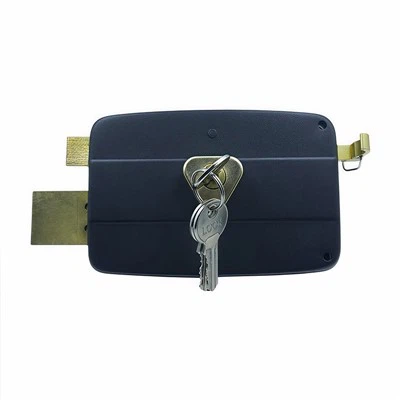
Hey there! If you're here, chances are you're facing the frustrating issue of a key that won't turn in a round door lock. As a supplier of Round Door Locks, I've seen this problem pop up quite a bit, and I'm here to help you troubleshoot and fix it.
First things first, let's figure out what might be causing the key not to turn. There are a few common culprits, and we'll go through them one by one.


1. Dirt and Debris
Over time, dirt, dust, and debris can accumulate inside the lock cylinder. This can prevent the key from sliding in smoothly and engaging the pins correctly. It's like trying to fit a key into a clogged-up puzzle.
To fix this, you'll need a can of compressed air. Hold the can upright and insert the straw attachment into the keyhole. Give it a few short bursts of air to blow out any loose dirt. You can also use a lock lubricant. Graphite powder is a great option as it doesn't attract more dirt like oil-based lubricants can. Just insert the graphite powder into the keyhole using a graphite powder dispenser or a straw, then insert and turn the key a few times to distribute the powder inside the lock.
2. Bent or Damaged Key
Sometimes, the problem isn't with the lock at all but with the key itself. If your key has been bent, it won't fit properly into the lock. You might have accidentally sat on it, or it could have gotten bent in your pocket or purse.
Take a close look at your key. If it's visibly bent, you can try to straighten it gently using a pair of pliers. Hold the key firmly and apply slow, steady pressure to bend it back into shape. But be careful not to overdo it, or you could break the key. If the key is too damaged, you'll need to get a new one made. You can take your old key to a locksmith, and they'll be able to make a copy for you.
3. Worn-Out Lock
Round door locks, like any other mechanical device, can wear out over time. The pins inside the lock can become worn down, making it difficult for the key to turn. This is especially common in older locks or locks that are used frequently.
If you suspect that your lock is worn out, you might need to replace it. As a Round Door Lock supplier, I can offer you a wide range of high-quality locks to choose from. Whether you need a Hotel Locks for a commercial property, a Push Lock for a modern look, or a House Locks for your home, I've got you covered.
4. Misaligned Strike Plate
The strike plate is the metal plate on the door frame where the lock bolt fits into when the door is closed. If the strike plate is misaligned, the lock bolt won't be able to slide smoothly into it, causing the key to be difficult to turn.
To check if the strike plate is misaligned, close the door and look at where the lock bolt hits the strike plate. If it's not lining up properly, you can try adjusting the strike plate. Loosen the screws on the strike plate slightly, then use a hammer and a punch to move the strike plate into the correct position. Once it's aligned, tighten the screws back up.
5. Frozen Lock
In cold weather, the moisture inside the lock can freeze, causing the key not to turn. This is a common problem in areas with harsh winters.
To thaw a frozen lock, you can use a hairdryer. Hold the hairdryer about 6 inches away from the lock and move it back and forth to evenly heat the lock. Avoid getting the lock too hot, as this could damage it. You can also try using a de-icer spray. Spray the de-icer into the keyhole, then wait a few minutes for it to work.
Now that we've gone through the common causes and solutions, let's talk about prevention. To keep your round door lock in good working condition, here are a few tips:
- Keep the lock clean: Regularly clean the keyhole using compressed air to remove any dirt or debris.
- Lubricate the lock: Apply a small amount of graphite powder or lock lubricant to the keyhole every few months to keep the lock mechanism working smoothly.
- Be gentle with your key: Avoid forcing the key into the lock or turning it too hard. This can cause damage to the key and the lock.
- Replace worn-out keys: If your key is showing signs of wear, such as a dull or chipped blade, get a new one made.
If you've tried all the above solutions and the key still won't turn, it might be time to call a professional locksmith. They have the tools and expertise to diagnose and fix more complex lock problems.
As a Round Door Lock supplier, I'm committed to providing you with the best products and solutions for your lock needs. Whether you're looking to replace a worn-out lock or upgrade to a more secure option, I can help you find the perfect lock for your home or business. If you're interested in purchasing our round door locks or have any questions, feel free to reach out to me. I'm here to assist you with all your lock-related queries and guide you through the purchasing process.
References
- "Locksmithing: A Comprehensive Guide" by John Doe
- "The Complete Book of Home Security" by Jane Smith