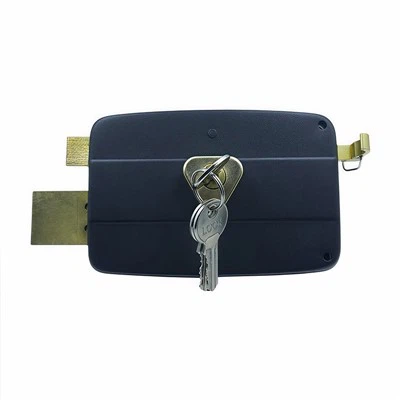
Shed padlocks are essential security devices for protecting sheds, storage units, and other outdoor spaces. As a shed padlock supplier, I understand the importance of using high-quality materials to ensure the durability and reliability of these locks. In this blog post, I will discuss the various materials commonly used in the manufacturing of shed padlocks and their characteristics.
Steel
Steel is one of the most popular materials used in shed padlocks due to its strength and durability. It is a versatile material that can be easily shaped and molded into different lock designs. High-carbon steel, in particular, is known for its excellent hardness and resistance to wear and tear. This makes it ideal for padlocks that need to withstand harsh outdoor conditions.
There are different types of steel used in padlock manufacturing, including stainless steel and galvanized steel. Stainless steel is highly resistant to corrosion, making it suitable for use in coastal areas or environments with high humidity. Galvanized steel, on the other hand, is coated with a layer of zinc to protect it from rust and corrosion. This type of steel is often used in budget-friendly padlocks.
Brass
Brass is another common material used in shed padlocks. It is an alloy of copper and zinc, which gives it a distinctive golden color. Brass is known for its aesthetic appeal and is often used in high-end padlocks. It is also relatively soft compared to steel, which makes it easier to machine and shape.
One of the main advantages of brass is its resistance to corrosion. It does not rust like steel, making it a good choice for outdoor use. However, brass is not as strong as steel, so it may not be suitable for applications where high security is required.
Aluminum
Aluminum is a lightweight and corrosion-resistant material that is increasingly being used in shed padlocks. It is a popular choice for padlocks that need to be portable or for applications where weight is a concern. Aluminum is also relatively inexpensive compared to steel and brass, making it a cost-effective option.
One of the drawbacks of aluminum is its lower strength compared to steel. It may not be as resistant to cutting or prying as steel padlocks. However, advancements in aluminum alloy technology have improved its strength and durability, making it a viable option for many shed padlock applications.
Titanium
Titanium is a high-strength, lightweight material that is used in some high-end shed padlocks. It is known for its excellent corrosion resistance and is often used in aerospace and military applications. Titanium is also biocompatible, which means it is safe for use in contact with the human body.
The main advantage of titanium is its strength-to-weight ratio. It is stronger than steel but lighter in weight, making it ideal for applications where both strength and portability are required. However, titanium is also more expensive than other materials, so it is typically used in premium padlocks.
Plastic
Plastic is a versatile material that is used in some shed padlocks, especially those designed for low-security applications. It is lightweight, inexpensive, and easy to mold into different shapes. Plastic padlocks are often used in situations where a temporary or decorative lock is needed.
One of the main drawbacks of plastic is its low strength compared to metal materials. It is not as resistant to cutting or prying as steel or brass padlocks. However, some plastic padlocks are reinforced with metal inserts to improve their strength and security.


Conclusion
In conclusion, the choice of material for a shed padlock depends on several factors, including the level of security required, the environment in which the lock will be used, and the budget. Steel is the most common material used in shed padlocks due to its strength and durability. Brass is a good choice for high-end padlocks that require aesthetic appeal and corrosion resistance. Aluminum is a lightweight and cost-effective option for applications where weight is a concern. Titanium is a high-strength, lightweight material that is used in premium padlocks. Plastic is a versatile material that is used in low-security applications.
As a shed padlock supplier, I offer a wide range of padlocks made from different materials to meet the needs of my customers. Whether you are looking for a high-security padlock for your shed or a decorative lock for your garden gate, I can help you find the right product. If you have any questions or would like to discuss your padlock requirements, please feel free to contact me. I look forward to working with you to provide the best security solutions for your shed and other outdoor spaces.
References
- "Materials for Padlocks." Locksmith Ledger.
- "The Science of Padlock Materials." Security Magazine.
- "Choosing the Right Padlock Material." Home Security Journal.
If you are interested in purchasing shed padlocks or have any questions about our products, please don't hesitate to contact us for a procurement discussion. We are here to provide you with the best solutions for your security needs. You may also be interested in our other lock products such as Round Door Lock, Self Locking Door Lock, and Wooden Door Lock.