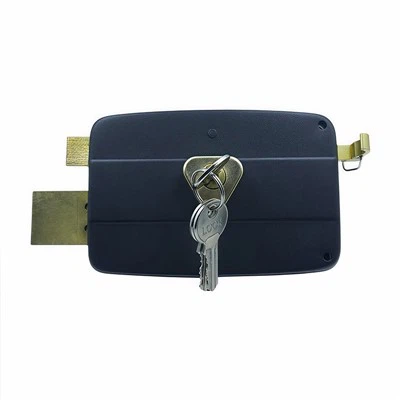
Push locks are a common type of door lock that you'll find in a wide range of settings, from residential homes to commercial buildings. As a push lock supplier, I've got a lot of knowledge about these handy locks, especially when it comes to the materials they're made of. So, let's dive into the different materials used in push locks and what makes each one unique.
Metal Materials
Steel
Steel is one of the most popular materials for push locks. It's known for its strength and durability. Steel push locks can withstand a fair amount of wear and tear, making them a great choice for high - traffic areas. Whether it's a busy office building or a frequently used entrance in a school, steel push locks hold up well.
The high carbon content in some steels gives them excellent hardness, which means they're resistant to scratches and dents. This is important because a damaged lock can compromise security. Also, steel can be treated with various coatings to prevent rust. For example, galvanized steel has a zinc coating that acts as a barrier against moisture, extending the lock's lifespan. You can check out Push Lock options made of steel on our website.
Brass
Brass is another classic material for push locks. It has a beautiful, warm golden color that adds an aesthetic touch to any door. But it's not just about looks; brass is also highly corrosion - resistant. This makes it a great option for outdoor doors or areas with high humidity, like bathrooms or kitchens.


Brass is relatively easy to machine, which means manufacturers can create intricate designs and details on the lock. This allows for a wide range of styles, from traditional to modern. Additionally, brass has good electrical conductivity, which can be useful in some electronic push lock systems. If you're looking for a stylish and reliable push lock, brass might be the way to go. You can explore our Universal Door Lock collection, which includes some great brass options.
Aluminum
Aluminum is a lightweight yet strong material used in push locks. It's a popular choice for applications where weight is a concern, such as on lightweight doors or in situations where easy installation is required. Aluminum push locks are also resistant to corrosion, similar to brass.
One of the advantages of aluminum is its low cost compared to steel and brass. This makes it an affordable option for budget - conscious customers. However, it's not as hard as steel, so it may not be the best choice for areas with extremely high security requirements. But for residential doors or low - traffic commercial areas, aluminum push locks work just fine.
Plastic Materials
Polycarbonate
Polycarbonate is a type of plastic that's known for its high impact resistance. It can withstand a lot of force without cracking or breaking, which makes it suitable for push locks. Polycarbonate push locks are often used in applications where there's a risk of accidental impact, such as in schools or hospitals.
This material is also transparent, which can be an advantage in some cases. For example, in some electronic push lock systems, the transparency allows for easy viewing of internal components for maintenance or troubleshooting. Polycarbonate is also lightweight, which can be beneficial for door installation.
ABS Plastic
ABS (Acrylonitrile Butadiene Styrene) plastic is another commonly used material in push locks. It's a tough and rigid plastic that offers good resistance to chemicals and heat. ABS plastic is relatively inexpensive, making it a cost - effective option for mass - produced push locks.
It can be molded into various shapes and sizes, allowing for a wide range of design possibilities. ABS plastic push locks are often used in residential applications, where they provide a balance between cost and functionality.
Composite Materials
Fiberglass - Reinforced Plastic (FRP)
FRP is a composite material made of a plastic matrix reinforced with fiberglass. It combines the strength of fiberglass with the flexibility of plastic. FRP push locks are lightweight, corrosion - resistant, and have good mechanical properties.
They're often used in harsh environments, such as in marine applications or industrial settings where exposure to chemicals and moisture is common. FRP can be designed to have high strength - to - weight ratios, making it suitable for heavy - duty push lock applications.
Other Materials
Wood
Although not as common as metal or plastic, wood can also be used in push locks, especially in more rustic or traditional settings. Wood push locks add a natural and warm look to the door. However, wood is more susceptible to damage from moisture and pests compared to other materials.
It needs to be properly treated and maintained to ensure its longevity. Wood push locks are often used in combination with other materials, such as metal components for the locking mechanism, to provide both aesthetic appeal and functionality.
Choosing the Right Material for Your Push Lock
When choosing a push lock, the material is an important factor to consider. If you're looking for maximum security and durability, steel or brass might be the best options. For a more budget - friendly and lightweight solution, aluminum, plastic, or composite materials could be suitable.
The environment where the lock will be installed also plays a role. Outdoor doors or areas with high humidity require materials that are corrosion - resistant, like brass, aluminum, or some plastics. On the other hand, if you're looking for a lock with a unique aesthetic, wood or brass could be the way to go.
We offer a wide range of push locks made from different materials to meet your specific needs. Whether you're a homeowner looking to upgrade your door security or a contractor working on a commercial project, we've got you covered. You can also check out our Hotel Locks section for specialized push lock options.
If you're interested in purchasing push locks or have any questions about the materials and their suitability for your project, don't hesitate to get in touch. We're here to help you make the right choice and ensure you get a high - quality push lock that meets your requirements.
References
- "Materials Science and Engineering: An Introduction" by William D. Callister Jr. and David G. Rethwisch
- "Handbook of Locksmithing" by Jeff Daniels