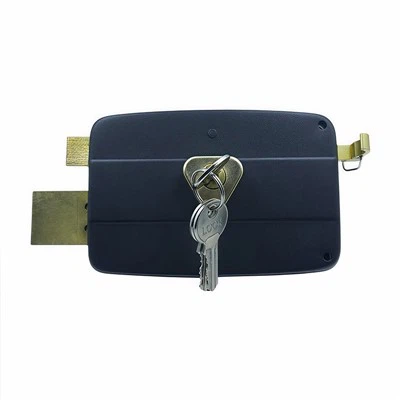
Hey there! As a supplier of quarter turn locks, I often get asked about the tools needed to install these handy locks. In this blog post, I'll walk you through the essential tools and give you some tips on the installation process.
Why Quarter Turn Locks?
Before we dive into the tools, let me quickly talk about why quarter turn locks are so popular. These locks are super easy to use - just give them a quarter turn, and you're good to go. They're great for a variety of applications, like cabinets, storerooms, and even some types of doors. For example, if you're looking for a Storeroom Lock, a quarter turn lock can be a perfect choice. They're also known for their durability and reliability, which is why many people trust them to keep their belongings safe.
The Must - Have Tools
1. Screwdriver
A screwdriver is probably the most basic and essential tool for installing a quarter turn lock. You'll need it to remove the old lock (if there is one) and to attach the new quarter turn lock to the door or cabinet. There are different types of screwdrivers, but for most quarter turn locks, a Phillips - head or flat - head screwdriver will do the job. Make sure to choose the right size that fits the screws of your lock. Using the wrong size can strip the screws, making the installation process a real pain.
2. Drill
In some cases, you might need a drill. This is especially true if you're installing the lock on a material that doesn't have pre - drilled holes. For example, if you're putting a quarter turn lock on a thick wooden door, you may need to drill holes for the screws. A power drill is much faster and more efficient than a manual drill. When using a drill, make sure to use the right drill bit size. The size will depend on the diameter of the screws you're using. You don't want the holes to be too big or too small, or the lock won't be properly secured.
3. Measuring Tape
Accuracy is key when installing a quarter turn lock. A measuring tape helps you ensure that the lock is placed in the right position. You need to measure the distance from the edge of the door or cabinet to the center of the lock. This measurement is crucial for the lock to function properly. For example, if you're installing a Self Locking Door quarter turn lock, the correct placement will ensure that the door locks and unlocks smoothly. Measure twice, cut once - that old saying definitely applies here!
4. Pencil
A pencil is a simple but important tool. You'll use it to mark the spots where you need to drill holes or place the screws. It's a good idea to make clear and visible marks so that you don't make any mistakes during the installation process. You can use a regular graphite pencil, and it's easy to erase the marks if you need to make any adjustments.


5. Allen Wrench
Some quarter turn locks come with set screws that require an Allen wrench for tightening. An Allen wrench, also known as a hex key, is a small L - shaped tool. The size of the Allen wrench you need will depend on the lock you're installing. Make sure to check the lock's instructions to see if it requires an Allen wrench and what size it is.
Optional Tools
1. File
A file can be useful if the holes you've drilled are a bit rough or if the edges of the lock need to be smoothed out. It can help you make small adjustments to ensure a perfect fit. You can use a metal file if your lock is made of metal or a wood file if you're working on a wooden surface.
2. Level
If you want to make sure that your quarter turn lock is installed perfectly straight, a level can come in handy. This is especially important for locks on doors, as a crooked lock can cause problems with the locking mechanism. A small bubble level is easy to use and can make a big difference in the appearance and functionality of the lock.
The Installation Process
Now that you know what tools you need, let's briefly go over the installation process.
First, measure and mark the position where you want to install the lock using the measuring tape and pencil. If you need to drill holes, use the drill with the appropriate drill bit. Make sure the holes are clean and free of debris.
Next, take your quarter turn lock and align it with the marked holes. Use the screwdriver or Allen wrench (if required) to attach the lock to the door or cabinet. Tighten the screws firmly, but don't over - tighten them, as this can damage the lock or the surface you're installing it on.
If you're installing a lock on a door, test the lock to make sure it works properly. Open and close the door a few times to ensure that the lock engages and disengages smoothly.
Other Applications
Quarter turn locks aren't just for storerooms and self - locking doors. They're also commonly used in Hotel Locks. In a hotel setting, these locks need to be reliable and easy to use for guests. The same tools we've discussed are used for installing hotel quarter turn locks, but the installation process might be a bit more precise due to the high - traffic nature of hotel rooms.
Conclusion
Installing a quarter turn lock doesn't have to be a complicated task. With the right tools and a bit of patience, you can get the job done quickly and easily. Whether you're a DIY enthusiast or a professional installer, having these tools in your toolkit will make the installation process a breeze.
If you're in the market for quarter turn locks or have any questions about the installation process, feel free to reach out. We're here to help you find the perfect lock for your needs and provide you with all the support you need. Let's have a chat about your requirements, and we can start a great partnership in ensuring your spaces are secure.
References
- General knowledge of lock installation and tools from years of experience in the quarter turn lock supply industry.