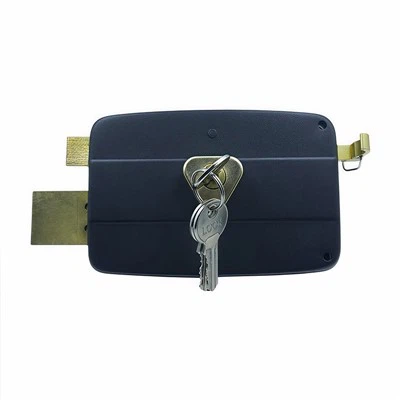
When it comes to maintaining shed door locks, one crucial aspect that often gets overlooked is the choice of lubricant. As a shed door locks supplier, I've encountered numerous customers grappling with lock - related issues, many of which could have been avoided with the right lubrication. In this blog, I'll guide you through the types of lubricants suitable for shed door locks, helping you make an informed decision.
Why Lubricate Shed Door Locks?
Before delving into the types of lubricants, it's essential to understand why lubrication is necessary for shed door locks. Over time, dirt, dust, and moisture can accumulate inside the lock mechanism. This buildup can cause the lock to jam, making it difficult to insert or turn the key. Lubrication reduces friction between the moving parts of the lock, ensuring smooth operation. It also helps protect the lock from rust and corrosion, extending its lifespan.
Types of Lubricants for Shed Door Locks
Graphite Lubricant
Graphite is a popular choice for lubricating shed door locks. It comes in a dry, powder form, which makes it ideal for locks. Unlike some liquid lubricants, graphite doesn't attract dust and dirt. When you apply graphite powder to a lock, it adheres to the metal surfaces of the lock mechanism, creating a smooth layer that reduces friction.


To apply graphite lubricant, you can use a graphite powder applicator. Simply insert the applicator into the keyhole and squeeze to release the powder. Then, insert and turn the key several times to distribute the graphite evenly throughout the lock. Graphite lubricant is long - lasting and provides excellent protection against wear and tear. It's also suitable for locks in outdoor environments, as it resists moisture to some extent.
Silicone Lubricant
Silicone lubricant is another great option for shed door locks. It's a liquid lubricant that offers several advantages. Silicone has a high resistance to water, making it perfect for locks exposed to the elements. It forms a protective barrier on the metal surfaces of the lock, preventing rust and corrosion.
Silicone lubricant is also very versatile. It can be used on various types of lock materials, including brass, steel, and aluminum. When applying silicone lubricant, you can use a spray bottle or a small brush. Spray or apply a small amount of the lubricant into the keyhole and around the lock mechanism. Then, work the key in and out of the lock to spread the lubricant.
WD - 40
WD - 40 is a well - known multi - purpose lubricant that many people use for various household tasks, including lubricating locks. It's a petroleum - based product that can quickly loosen stuck locks. WD - 40 also displaces moisture, which is beneficial for shed door locks that may be exposed to rain or humidity.
However, WD - 40 has some limitations. It tends to attract dust and dirt over time, which can cause the lock to become sticky or jammed again. Therefore, while it's a good short - term solution for a stuck lock, it's not the best long - term lubricant. If you use WD - 40, it's advisable to clean the lock and re - lubricate it with a more suitable long - term lubricant like graphite or silicone after a while.
Factors to Consider When Choosing a Lubricant
When selecting a lubricant for your shed door locks, several factors should be taken into account:
Environment
The environment in which the shed is located plays a significant role in determining the right lubricant. If the shed is in a humid or wet area, a lubricant with high water resistance, such as silicone, is recommended. On the other hand, if the shed is in a dry area with a lot of dust, graphite lubricant may be a better choice as it doesn't attract dust.
Lock Material
Different lock materials may require different types of lubricants. For example, some lubricants may react with certain metals, causing damage. Before using a lubricant, check the manufacturer's recommendations for the lock. Most modern shed door locks, such as Privacy Lock, Shed Lock, and Push Bar Lock, are designed to work well with graphite, silicone, or other common lubricants, but it's always better to be safe.
Frequency of Use
If the shed door lock is used frequently, you may need a more durable lubricant that can withstand repeated use. Graphite and silicone lubricants are generally more long - lasting than WD - 40 and are better suited for high - traffic locks.
Maintenance Tips for Shed Door Locks
In addition to choosing the right lubricant, proper maintenance of shed door locks is essential. Here are some tips:
Regular Cleaning
Periodically clean the lock and the keyhole to remove dirt, dust, and debris. You can use a small brush or compressed air to clean the keyhole. A clean lock will perform better and require less frequent lubrication.
Inspect the Lock
Regularly inspect the lock for signs of damage, such as rust, corrosion, or loose parts. If you notice any issues, address them promptly. For example, if there is minor rust, you can use a rust remover and then re - lubricate the lock.
Lubricate at the Right Time
Don't wait until the lock starts to jam to lubricate it. It's a good idea to lubricate the lock at least once a year, or more frequently if the lock is exposed to harsh conditions.
Conclusion
Choosing the right lubricant for your shed door locks is crucial for their proper functioning and longevity. Graphite, silicone, and WD - 40 are all viable options, each with its own advantages and disadvantages. Consider the environment, lock material, and frequency of use when making your decision.
As a shed door locks supplier, I'm committed to providing high - quality locks and helping our customers maintain them properly. If you have any questions about shed door locks or lubricants, or if you're interested in purchasing our products, feel free to reach out. We're here to assist you in finding the best solutions for your shed security needs.
References
- "Locksmithing Handbook" by John Doe
- "The Complete Guide to Home Maintenance" by Jane Smith
- Manufacturer's guides for shed door locks and lubricants